

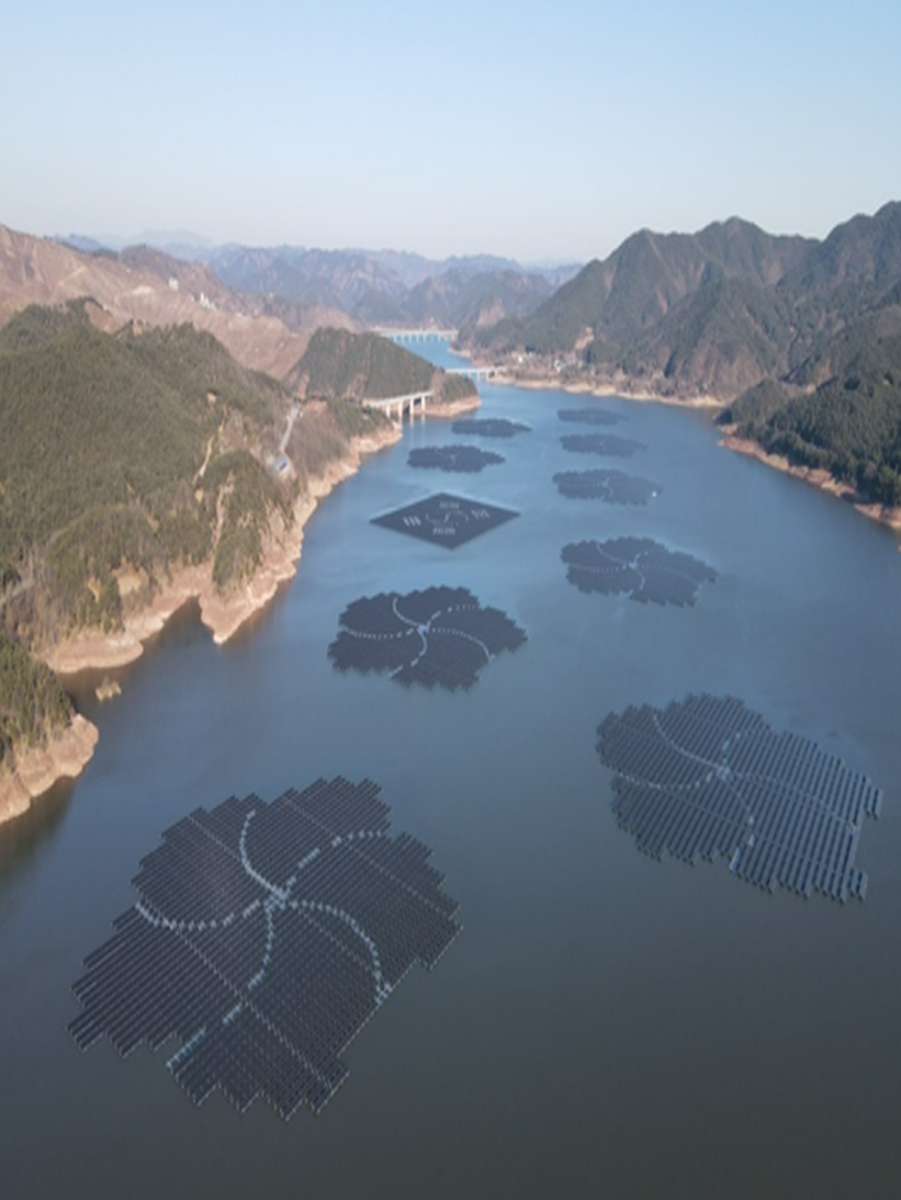
The Norwegian classification society DNV has published two new guidelines covering the structural design of floats for floating solar systems and their mooring and station keeping systems.
DNV has released two new guidelines regarding floating solar systems. The independent energy expert says the new documents aim to improve the safety, reliability and long-term performance of such systems amid the rapid global growth and expansion of renewable energy sources.
DNV-ST-C108 includes the structural design of floats for floating PV systems. It defines technical requirements for the structural design and qualification of floating PV float structures and includes a design approach that takes into account the potential consequences of float failure.
The standard includes requirements related to safety classification, design basis, material qualification, structural design, testing and corrosion protection, with an emphasis on non-metallic materials and degradation due to solar radiation.
DNV-ST-E309 covers principles and methodologies for the design of mooring and station keeping systems for floating PV.
The standard provides guidance on design loads, load combinations and analysis procedures, in addition to details on system configurations to reduce the risk of station management system failures and an associated risk assessment.
“Floating solar is evolving from niche applications to large-scale infrastructure,” said Ditlev Engel, CEO, Energy Systems at DNV. “These new standards are designed to help the industry manage risk, improve reliability and enable innovation, while maintaining appropriate safety margins.”
DNV’s latest update adds that the two new standards are designed to complement the recommended practice guidelines for solar PV systems. first released in 2021. The company says an update to the original guidance will be released in June.
According to an analysis by Wood Mackenzie, global floating solar capacity could increase 77 GW by 2033 led by deployments in India, China and Indonesia.
This content is copyrighted and may not be reused. If you would like to collaborate with us and reuse some of our content, please contact: editors@pv-magazine.com.
