

Credit: fluency
Environmental and consumer advocates are asking the Maryland Public Service Commission (PSC) to lower Marylanders’ electric bills by quickly acquiring new, low-cost clean energy and storage, as allowed by the New Generation Energy Actwhich passed the Legislature with bipartisan support and was signed into law by Governor Wes Moore in April.
The Maryland Chapter of the Sierra Club, the Center for Progressive Reform, Chesapeake Climate Action Network, Earthjustice, Elders Climate Action Maryland, Environment Maryland Research and Policy Center, Maryland League of Conservation Voters and Maryland PIRG Foundation sent a letter encouraging the PSC to take swift action to acquire storage and prioritize storage associated with solar projects.
“The Next Generation Energy Act wisely requires the state to expand energy storage capacity and build out renewable energy sources, and we encourage the Legislature, Governor Moore and the Maryland Public Service Commission to take swift action to deploy clean energy to bring down rising electricity prices,” said Josh Tulkin, director of the Maryland Chapter of the Sierra Club.
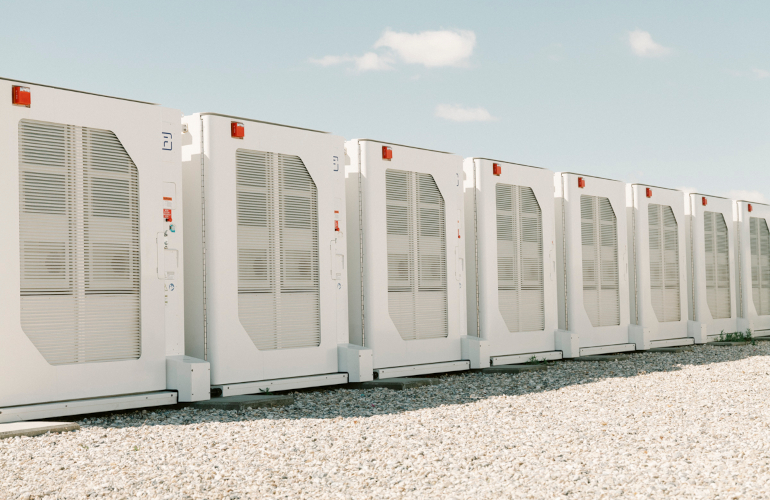
Energy storage captures energy produced in excess of the immediate needs of the grid for later use. It helps utilities meet peak demand and can potentially replace expensive and polluting ‘peaker plants’. When combined with solar and other clean energy, energy storage allows the electric grid to maximize clean energy potential and reduce pollution from fossil fuel power plants.
The Next Generation Energy Act requires the PSC to submit proposals for up to 1,600 MW of energy storage capacity, with an initial deadline for proposals of January 1, 2026. By comparison, the Brandon Shores coal-fired power plant outside Baltimore has a generating capacity of 1,289 MW.
By approving clean energy and storage projects before the January deadline, Maryland can take advantage of expiring federal tax credits and help lower electricity prices. In light of the expiring tax credits, Colorado, Connecticut, Maine And Oregon have moved to expedite similar processes, and Maryland advocates are calling on the state to follow suit.
“Combining battery storage with solar power is a win-win for energy customers and the planet,” said Brittany Baker, director of the Chesapeake Climate Action Network in Maryland. “This technology is the best way to move forward in the clean energy transition and reduce peak loads on the electricity grid.”
News release from Clean Energy For Maryland
