

German researchers say shared use models and digital brokerage could increase the use and profitability of EV charging stations in supermarkets by up to 255%.
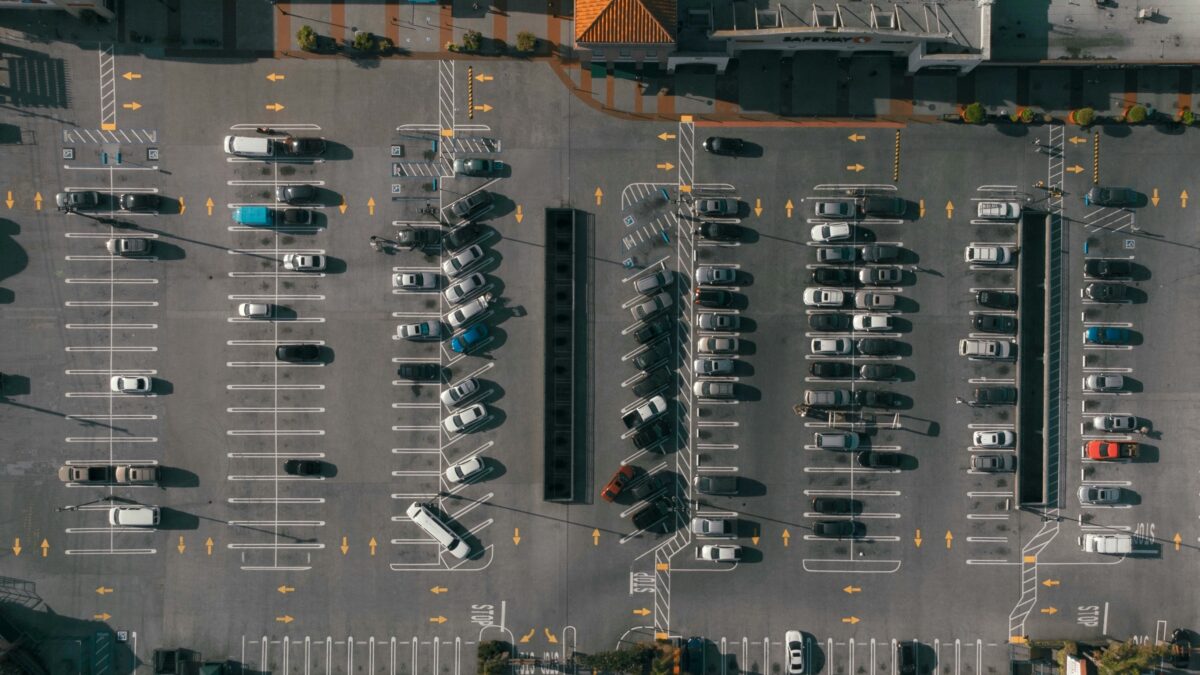
Supermarket parking lots are becoming important locations for charging infrastructure in urban areas. A recent study by the Reiner Lemoine Institute found that supermarket charging stations could reduce demand for public charging points in Berlin by up to 17%, provided they are used more efficiently – an area where large gaps remain.
By 2045, around 1.4 million electric cars and light commercial vehicles are expected to be on the roads of the German capital. To meet that demand, approximately 330,000 charging points are needed, roughly ten times more than are currently available. Project calculations show that most of this demand will arise in non-public areas, including supermarket car parks.
Better use of existing chargers in such locations could ease pressure on public infrastructure, which often faces long approval and planning delays.
The ‘Retail4Multi-Use’ project, led by researchers from the Reiner Lemoine Institute and the German Aerospace Center, investigated how the existing infrastructure could be optimized. The research shows that shared use with predictable user groups – such as taxi companies, logistics companies and car sharing companies – can make a significant difference.
The researchers concluded that multifunctional concepts can significantly improve the economic efficiency of existing charging networks, with model calculations indicating gains of up to 255%. A special matching platform is being developed to connect charging point owners with potential users.
A pilot project has already been started in Berlin, where Berliner Wasserbetriebe and energy supplier Vattenfall share the charging infrastructure in the parking lot of a Netto supermarket.
“Some colleagues, for example from the laboratory or from measurement, often make long journeys through the city,” says Nils Brätsch from the technical service and fleet management department of Berliner Wasserbetriebe. “The multi-use concept allows us to quickly charge near workplaces, saving travel time to the depot – an approach that can also be transferred to other companies.”
The German Federal Ministry of Digital Affairs and Transport supported the Retail4Multi-Use project within the framework of the financing guidelines for electromobility.
This content is copyrighted and may not be reused. If you would like to collaborate with us and reuse some of our content, please contact: editors@pv-magazine.com.
