

The One Big Beautiful Bill Act (OBBBA) established new rules for which types of sun products qualify for certain tax credits. The Foreign Entity of Concern (FEOC) rule denies the federal investment tax credit for projects that use too many Chinese components and prevents U.S.-made products that use too many Chinese components from accessing Sec. 45X credits. It is a complicated task for the solar panel market, where it is almost impossible to avoid the use of a Chinese component in the final product.

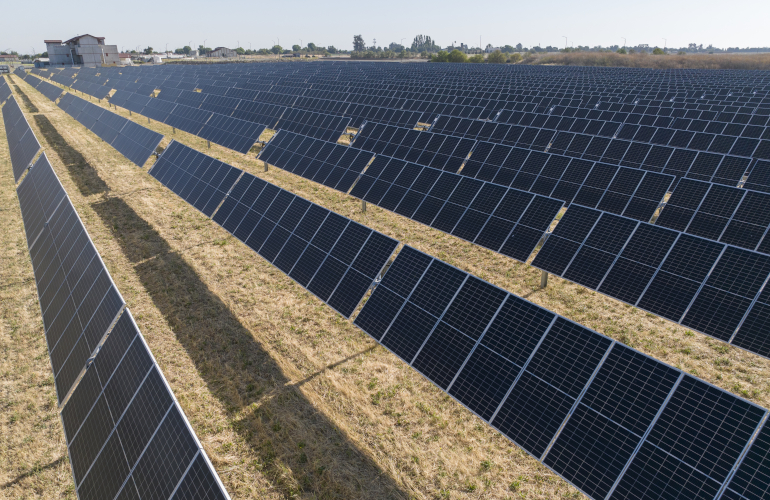
Credit: ForeFront Power
The FEOC rule also denies tax benefits to companies that have Chinese investments or are subject to Chinese technology licenses. The market is awaiting the final FEOC statement from the Treasury Department (now expected sometime in 2026), but since HR1 passed there has been a scramble to get supply chains and finances in order.
Chinese-influenced companies with U.S. factories have sold or changed ownership of their operations to meet perceived FEOC requirements. Trina Solar sold its solar panel assembly plant in Dallas to T1 Energy; JA Solar sold its Phoenix solar panel factory to Corning; and Canadian Solar established a new US division that will own the solar panel and battery businesses relevant to the US market. Roth Capital Partners said that several contacts in Washington, DC have stated that “the government knows who the FEOCs are and that no amount of restructuring, ownership changes or legal maneuvering is likely to work if the substantial portion of the business is in China and the IP used is Chinese.” [or] the Chinese company has effective control.”
