
Close Menu
  • News
  • Industry
  • Solar Panels
  • Commercial
  • Residential
  • Finance
  • Technology
  • Carbon Credit
  • More
    • Policy
    • Energy Storage
    • Utility
    • Cummunity
What's Hot

Mitsubishi Electric Trane announces new heat pump line for hydronic heating – SPE

March 6, 2026

Origis is developing a 413 MW solar portfolio in West Texas

March 6, 2026

New Jersey expands state community solar program by 3 GW

March 6, 2026
Facebook X (Twitter) Instagram
Solar Energy News
Friday, March 6
  • News
  • Industry
  • Solar Panels
  • Commercial
  • Residential
  • Finance
  • Technology
  • Carbon Credit
  • More
    • Policy
    • Energy Storage
    • Utility
    • Cummunity
Solar Energy News
Home - Technology - Fire risks in industrial solar systems on the roof due to poor installation – PV Magazine International
Technology

Fire risks in industrial solar systems on the roof due to poor installation – PV Magazine International

solarenergyBy solarenergyApril 16, 2025No Comments3 Mins Read
Facebook Twitter Pinterest LinkedIn Tumblr Email
Share
Facebook Twitter LinkedIn Pinterest Email

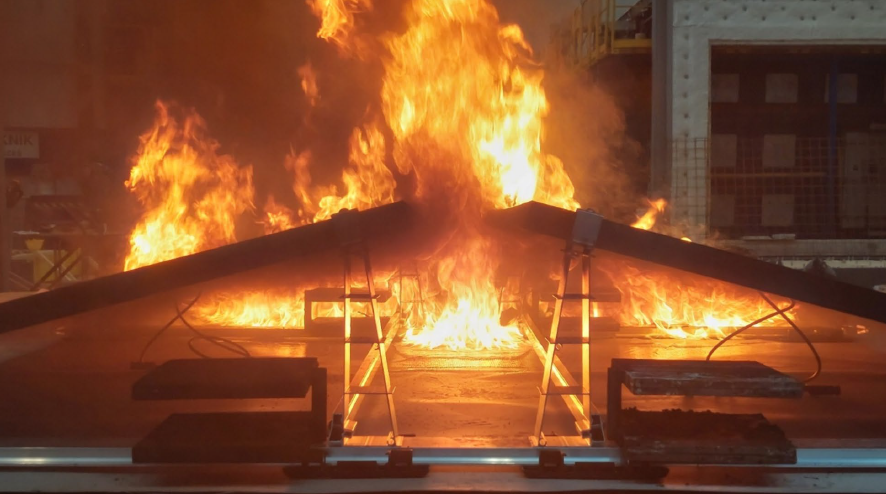
Clean Energy Associates (CEA) has inspected more than 600 industrial PV systems and has found widespread safety risks, largely due to poor installation practices, but many problems are easy to recognize and repair.

April 16, 2025
Pilar Sánchez Molina

While the adoption on the roof on the industrial sector is being accelerated, CEA has linked an increase in fire -fighting with poor installation practices. After inspecting more than 600 commercial PV systems, CEA “found a large number of considerable risks to plant safety, which can also lead to high costs for the owner.”

Most safety problems arise from an incorrect assembly, with much easily identifiable and corrected if tackled early, according to Javier Mota, senior manager of engineering services at CEA, and Carlos Acinas, project manager of Engineering. They said that wiring and electrical connections – such as poorly assembled connectors or loose terminals – are the leading fire starters, although defective inverters, broken PV cells, dirt structure, overheating and short circuit also contribute.

“The most common electrical risks are short circuit, defective connections or poorly assembled connectors,” Mota said. “The most common thermal risks are excessive temperatures in modules, cables or inverters due to poor design, installation or ventilation.”

Mechanical risks such as physical damage to modules due to securities – such as hail or falling objects – can also cause fires. Battery fires or explosions can be the result of overloaded, short circuits or internal malfunctions in lithium-ion batteries.

To reduce fire risk, Acinas emphasized the need for professional installation by certified technicians and compliance with safety standards. He added that high-quality components systems should use-as location-specific cables, connectors and inverters and regularly undergo maintenance to detect errors early through inspections of wiring and connections.

See also  Japanese energy supplier to use green hydrogen for district heating, Power - PV Magazine International

Mota said that in the case of fire, the system and all connected power sources, including batteries, it must first be broken. Emergency services must then be informed and information about the PV system and the locations of important components are provided, he said. Mota warned against touching the system or trying to extinguish the fire without the right training, and noted that parts can be ratified, even after closing.

Safe installation on industrial roofs requires certified professionals, components that are suitable for site conditions, protection against overloading and thermal errors and a structured maintenance plan to guarantee system integrity in the long term.

“If a fire is detected early and quickly extinguished, some components of the photovoltaic installation can be reduced,” Mota said. “However, a thorough inspection is essential to assess the damage. In many cases, especially if there is damage to cables, connectors or inverters, it may be advisable to replace the affected components to guarantee the safety and proper functioning of the system.”

This content is protected by copyright and may not be reused. If you want to work with us and reuse part of our content, please contact: editors@pv-magazine.com.

Popular content

Source link

due Fire industrial Installation International magazine Poor risks Roof solar systems
Share. Facebook Twitter Pinterest LinkedIn Tumblr Email
solarenergy
  • Website

Related Posts

Mitsubishi Electric Trane announces new heat pump line for hydronic heating – SPE

March 6, 2026

Origis is developing a 413 MW solar portfolio in West Texas

March 6, 2026

New Jersey expands state community solar program by 3 GW

March 6, 2026
Leave A Reply Cancel Reply

Don't Miss
Technology

Vehicle-integrated photovoltaic solar energy for biofuel transport trucks – SPE

By solarenergyOctober 9, 20250

DHL Freight Sweden and Denmark-based Green Energy Group have announced a nationwide one-year pilot in…

British auction of the British government opens to guarantee the capacity for clean electricity 2030

August 26, 2025

ProScore launches IRA compliance software

November 22, 2024

Australia aims for a 20% market share in domestic solar panel production

May 23, 2024
Stay In Touch
  • Facebook
  • Twitter
  • Pinterest
  • Instagram
  • YouTube
  • Vimeo
Our Picks

Mitsubishi Electric Trane announces new heat pump line for hydronic heating – SPE

March 6, 2026

Origis is developing a 413 MW solar portfolio in West Texas

March 6, 2026

New Jersey expands state community solar program by 3 GW

March 6, 2026

How to address imbalance datasets in solar panel dust detection

March 5, 2026
Our Picks

Mitsubishi Electric Trane announces new heat pump line for hydronic heating – SPE

March 6, 2026

Origis is developing a 413 MW solar portfolio in West Texas

March 6, 2026

New Jersey expands state community solar program by 3 GW

March 6, 2026
About
About

Stay updated with the latest in solar energy. Discover innovations, trends, policies, and market insights driving the future of sustainable power worldwide.

Subscribe to Updates

Get the latest creative news and updates about Solar industry directly in your inbox!

Facebook X (Twitter) Instagram Pinterest
  • Contact
  • Privacy Policy
  • Terms & Conditions
© 2026 Tsolarenergynews.co - All rights reserved.

Type above and press Enter to search. Press Esc to cancel.