

April 27, 2026
Solar energy is booming among British Columbia’s indigenous First Nations. This development is largely due to a recent group of provincial government grants aimed at energy efficiency projects that reduce diesel consumption.
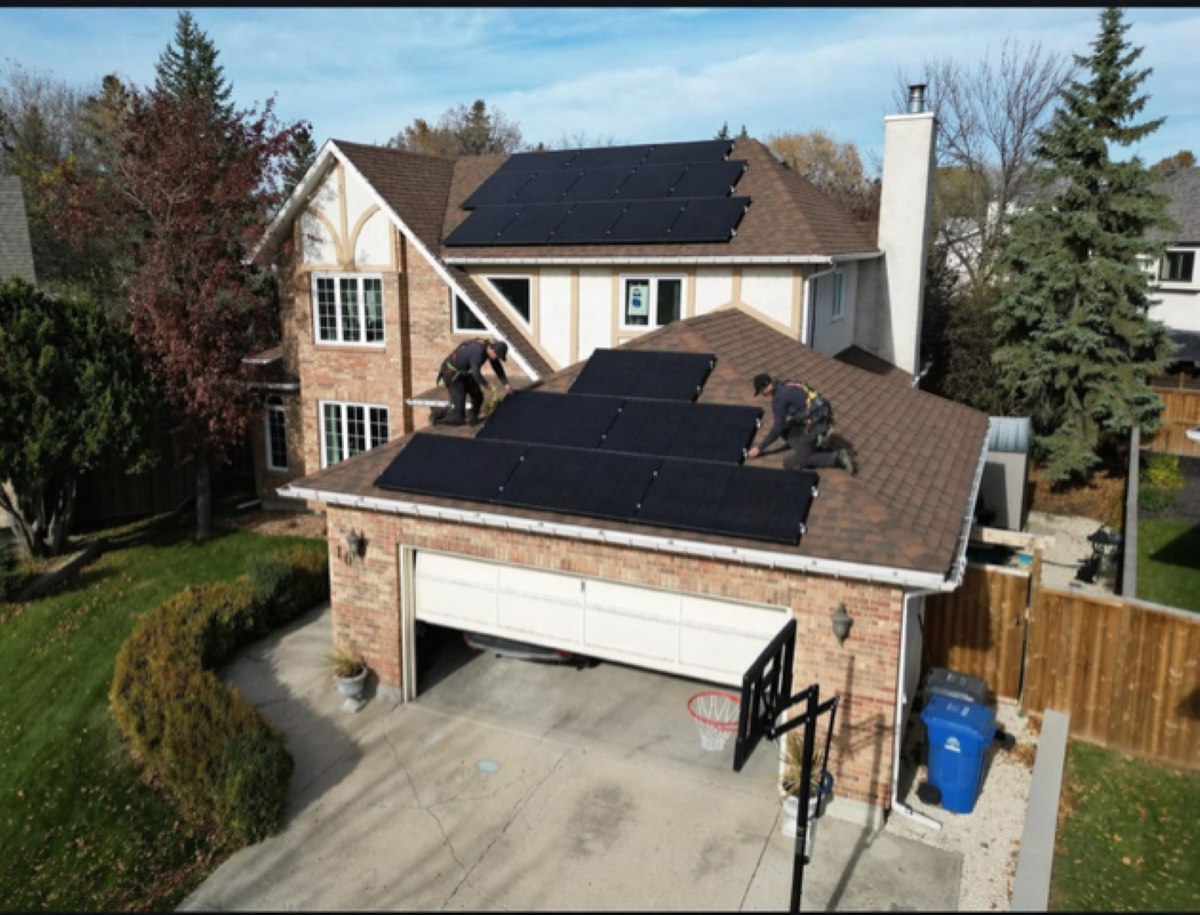
These grants also help develop broad energy plans for several First Nations, with equity ownership and local training being key goals, says Rocky Dhillon, the national director of Indigenous Partnerships and Strategic Development at May Solarbased in MIssion, BC, in a recent interview with Solar Builder Canada.
BC’s provincial government recently announced an award of approximately $6.6 million to 13 remote First Nations Community Energy Diesel Reduction Program (CEDR). to support them in setting up clean energy projects in their communities. BC Hydro also contributes to some of the project costs, as does the federal government in some cases.
The CEDR program, administered by the non-profit New Relationship Trust, is part of the province’s CleanBC Remote Community Energy Strategy. The program is primarily funded by the province, with BC Hydro funding some energy efficiency projects.
The biggest award among the new grants goes to the Tsay Keh Dene Nation, which will receive $1.5 million to design a 3.5 MW solar project. The Tsay Keh Dene Nation is a Sekani First Nation located in the Northern Interior of BC, approximately 600 km north of Prince George. Their community is located on the north side of the Williston Lake reservoir, which is part of the Rocky Mountain Trench.
Four First Nations will receive CEDR amounts of less than $100,000 to develop community energy plans. Mag Solar is one of several solar installation companies involved in helping the groups develop plans.
“We are not just participating in the development of solar energy,” says Dhillon. “We are focused on building Indigenous-led ownership for the long term [professional] capacity.”
According to CEDR, British Columbia has 44 remote communities that are not connected to the provincial power grid. “Most of these communities are governed by First Nations and rely on diesel generators to generate electricity to meet their energy and heating needs. Since its inception in 2022, including the 2026 inflow, the CEDR program has provided approximately $30 million to 26 remote communities for 56 clean energy projects,” the agency reported.
Building renewable energy capabilities for First Nation
The CEDR awards in BC are critical to developing tribal capabilities in planning and developing renewable energy and energy efficiency, but similar support is needed in all provinces, Dhillon explains.
“Across the country, First Nations are leading the way in clean energy projects, from solar and hydropower to wind and geothermal energy,” said Woodhouse Nepinak, national chief of the Assembly of First Nations (AFN),” in a statement on Earth Day 2025. “But barriers such as limited access to capital, jurisdictional uncertainty and restrictive federal funding programs continue to limit our full participation in the clean energy transition.”
TheAFN is a national advocacy organization that works to advance the collective aspirations of First Nations individuals and communities across Canada on matters of national or international character and concern.
Mag Solar is actively assisting First Nations in Alberta and BC, and will soon offer solar development services in Saskatchewan, Manitoba and New Brunswick, Dhillon says, adding that he is a “proud member of the Sapotaweyak Cree Nation in Manitoba.” He became involved in solar energy for First Nations when he discovered that sales of modular homes in these areas were slowing because the time it took for the utility to connect to the grid was significantly delayed.
“What we want in the future is for these communities to lead their own solar farms and the development of solar capacity,” says Dhillon. “That means three things on our end. First, structuring projects so that communities have equity, and not just short-term contracts. Second, we want to develop training pathways that create skills for the local workforce, which is huge because First Nations employment is very low. That’s why we use certified trainers that we can train [local] employees and get them to work. And third, we support the growth of indigenously owned solar companies that can operate independently over time.”
He adds: “When communities are equity partners, training becomes workforce development with a direct pipeline to employment and business creation.”
Mag Solar began working in 2025 under contract with Treaty 8 Tribal Association in B.C., which has a population of 13,000, Dhillon notes. Treaty 8, signed in 1899 with the Crown government, covers four provinces and territories with 39 First Nations communities. Six BC member states are located in the northeastern part of the British Columbia treaty area, the association said.
“These subsidies are available, but how do they get the subsidies?” Dhillon asks. “There is no cookbook and there is no one [from the province] there to teach you how to do it. So we have people in-house who write out the subsidies for us, for our customers.”
Focused on diesel reduction
According to the Pembina Institute, diesel costs among First Nations are largely borne by provincial and federal government agencies. “Diesel consumption in Canada’s remote First Nations communities is primarily paid for by the federal government (through Indigenous Services Canada and Crown-Indigenous Relations and Northern Affairs Canada), which subsidizes the high costs of transporting and burning diesel for electricity. These subsidies are estimated at between $300 million and $400 million per year,” an institute summary said.
The current CEDR program will soon be expanded with additional rounds of awards administered by New Relationship Trust, based in North Vancouver.
“Enrollment in the CEDR program is at an all-time high as B.C.’s diesel-dependent communities look to develop cleaner, affordable and resilient energy systems,” New Relationship Trust CEO Walter Schneider said in a statement. “The 13 projects awarded to this latest cohort will reduce the amount of diesel used in the province and improve the quality of life for some of B.C.’s most remote communities.”
Tags: British Columbia, First Nations, Solar Builder Canada
