

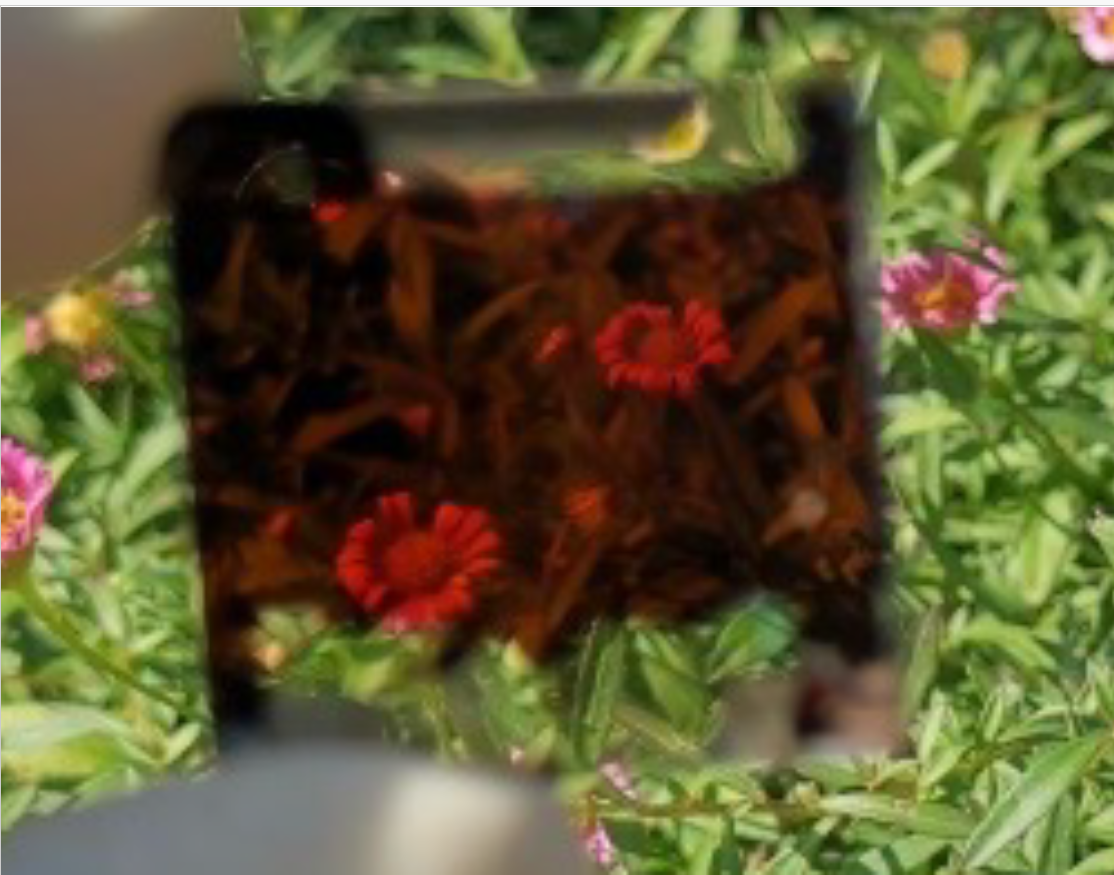
Researchers from the Hebrew University of Jerusalem have demonstrated 9.2% efficient printable semi-transparent, flexible halide perovskite solar cells with adjustable color and transparency.
Researchers from the Hebrew University of Jerusalem developed a method to fabricate semi-transparent, flexible halide perovskite solar cells with tunable transparency and color via 3D microprinted structures in a low-temperature process.
The devices have demonstrated good energy conversion efficiency levels, visible transparency and improved stability during long-term use and after repeated bending tests. Potential applications include building-integrated solar photovoltaics (BIPV) and indoor PV devices, the study found.
“This study introduces several important innovations. First, it demonstrates the ability to precisely control device transparency without compromising the intrinsic optical properties of the semiconductor. Second, the fabrication process is largely dependent on the printing method using non-toxic solvents, enabling a more sustainable and scalable production route,” the study’s corresponding author, Lioz Etgar, shared. pv magazine.
“Third, the incorporation of a pillar-based architecture significantly improves both chemical and mechanical stability, providing improved durability compared to conventional planar device structures,” he added.
Optical transparency was achieved via 3D printed pillar structures with micropatterns and a solvent-free monomer. The color tuning was determined by the thickness of the top transparent electrode, designed as a dielectric-metal-dielectric stack, the paper said.
In laboratory tests, the flexible solar cells achieved an energy conversion efficiency of up to 9.2%, with about 35 percent average visible transparency across the visible spectrum in the 400-800 nm range, the researchers said.
The proof of concept devices were 2.5 cm x 2.5 cm in size. “Long-term stability testing under ambient conditions and illumination for 1,200 hours showed that pristine devices deteriorated to approximately 40% of initial PCE, compared to approximately 80% for pillar-embedded devices,” the academics said.
They performed stably after repeated bending and during extended use, the research group noted, adding that it would make the technology suitable for use in curved or unconventional architectural applications.
The cells had the following composition: flexible indium tin oxide (ITO) coated polyethylene naphthalate (PEN) substrate, tin oxide (SnO2) electron transport layer (ETL), polymer pillars, perovskite, Spiro-OMeTAD hole transport layer (HTL) and a transparent top electrode based on molybdenum oxide (MoOx) and gold (Au). A lead-based perovskite with double cations and double halides was used because, according to the research, it was considered more stable than the triple-cation perovskite with methylammonium.
The researchers concluded that the flexible solar cells with their “excellent flexural durability and long-term operational stability” demonstrate the potential for printable, semi-transparent and color-controlled perovskite solar cells.
Future improvements proposed by the technology would address long-term sustainability through protective encapsulation and barrier layers, with the aim of bringing the technology closer to commercial use.
With further tuning of the pillar density and height, together with the perovskite composition, there is potential to achieve higher efficiency, according to Etgar.
The research is described in “Semi-transparent perovskite solar cells with color tuning and 3D pillar structure”, published by EES solar energy.
Regarding current research activities, the emphasis is on advanced materials chemistry and device engineering applied to hybrid perovskite materials. “The research includes the development of stable and scalable perovskite solar cell architectures, including semi-transparent and flexible ones, as well as the exploration of multifunctional properties such as piezoelectricity for sensing applications,” said Etgar.
Other research includes sustainable manufacturing strategies such as printable processes, low-temperature manufacturing, and non-toxic solvents to improve the long-term stability and performance of devices.
This content is copyrighted and may not be reused. If you would like to collaborate with us and reuse some of our content, please contact: editors@pv-magazine.com.
