

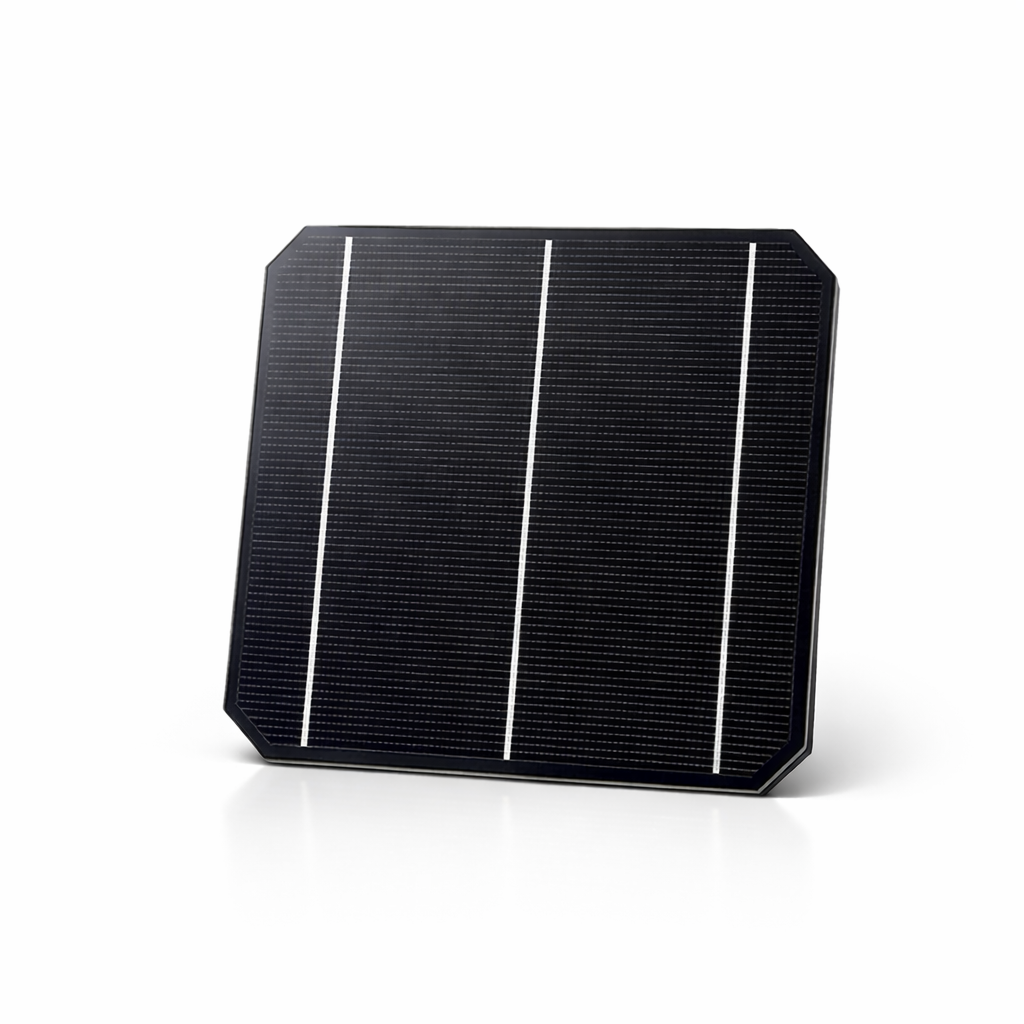
Accelerated testing by French certification body Certisolis finds major performance differences and design vulnerabilities in tunnel oxide passivated contact (TOPCon) solar panels that current international standards do not address.
French testing and certification laboratory Certisolis has released the first results of accelerated degradation tests conducted under its Optisol program, highlighting the performance differences of TOPCon solar panels.
The Optisol campaign applies stress conditions beyond those required by the International Electrotechnical Commission standards IEC 61215 and IEC 61730, Certisolis said.
“The aim is to go beyond the requirements of IEC 61215 and IEC 61730,” says Stéphane Gresset, technical director at Certisolis. “Some modules that formally meet the standard show only average performance over time under real-world conditions.”
Sample coverage emerged as a central concern. Manufacturers typically qualify only a subset of module variants and BOM components, despite extensive supplier diversity in encapsulants, glass, interconnects and backsheets. Certisolis said this gap could prevent material and design risks from being tested under existing certification protocols, including increased sensitivity to humidity in modules deployed in floating photovoltaic applications.
Limited field data on newer cell architectures and interconnect designs further complicates long-term reliability assessments, the lab said, as cell spacing continues to shrink and material stacks evolve rapidly.
Certisolis carried out a six-month test campaign under the Optisol programme, with an analysis carried out by the National Solar Energy Institute (INES), part of the French Commission for Alternative Energy and Atomic Energy (CEA). Three power plant operators – TotalEnergies, Technique Solaire and Neoen – selected TOPCon modules from undisclosed Asian Tier 1 manufacturers that are identical to those used in their operational portfolios.
The test set included three double-glazed module models with 72 half-cells and one with 54 half-cells, all with 2 mm glass.
“This first edition is based on IEC 63209, but the analysis goes far beyond just Pmax and covers a wide range of parameters,” says Gresset. The final technical report consists of more than 100 pages.
Thermal cycling tests conducted between minus 40 degrees Celsius and 85 degrees Celsius showed general compliance, with the weakest performing module losing 2.2% of maximum power. Certisolis noted a sharper drop in performance after 400 cycles, exceeding standard requirements and highlighting accelerated fatigue in solder joints, especially on cell fingers.
Moist heat tests at 85°C and 85% relative humidity for 2000 hours revealed differences between the samples. Two double-glazed modules maintained acceptable performance, while one experienced a 30% power loss due to increasing moisture ingress at the module edges.
Mechanical loading and combined thermal stress tests at 2,400 pascals showed that all models met the loading requirements. The 54 half-cell module showed the highest stability, with power loss limited to 2.1%. Finger fractures occurred in some samples after additional stress testing, although no initial stress cracks were detected.
All modules passed hail tests with a 35-millimeter projectile, but none of the 72 half-cell designs withstood impacts from 45-mm hailstones.
Potential-induced degradation tests showed sensitivity to positive polarization in all models. Degradation was limited in most cases, and exposure to ultraviolet radiation reversed performance losses in all but one module, reducing output by 18%.
Certisolis said the findings could help independent power producers refine purchasing strategies, identify latent risks in operating fleets and encourage manufacturers to strengthen design margins beyond minimum certification thresholds.
A second Optisol campaign is planned for the first quarter of 2026, with extensive participation from developers, independent energy producers, distributors and engineering firms. The next phase may include additional technologies such as back-contact heterojunction and other emerging PV architectures.
“We observed that the TOPCon technology is not only sensitive to moisture, but also responds strongly to exposure to ultraviolet radiation,” said Gresset. “The integration of UVID testing could therefore be considered in the next phase.”
This content is copyrighted and may not be reused. If you would like to collaborate with us and reuse some of our content, please contact: editors@pv-magazine.com.
