

MIT World Peace University (MIT-WPU)
Researchers from MIT World Peace University (MIT-WPU) have developed a scalable recycling process to tackle the growing problem of solar energy waste in India. The process has been validated by laboratory testing and industry feedback.
The team received a research grant of INR 2.5 million ($28,170) from the Rajiv Gandhi Science and Technology Commission, Government of Maharashtra, to support the project.
India’s PV waste is expected to reach nearly 200,000 tonnes by 2030 and 1.8 million tonnes by 2050. The solution aims to reduce this waste while supporting the UN Sustainable Development Goals 9 (Industry, Innovation and Infrastructure) and 11 (Sustainable Cities and Communities) by promoting circular production and sustainable construction practices.
Most waste solar panels in India are currently stored or partially dismantled for aluminum and cables, leaving valuable materials such as silver, copper, tin and lead unrecovered due to the difficulty of separating laminated, multi-layered structures.
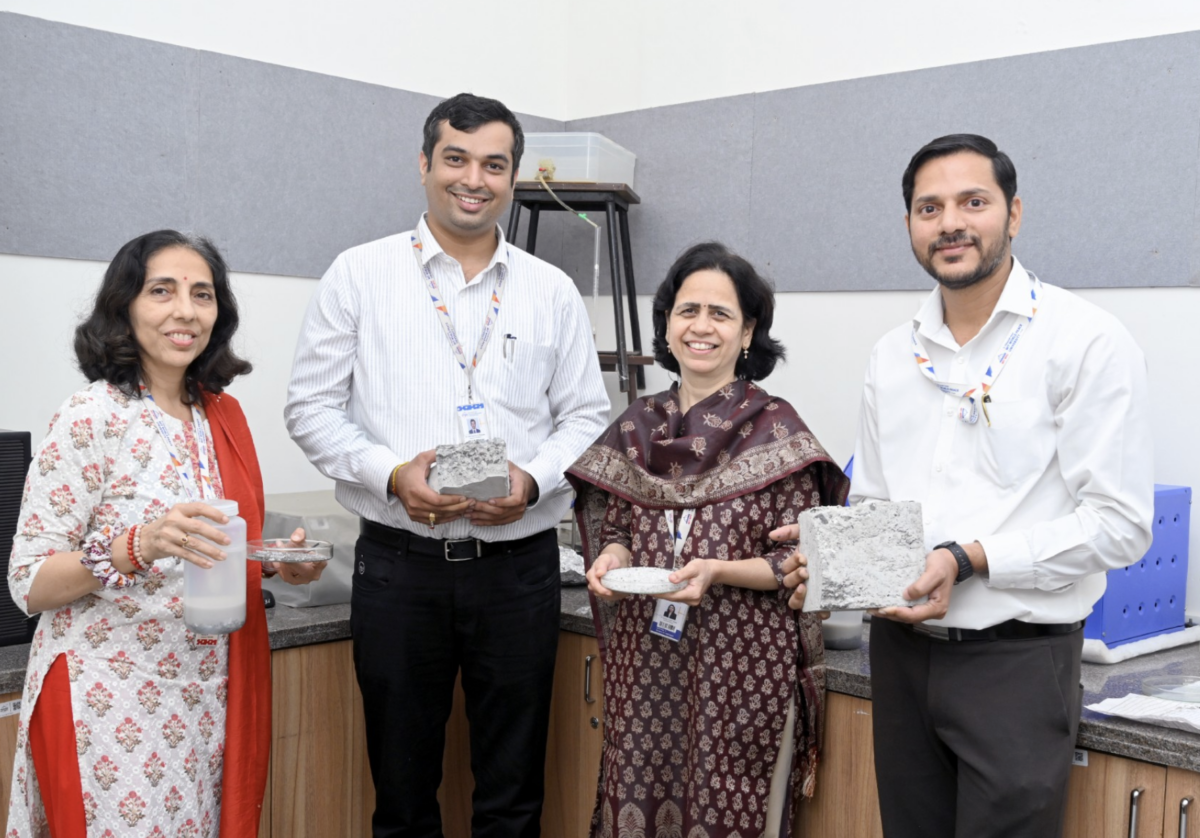
The initiative, led by Dr. Sarita R. Zele, developed a process that recovers valuable materials from discarded solar panels and converts non-recoverable fractions into building materials such as bricks, blocks and aggregates. The dual approach prevents hazardous waste from ending up in landfills and reduces dependence on new raw materials.
“Solar energy is one of the pillars of India’s clean energy transition, but its byproduct – waste from solar panels – is a growing concern,” says Zele. “Our research provides a sustainable solution that not only recovers valuable resources, but also converts waste into useful building products. This ensures that renewable energy remains truly green and environmentally responsible.”
This content is copyrighted and may not be reused. If you would like to collaborate with us and reuse some of our content, please contact: editors@pv-magazine.com.
Popular content

