

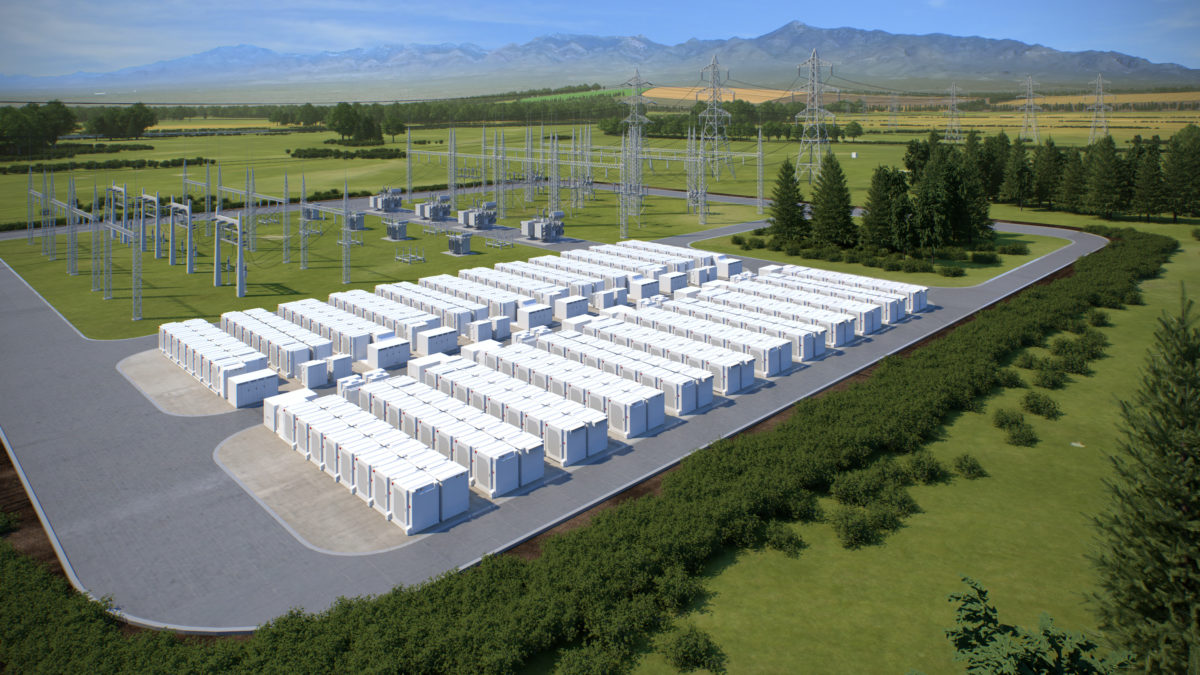
The installed battery storage capacity in India reached 219.1 MWh at the end of March 2024. A recent Mercom report predicts that the country will add 1.6 GWh of standalone battery storage and 9.7 GW of renewable projects with storage by 2027.
India had installed a cumulative battery energy storage system (BESS) capacity of 219.1 MWh/111.7 MW by March 2024. Mercom India’s new report, “India’s Energy Storage Landscape,” states that 120 MWh/40 MW of this capacity was added in the first quarter. from 2024.
According to the report, PV systems combined with battery energy storage systems account for 90.6% of the total installed BESS capacity.
Mercom provides details on the status of energy storage installations in India and highlights key states for energy storage capacity development. It covers rate trends, the pipeline and installed capacity of standalone BESS projects, renewable energy plus BESS, and pumped storage.
The report states that the rapid addition of intermittent renewable energy sources such as solar and wind energy has significantly affected the stability of the electricity grid. As of March 2024, solar and wind energy accounted for 28.9% of the country’s electricity capacity. To ensure efficient integration of renewable energy sources and grid stability, policies such as deviation settlement mechanism, grid connectivity regulations and ancillary services regulations are being issued, thereby driving demand for utility-scale energy storage.
The viability gap financing program (VGF) aims to install 4 GWh BESS, supported by a budget of INR 37.6 billion ($452 million). The VGF, together with energy storage obligations and procurement guidelines for energy storage projects, with or without renewable energy, boosts the country’s pipeline of energy storage projects.
“India is an emerging energy storage market that is still in its early stages of development. Despite the rapid growth of renewable energy, energy storage has lagged, potentially leading to curtailment and a lack of flexibility and stability of the electricity grid. The urgency seen in renewable energy initiatives is missing in energy storage. To achieve the goals of energy transition and manage the exponential increase in renewable energy, the government must prioritize energy storage to avoid problems faced by other countries with intermittent power but insufficient storage capacity,” said Raj Prabhu, CEO of Mercom Capital Group.
The report states that Chhattisgarh leads in BESS installations, accounting for 54.8% of the cumulative installed capacity.
According to Central Electricity Authority (CEA) data, India’s pumped hydro storage operating capacity totaled 3.3 GW as of March 2024. Nearly 76% of this capacity is in Telangana and West Bengal.
As of March 2024, 1.6 GWh/1 GW of standalone BESS, 9.7 GW of renewable energy projects plus energy storage and 78.1 GW of pumped hydro projects were in various stages of development, with 60 GW in exploration and research and 18.1 GW in development. .
Rajasthan has the highest capacity of standalone BESS under development, driven by favorable provisions in the state’s renewable energy policy and annual energy storage commitments through FY 2030.
To meet the demand for efficient energy use from renewable sources, government agencies have issued tenders for a total of 57 GW and auctioned 11.5 GW of energy storage projects from March 2024. Tenders for standalone and renewable projects with energy storage totaled 7.4 GW in the first quarter of 2024. 2024.
This content is copyrighted and may not be reused. If you would like to collaborate with us and reuse some of our content, please contact: editors@pv-magazine.com.
