

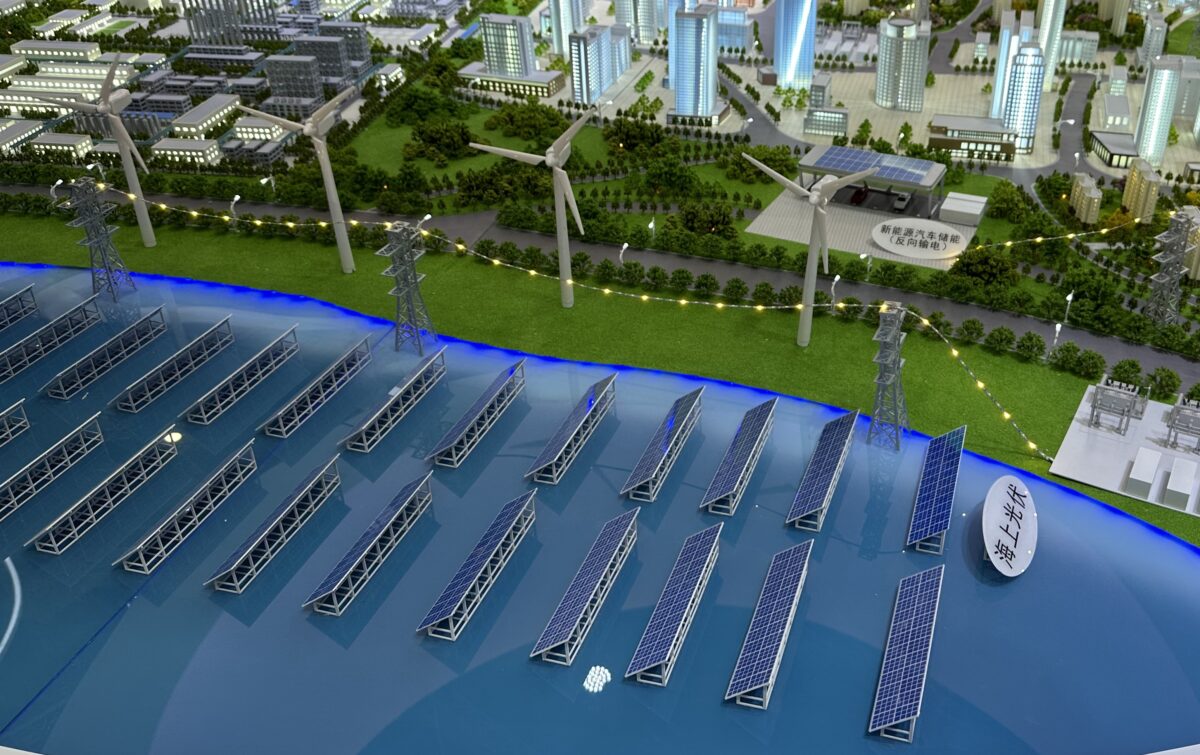
The International Energy Agency Photovoltaic Power Systems Program (IEA PVPS) is launching a new Task 20: Energy Hubs for Green Hydrogen. This joint effort with the IEA’s Wind and Hydrogen Technology Collaboration Programs (TCPs) aims to advance the integration of wind, solar and hydrogen technologies into hybrid energy systems that efficiently and sustainably produce green hydrogen. Task 20 will run from 2025 to 2028 and will focus on the practical, technical, environmental and societal challenges associated with hybrid energy hubs, providing actionable insights for their implementation on a global scale.
Hybrid energy hubs combine renewable energy generation, digital tools and energy storage solutions, including hydrogen production via electrolysis. Unlike standalone renewable energy systems, these hubs balance energy supply and demand more effectively by utilizing the complementary properties of wind and solar energy. Designed to adapt to regional conditions such as climate, market needs and regulatory frameworks, hybrid energy hubs are versatile solutions for integrating renewable energy into various sectors, including heavy industry and transportation.
Task 20 emphasizes the potential of green hydrogen as a clean energy carrier. By linking electricity generated by renewable sources to hydrogen production, the task aims to demonstrate the technical and economic feasibility of these systems, which can support decarbonization efforts in areas where direct electrification is not practical.
Joint expertise across three TCPs
Task 20 is a joint effort involving the PVPS, Wind and Hydrogen TCPs, each contributing specialized knowledge and resources. This approach provides a comprehensive exploration of the technical, economic and social dimensions of hybrid systems. By combining expertise from these three domains, the Task provides a platform for developing robust solutions that address the challenges of integrating renewable energy at scale.
Addressing local and global needs
The scope of Task 20 is both broad and tailored. It covers the design and operation of hybrid power plants, taking into account local diversity in terms of climate, market structures and regulations. For example, the task examines use cases for specific geographic locations and provides insights into how hybrid systems can optimize performance under different conditions. These studies will include considerations such as network connectivity, storage capacity and legal frameworks to ensure applicability across markets.
The Assignment also focuses on developing reference designs that stakeholders can use as blueprints for hybrid systems. These designs integrate wind, solar and hydrogen technologies and provide adaptable solutions for both onshore and offshore applications. The results of Task 20 include a shared database consolidating research and field trial results that will serve as a valuable resource for policymakers, researchers and industry leaders.
Environmental and social considerations
One of the central objectives of Task 20 is to address the environmental and social dimensions of hybrid energy hubs. Life cycle assessments (LCAs) evaluate the environmental footprint of these systems, examining factors such as material use, emissions and end-of-life management. The findings will help identify best practices for minimizing ecological impacts and improving system efficiency.
Social acceptance is another area of focus. Task 20 will provide tools and templates to facilitate engagement with local communities and ensure projects meet public expectations and needs. By addressing issues such as land use, ecological impact and public perception, the initiative aims to make hybrid energy hubs socially sustainable.
Legal and economic frameworks
Hybrid energy hubs need clear regulatory and economic frameworks to succeed. Task 20 will develop tools such as checklists and contract templates to guide project developers through the regulatory process. These tools are intended to streamline project planning, reduce costs and improve the bankability of hybrid systems. The task will also examine economic metrics such as the levelized cost of hydrogen (LCOH), providing stakeholders with actionable data to evaluate project viability.
Deliver practical results
The results of task 20 are designed to be practical and applicable. By synthesizing insights from the different sub-tasks, the initiative will provide guidelines, benchmarks and recommendations for the integration of hybrid systems into energy infrastructures worldwide. These results will support stakeholders in overcoming technical, economic and societal challenges, enabling the wider adoption of green hydrogen.
Continue with task 20
As hybrid energy systems become increasingly important in the global transition to renewable energy, Task 20 will provide the tools, insights and frameworks needed to make these systems a reality. By integrating wind, solar and hydrogen technologies, hybrid energy hubs offer a way to overcome the intermittent challenges of renewable energy while supporting broader decarbonization goals.
Author: Bettina Sauer
This article is part of a monthly column from the IEA PVPS programme.
The views and opinions expressed in this article are those of the author and do not necessarily reflect those of the author pv magazine.
This content is copyrighted and may not be reused. If you would like to collaborate with us and reuse some of our content, please contact: editors@pv-magazine.com.
