

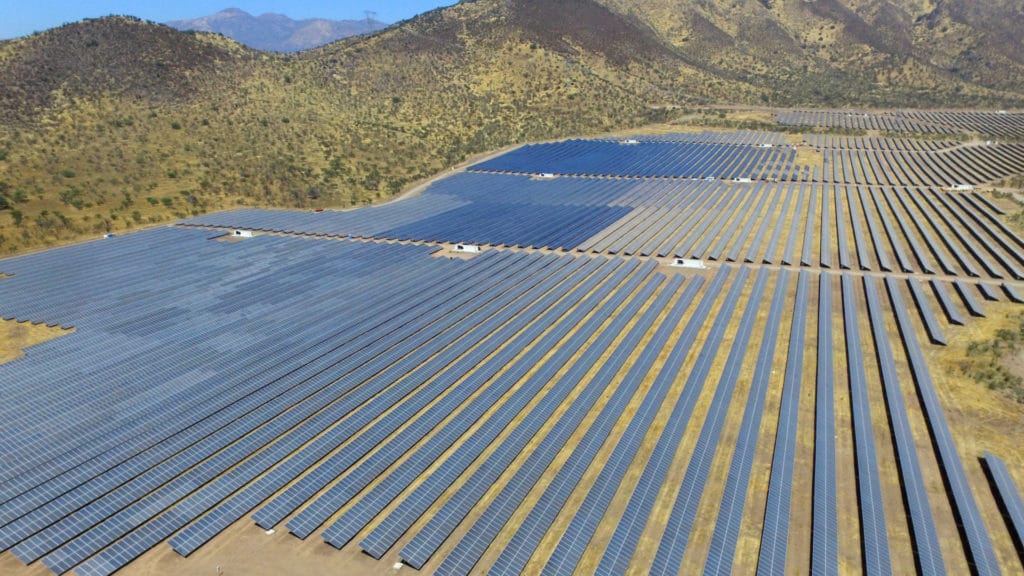
In the first nine months of 2025, Brazil added 1,718 GW of utility-scale solar generation capacity to its electricity matrix, compared to 4 GW in the same period in 2024.
By September 2025, 935 MW of utility-scale photovoltaic capacity had come online in Brazil.
From January to the end of September, newly connected large-scale solar power plants reached 1,718 GW of new capacity, compared to 4,050 GW in the same period in 2024.
The National Electric Energy Agency (Aneel) expects “centralized” solar to add a total of 3,493 GW by 2025, up from the 5,589 GW installed in 2024.
While solar and wind energy growth is expected to slow in 2025 compared to last year – from 4,240 GW to 2,852 GW for wind energy – the growth of new thermal power plants is expected to increase from 907 MW in 2024 to 3,212 GW this year. Hydroelectric power stations, mini-hydropower stations and auxiliary hydropower stations are expected to have a total capacity of 312 MW in 2025, up from 57 MW in 2024.
The utility-scale solar energy generation segment and renewable energy as a whole are currently facing their biggest challenge: its curtailment, which can reach up to 20% of potential production and discourage new investments in large-scale projects.
The solutions proposed by Brazilian PV association ABSolar include compensating for the losses incurred in recent years, expanding transmission infrastructure and maintaining the stability of the electricity grid, including increased energy storage capacity during periods of oversupply.
Two photovoltaic complexes that are part of the New Growth Acceleration Program (New PAC) went into service in the northeast in late September, adding almost 300 MW of capacity to Brazil’s electricity grid.
The Lins photovoltaic complex came online on September 18 in the municipality of São Gonçalo do Amarante, Ceará (CE). The complex consists of 59 production units, divided over two power stations and has an installed capacity of 182 megawatts (MW). The Lins 01 power station has 29 production units, for a total of 90 MW, while Lins 02 has 30 production units and 92 MW.
The project will be connected to the basic grid via the SE 230 kV Pecém II substation.
Meanwhile, the Dunamis Photovoltaic Complex was inaugurated on September 24 in the municipality of Santana do Matos, Rio Grande do Norte (RN). The project consists of 36 production units spread over four power stations (Dunamis I to IV) and has a total installed capacity of 117.54 megawatts (MW). The project has an estimated investment of R$569 million, contributing to the economic and social development of the region.
This content is copyrighted and may not be reused. If you would like to collaborate with us and reuse some of our content, please contact: editors@pv-magazine.com.
