
Close Menu
  • News
  • Industry
  • Solar Panels
  • Commercial
  • Residential
  • Finance
  • Technology
  • Carbon Credit
  • More
    • Policy
    • Energy Storage
    • Utility
    • Cummunity
What's Hot

Mitsubishi Electric Trane announces new heat pump line for hydronic heating – SPE

March 6, 2026

Origis is developing a 413 MW solar portfolio in West Texas

March 6, 2026

New Jersey expands state community solar program by 3 GW

March 6, 2026
Facebook X (Twitter) Instagram
Solar Energy News
Friday, March 6
  • News
  • Industry
  • Solar Panels
  • Commercial
  • Residential
  • Finance
  • Technology
  • Carbon Credit
  • More
    • Policy
    • Energy Storage
    • Utility
    • Cummunity
Solar Energy News
Home - News - Photosynthetic algae develop unique pigments to protect against sunlight and increase energy efficiency
News

Photosynthetic algae develop unique pigments to protect against sunlight and increase energy efficiency

solarenergyBy solarenergyOctober 23, 2025No Comments2 Mins Read
Facebook Twitter Pinterest LinkedIn Tumblr Email
Share
Facebook Twitter LinkedIn Pinterest Email

Photosynthetic algae develop unique pigments to protect against sunlight and increase energy efficiency


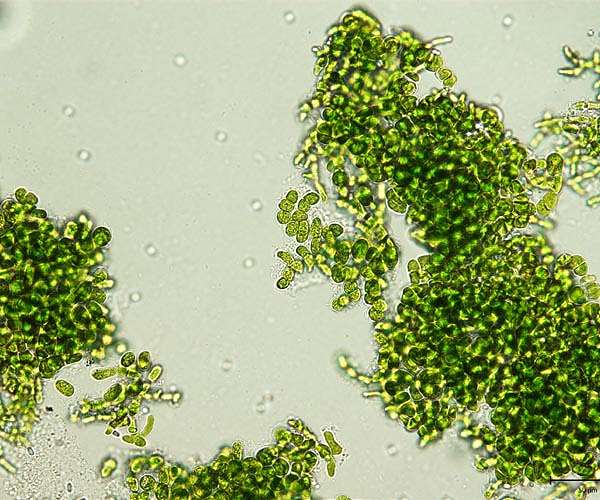
Green marine algae have developed a remarkable defense against the harmful effects of excess sunlight, according to a study by Osaka Metropolitan University and its international research partners. The research found that a pigment called siphonin acts as a protective shield, allowing algae to maintain efficient photosynthesis without risking damage from excessive light exposure.

The research focused on the marine algae Codium fragile, which, like land plants, contains light-harvesting complexes equipped with chlorophyll to absorb sunlight. However, Codium fragile is distinguished by the addition of unique carotenoids, especially siphonine and siphonaxanthin, which enable effective use of green light underwater.

“Organisms use carotenoids to quickly dissipate excess energy, or quench these triplet states, through a process called triplet-triplet energy transfer (TTET),” says Ritsuko Fujii, associate professor at Osaka Metropolitan University. Using a specialized electron paramagnetic resonance spectroscopy method, the team immediately found that Codium’s carotenoids eliminate fragile potentially harmful chlorophyll triplet states much more effectively than in spinach plants.

The scientists found that the placement of siphonine in the light-harvesting antenna structure is crucial for this energy-dissipating process, and further quantum chemical simulation confirmed the electronic structure’s key role in preventing oxidative damage while improving photosynthetic performance.

The evolutionary adaptation of algae shown in this study not only helps them withstand harsh marine sunlight, but could also pave the way for bio-inspired improvements in solar energy technology. The team now hopes to identify structural features in carotenoids that maximize energy quenching, potentially revolutionizing the design of artificial photosynthetic and renewable energy systems.

See also  Lightsource BP Funds Community Initiatives with 180 MW Louisiana Solar Project

“Our research has shown that the antennal structure of photosynthetic green algae has an excellent photoprotective function,” says Alessandro Agostini, University of Padua, co-lead author of the study. “We hope to further elucidate the structural features of carotenoids that increase quenching efficiency, ultimately enabling the molecular design of pigments that optimize photosynthetic antennae,” Fujii said.

Research report:Siphonein enables an effective photoprotective triplet quenching mechanism in green algae light-harvesting complexes


Source link

algae develop efficiency Energy increase Photosynthetic pigments protect sunlight unique
Share. Facebook Twitter Pinterest LinkedIn Tumblr Email
solarenergy
  • Website

Related Posts

Origis is developing a 413 MW solar portfolio in West Texas

March 6, 2026

The technical interface makes perovskite solar cells ready for the market

March 5, 2026

EirGrid identifies a shortage of energy capacity in Ireland

March 5, 2026
Leave A Reply Cancel Reply

Don't Miss
Policy

Energy storage will no longer be eligible for a bonus for low incomes in 2025

By solarenergyOctober 4, 20240

Credit: DSD Renewables On October 3, the Solar Energy Industries Association (SEIA) submitted comments on…

China connects its first large-scale flywheel storage project to the electricity grid – SPE

September 14, 2024

France allocates 49.8 MW to PV tenders for non-interconnected areas – SPE

May 7, 2024

The US utility solar market has grown 34% since the second quarter of 2023

September 18, 2024
Stay In Touch
  • Facebook
  • Twitter
  • Pinterest
  • Instagram
  • YouTube
  • Vimeo
Our Picks

Mitsubishi Electric Trane announces new heat pump line for hydronic heating – SPE

March 6, 2026

Origis is developing a 413 MW solar portfolio in West Texas

March 6, 2026

New Jersey expands state community solar program by 3 GW

March 6, 2026

How to address imbalance datasets in solar panel dust detection

March 5, 2026
Our Picks

Mitsubishi Electric Trane announces new heat pump line for hydronic heating – SPE

March 6, 2026

Origis is developing a 413 MW solar portfolio in West Texas

March 6, 2026

New Jersey expands state community solar program by 3 GW

March 6, 2026
About
About

Stay updated with the latest in solar energy. Discover innovations, trends, policies, and market insights driving the future of sustainable power worldwide.

Subscribe to Updates

Get the latest creative news and updates about Solar industry directly in your inbox!

Facebook X (Twitter) Instagram Pinterest
  • Contact
  • Privacy Policy
  • Terms & Conditions
© 2026 Tsolarenergynews.co - All rights reserved.

Type above and press Enter to search. Press Esc to cancel.