

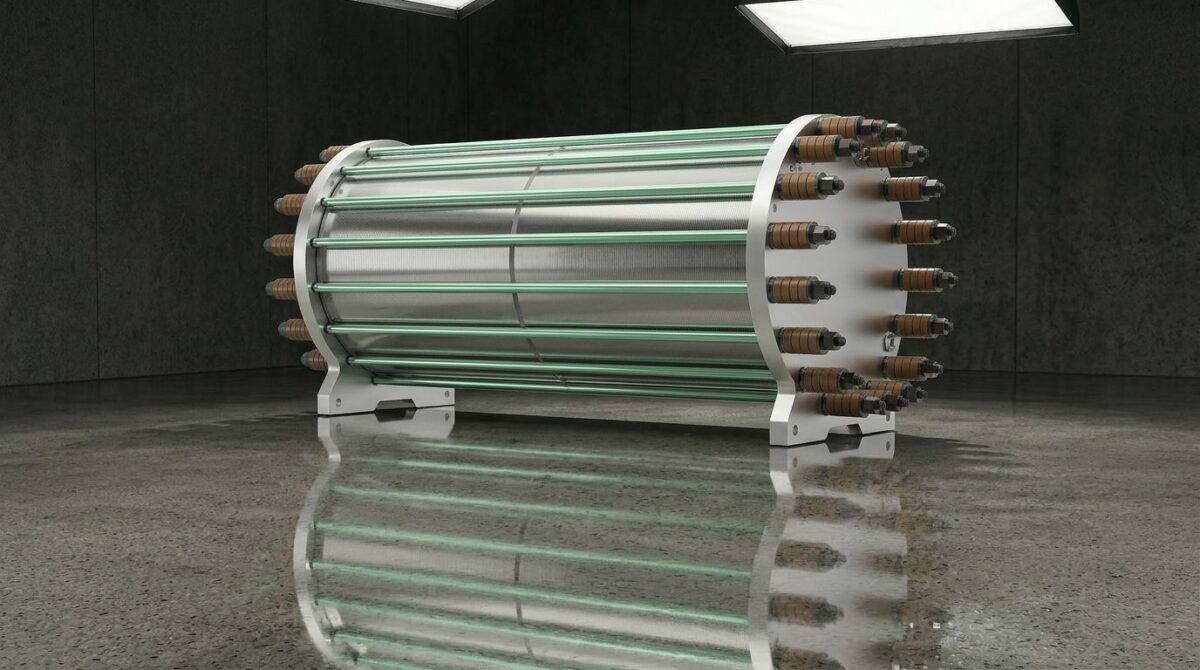
RCT Hydrogen has started operations at a new electrolyzer production facility in Saarbrücken, Germany, with a planned annual production capacity of 250 MW and an initial 5 MW system planned for installation in 2026.
German-Chinese green hydrogen company RCT Hydrogen has started operations in a new production facility in SaarbrückenGermany. The factory is part of a joint venture with Brücka German manufacturer of forged and ring-rolled products for industrial applications. The facility is expected to produce electrolysis systems with a combined annual capacity of 250 MW.
“We see that companies need concrete solutions to address availability and cost bottlenecks – not in ten years, but ideally yesterday,” says Peter Fath, founder of the RCT Group. “Removing dependence on imports by producing hydrogen locally could be a decisive factor.”
According to RCT, production at the Saarbrücken plant will begin with the installation of a 5 MW electrolyzer in June 2026. Delivery and commissioning of the system is planned for later that year at a German industrial site. The company said additional projects with a combined electrolysis capacity of more than 30 MW are currently under development.
The new facility will also include a 2.5 MW electrolysis demonstration plant. The hydrogen produced there could ultimately replace the natural gas that Brück currently uses in industrial processes at high temperatures.
“We see this as an opportunity to integrate hydrogen into production,” says Frederic Scholl, head of business development at Brück. “This would be a first step away from fossil fuels in the industrial production of forged steel components.”
In addition to the sale of conventional equipment, RCT Hydrogen is pursuing a ‘hydrogen-as-a-service’ business model. Under this approach, the company and its partners build and operate hydrogen production systems directly at customer sites. Industrial customers then purchase hydrogen at contractually agreed prices, without investing in electrolysis infrastructure themselves. RCT Hydrogen said the model could help accelerate adoption in energy-intensive industries.
The company said hydrogen prices per kWh remain about 20% to 50% higher than natural gas. However, it argued that the gap could be partially offset by existing carbon pricing, which currently stands at around €83/ton of CO₂. RCT Hydrogen also pointed to the growing share of renewable energy in the electricity mix, which it expects will reduce green hydrogen production costs in the long term.
RCT Hydrogen has its headquarters in Constance and operates as a joint venture. The RCT Group has a 51% stake, while the Chinese manufacturer Jiangsu Guofu Hydrogen Energy Technology & Equipment Co. Ltd. owns the remaining 49% through its wholly owned German subsidiary, GF Hydrogen Europe GmbH.
This content is copyrighted and may not be reused. If you would like to collaborate with us and reuse some of our content, please contact: editors@pv-magazine.com.
