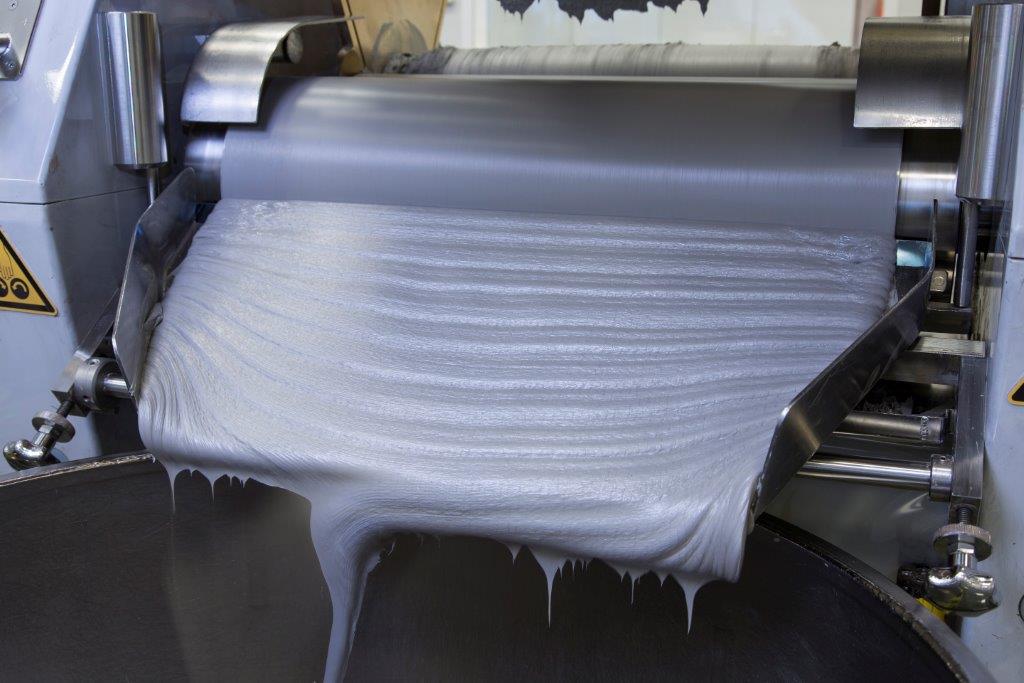
Silver metallization paste
Image: Heraeus
The rising price of silver is causing concern in much of the solar industry. In a recent report, Heraeus said that despite some recent declines, silver remains 187% higher than at the beginning of 2025.
Silver paste accounts for as much as 30% of the total cost of solar cells, creating a difficult environment for manufacturers already dealing with overcapacity, falling module prices and tight margins. Companies are exploring alternative metallization technologies and other ways to reduce silver consumption.
Heraeus noted that reducing the use of silver is not easy. In 2011, when silver reached $50 per ounce, manufacturers intensified their cost-cutting efforts and looked for alternatives. Over the next three years, demand for silver in photovoltaic applications fell by approximately 30%, while global solar installations nearly doubled. Demand did not return to 2011 levels until 2016, when the global silver market had almost tripled.
Solar photovoltaic manufacturers are increasingly considering copper as a substitute. Heraeus warned that technical challenges remain and further reductions may be more difficult to achieve given the significant savings already achieved since 2011. Copper performs well in back-contact cells, which still represent a small portion of the market. The use of copper in conventional top contact cells is more complex. Longi has announced plans to switch to copper-based metallization for mass production this year, while DK Electronic Materials is developing solutions with high copper content. For large-scale manufacturers of top contacts, silver-coated copper paste may be the most feasible solution.
Heraeus estimates that demand for silver in solar photovoltaics reached about 195 million ounces last year. With global PV installations expected to remain stable at around 655 GW, industry silver demand is expected to decline further as replacement efforts continue.
This content is copyrighted and may not be reused. If you would like to collaborate with us and reuse some of our content, please contact: editors@pv-magazine.com.
Popular content