
Close Menu
  • News
  • Industry
  • Solar Panels
  • Commercial
  • Residential
  • Finance
  • Technology
  • Carbon Credit
  • More
    • Policy
    • Energy Storage
    • Utility
    • Cummunity
What's Hot

A deep learning model tracks the status of the EV battery with high precision

March 6, 2026

Mitsubishi Electric Trane announces new heat pump line for hydronic heating – SPE

March 6, 2026

Origis is developing a 413 MW solar portfolio in West Texas

March 6, 2026
Facebook X (Twitter) Instagram
Solar Energy News
Friday, March 6
  • News
  • Industry
  • Solar Panels
  • Commercial
  • Residential
  • Finance
  • Technology
  • Carbon Credit
  • More
    • Policy
    • Energy Storage
    • Utility
    • Cummunity
Solar Energy News
Home - Energy Storage - Sodium-ion batteries are critical to India’s storage manufacturing ambitions – SPE
Energy Storage

Sodium-ion batteries are critical to India’s storage manufacturing ambitions – SPE

solarenergyBy solarenergyJanuary 14, 2025No Comments3 Mins Read
Facebook Twitter Pinterest LinkedIn Tumblr Email
Share
Facebook Twitter LinkedIn Pinterest Email

A new report says sodium-ion batteries (SIBs), made from abundant materials, could help India reduce its dependence on imports to meet its energy storage needs.

January 14, 2025
Uma Gupta

By pv magazine India

SIBs offer India an opportunity to build a domestic energy storage ecosystem due to its abundant raw materials compared to lithium-ion batteries (LIBs), according to a report from the Britain-India bilateral program ASPIRE, led by the UK Foreign Commonwealth and Development Office (FCDO) in collaboration with the Indian Ministry of Energy and the Ministry of New and Renewable Energy. KPMG served as lead advisor to the program.

The report highlights India’s position as the world’s third largest producer of sodium chloride, accounting for 10% of global salt production in 2021, along with its capacity to produce key SIB materials such as iron ore, manganese ore, phosphates and sulfur. Combined with reduced dependence on crucial minerals such as cobalt, these factors make SIBs a promising option for India’s projected need for 41.7 GW/208 GWh of battery energy storage systems by 2030, the Central Electricity Authority said.

The report says SIBs are suitable for network-scale storage applications due to their competitive lifecycle, improved security and lower costs compared to LIBs. They can address important network applications such as resource adequacy, transmission congestion relief, energy arbitrage and renewable energy reinforcement. The production process of SIBs is similar to that of LIBs, allowing production lines to be transferred with minimal changes, while falling costs over the next decade are expected to make them 15-20% cheaper than LIBs by 2030.

See also  Advansor launches CO2 plug-and-play heat pumps – SPE

“By 2030, SIBs are expected to achieve costs that are 15-20% lower than LIBs, making them increasingly competitive across applications,” the report said.

The report recommends policy measures to support the adoption of SIBs, including integrating SIBs into the Indian energy storage framework through 24-hour renewable energy tenders, a production-linked incentive program for advanced chemical cells, energy storage obligations within the mandates for the purchase of renewable energy, and a viability gap. financing storage projects.

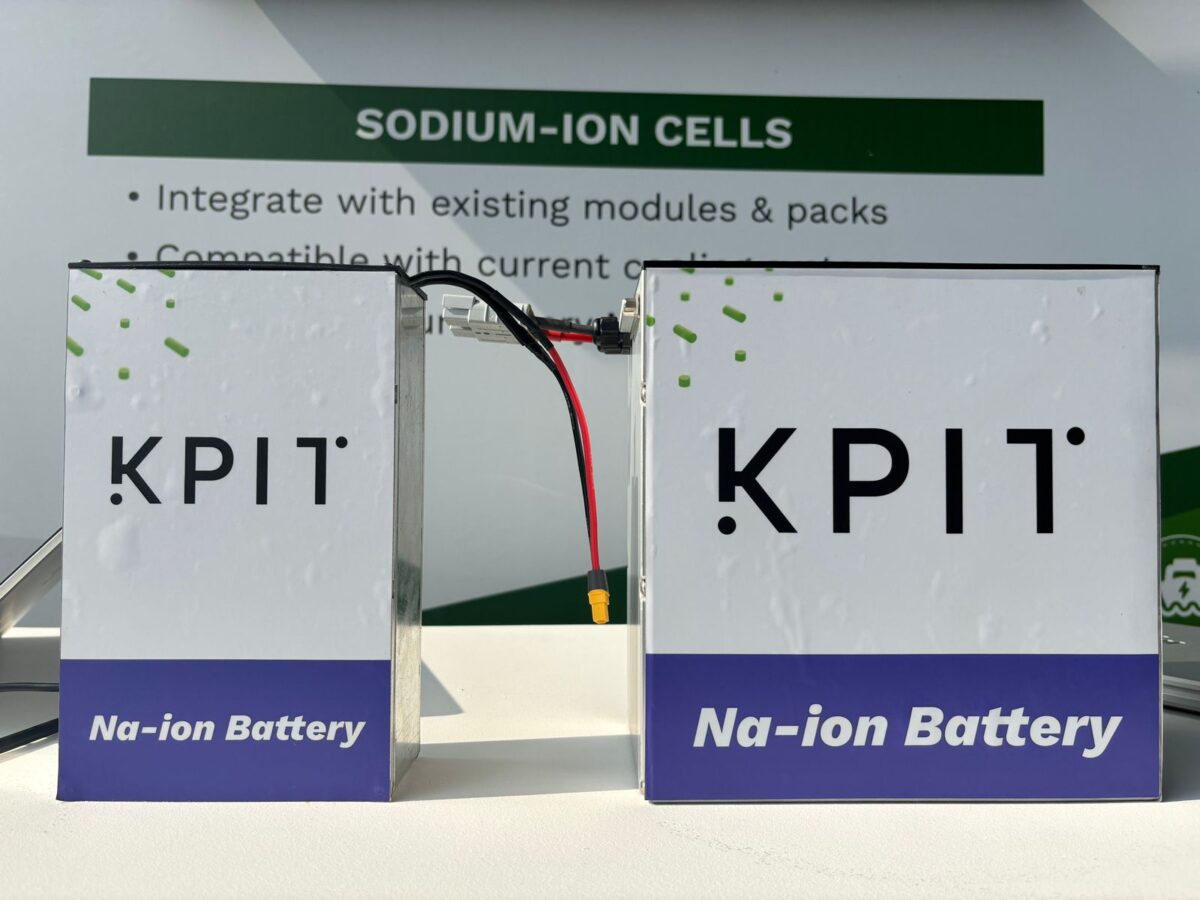
Collaboration between India and the UK could accelerate SIB development through joint research, business partnerships, scalable manufacturing and sharing of best policy practices. UK-based SIB companies include AMTE Power and LiNa Energy, while Indian companies such as Indi Energy, KPIT Technologies and Sodion Energy are already active in the sector.

This content is copyrighted and may not be reused. If you would like to collaborate with us and reuse some of our content, please contact: editors@pv-magazine.com.

Popular content

Source link

ambitions batteries critical Indias manufacturing sodiumion SPE storage
Share. Facebook Twitter Pinterest LinkedIn Tumblr Email
solarenergy
  • Website

Related Posts

Mitsubishi Electric Trane announces new heat pump line for hydronic heating – SPE

March 6, 2026

Oleic acid anti-pollution coating for solar panels – SPE

March 5, 2026

EirGrid identifies a shortage of energy capacity in Ireland

March 5, 2026
Leave A Reply Cancel Reply

Don't Miss
Residential

Solar Hydroponics and the Future of Gardening (2024)

By solarenergyOctober 18, 20240

Imagine a world where fresh, locally grown produce is available year-round, regardless of climate or…

Savion launches Oklahoma project to expand the American solar portfolio | Projects weekly

March 11, 2025

RE+ celebrates its 20th anniversary with 40,000 expected visitors

September 5, 2024

Intersolar 2026 | Somewhat sunny skies, despite policy headwinds

February 25, 2026
Stay In Touch
  • Facebook
  • Twitter
  • Pinterest
  • Instagram
  • YouTube
  • Vimeo
Our Picks

A deep learning model tracks the status of the EV battery with high precision

March 6, 2026

Mitsubishi Electric Trane announces new heat pump line for hydronic heating – SPE

March 6, 2026

Origis is developing a 413 MW solar portfolio in West Texas

March 6, 2026

New Jersey expands state community solar program by 3 GW

March 6, 2026
Our Picks

A deep learning model tracks the status of the EV battery with high precision

March 6, 2026

Mitsubishi Electric Trane announces new heat pump line for hydronic heating – SPE

March 6, 2026

Origis is developing a 413 MW solar portfolio in West Texas

March 6, 2026
About
About

Stay updated with the latest in solar energy. Discover innovations, trends, policies, and market insights driving the future of sustainable power worldwide.

Subscribe to Updates

Get the latest creative news and updates about Solar industry directly in your inbox!

Facebook X (Twitter) Instagram Pinterest
  • Contact
  • Privacy Policy
  • Terms & Conditions
© 2026 Tsolarenergynews.co - All rights reserved.

Type above and press Enter to search. Press Esc to cancel.