The fossil fuel-rich region of the Middle East and North Africa (MENA) is facing increasing pressure to diversify its energy mix. Although solar energy is cheap, it faces significant socio-political and economic challenges.
The energy economy of the MENA region revolves around oil and gas, which account for approximately 97% of energy consumption. With more than 60% of government revenues dependent on hydrocarbons in some MENA countries, the region is sensitive to fossil fuel price volatility.
Clean energy adoption is gaining ground, helped by sustainable development commitments and the Paris Agreement on climate change.
Oil-rich countries such as Saudi Arabia, the United Arab Emirates (UAE) and Kuwait are supporting renewables through sovereign wealth funds, but will still need robust policies to boost adoption and encourage public-private partnerships. Countries like Jordan, which do not have large oil reserves, depend on international support for clean energy.
PV potential
The MENA region is ideal for solar energy with its deserts and high solar radiation of between 2 MWh/m² and 2.5 MWh/m² per year. Falling PV installation costs, driven by economies of scale and technological advancements, further strengthen the solar business case. Labor cost benefits and tax breaks increase the attractiveness of PV, especially in Gulf Cooperation Council (GCC) countries, where low local production costs make large-scale projects viable.
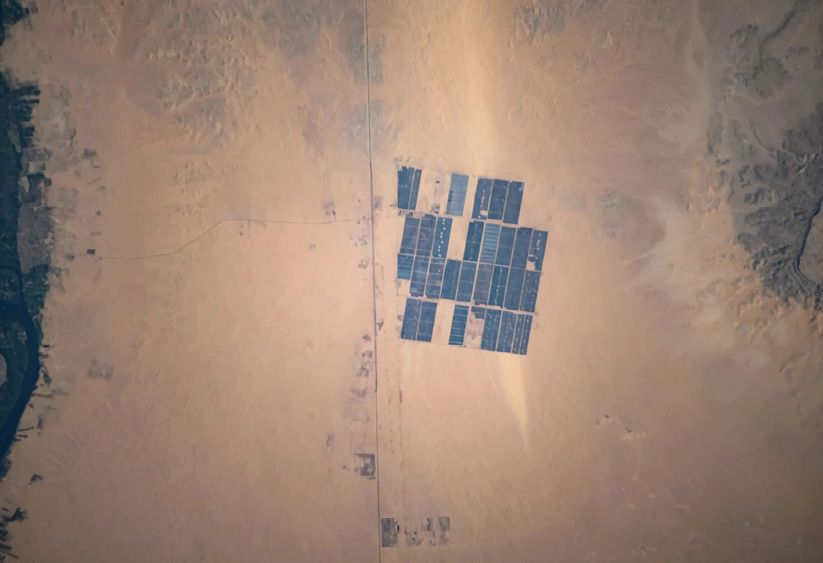
Solar energy uptake in MENA varies widely. Egypt and Jordan have embraced solar energy as part of their national energy strategies. Egypt’s 1.65 GW Benban Solar Park, one of the largest solar installations in the region, is an example of a successful implementation. This initiative underlines Egypt’s goal of generating 20% of its electricity from renewable energy sources, to be achieved in part by shifting subsidies from fossil fuels to clean energy.
Supporting the growth of solar energy
Policy reforms in the MENA region have gradually led to subsidy cuts and renewable energy targets. Energy subsidies, especially for fossil fuels, have historically distorted energy markets, reducing the competitiveness of renewables. Since the Arab Spring protest movement in the early 2010s, Egypt has pioneered cuts in subsidies and shifted financing to renewable energy sources. Jordan followed suit and reformed subsidies to reduce its dependence on imported fossil fuels and help accelerate solar energy adoption.
The UAE and Saudi Arabia have set ambitious goals to increase the share of renewable energy sources in their energy mix. Saudi Arabia’s Vision 2030 policy aims to generate 50% of the kingdom’s electricity from renewable energy sources by 2030. Supportive regulatory frameworks, including feed-in tariffs, net metering and auction-based project allocation, have promoted solar projects and integrated renewable energy sources into the national grid. . These measures also stimulate investment by lowering barriers to entry into the market and providing predictable returns.
Main challenges
Although MENA’s solar potential is undeniable, several barriers hinder rapid PV deployment. Many MENA countries face challenges in securing investments due to high risk perception and credit constraints that limit their access to commercial financing for renewable energy projects. Unlike oil-exporting countries like Saudi Arabia and the UAE, which benefit from strong credit ratings, countries like Jordan rely heavily on international financing to support their renewable energy initiatives.
Institutional capacity varies widely across the region, with some countries lacking the regulatory experience to effectively manage large-scale renewable projects. Complex approval processes and the lack of coordinated policy frameworks create administrative barriers, delay project implementation and reduce investor confidence.
Grid integration
A key technical challenge for solar expansion in the MENA region is limited grid infrastructure, especially in the remote desert areas where solar projects typically take place. Countries such as Morocco and Tunisia have invested in grid improvements to better integrate solar energy, but the high costs and technical complexity associated with rural electricity grid extensions remain a barrier. Without adequate grid connectivity, excess solar energy generation risks being lost, undermining the economic viability of solar projects.
The intermittent nature of solar energy generation requires advanced grid management and energy storage solutions to ensure consistent electricity supply. MENA countries should adopt electricity grid modernization practices, such as smart grids and energy storage technology, to facilitate the integration of renewable energy and increase the overall resilience of the electricity grid.
Energy security
With renewable energy capacity expected to triple by 2027, largely powered by solar energy, MENA countries can better insulate themselves from the volatile fossil fuel market and work towards their obligations under the Paris Agreement. MENA’s solar potential could transform the region into a major player in the global clean energy market. Initiatives such as the European Union’s “Risk of Energy Availability: Common Corridors for Europe Supply Security” project see the MENA region as a renewable energy exporter to Europe, capable of meeting up to 20% of the continent’s electricity needs by 2050 through intercontinental energy partnerships. That would increase MENA’s geopolitical influence.
The MENA region’s efforts to diversify solar energy use reflect the enormous potential of renewable energy sources and the urgent need for economic and environmental sustainability. Policy reforms, in particular subsidy cuts and ambitious renewable energy targets, are fundamental to the region’s energy transition. Success depends on addressing the financial, infrastructural and institutional challenges that limit solar deployment.
The proactive approach of oil-rich countries such as Saudi Arabia and the UAE illustrates how state investment can stimulate investment in renewable energy. The experiences of Egypt and Jordan highlight the importance of international partnerships to finance solar energy. With sustained policy commitment and strategic investments, MENA can unlock its solar potential, strengthen regional energy security and contribute to global climate goals.
About the author: Tannishtha Dasa research assistant for the Middle East Solar Industry Association (MESIA), collaborated on this article with executive director Hinde Liepmannsohn and digital marketing officer Sol Soufan. MESIA, the leading non-profit solar energy organization in the Middle East and North Africa, promotes solar energy growth, industry collaboration and progress through partnerships and educational initiatives.
The views and opinions expressed in this article are those of the author and do not necessarily reflect those of the author pv magazine.
This content is copyrighted and may not be reused. If you would like to collaborate with us and reuse some of our content, please contact: editors@pv-magazine.com.
Popular content