
Close Menu
  • News
  • Industry
  • Solar Panels
  • Commercial
  • Residential
  • Finance
  • Technology
  • Carbon Credit
  • More
    • Policy
    • Energy Storage
    • Utility
    • Cummunity
What's Hot

Dutch solar owners asked to switch off during peak periods to ease the distribution crisis

June 7, 2026

The hydrogen flow: Toyota demonstrates its racing prototype on liquid hydrogen

June 7, 2026

Era of electrification exposing Australia’s weakest link

June 6, 2026
Facebook X (Twitter) Instagram
Solar Energy News
Sunday, June 7
  • News
  • Industry
  • Solar Panels
  • Commercial
  • Residential
  • Finance
  • Technology
  • Carbon Credit
  • More
    • Policy
    • Energy Storage
    • Utility
    • Cummunity
Solar Energy News
Home - Technology - Solis introduces hybrid low-voltage inverters – SPE
Technology

Solis introduces hybrid low-voltage inverters – SPE

solarenergyBy solarenergyOctober 21, 2024No Comments3 Mins Read
Facebook Twitter Pinterest LinkedIn Tumblr Email
Share
Facebook Twitter LinkedIn Pinterest Email

The Chinese manufacturer said its new series includes inverters with AC power up to 15 kW. It supports a maximum input current of 20A.

October 21, 2024
Lior Kahana

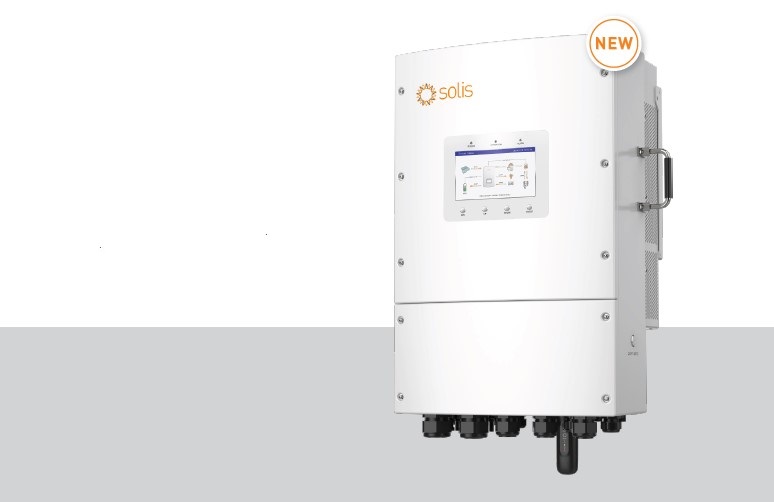
Chinese inverter supplier Solis has released a new series of three-phase hybrid low-voltage inverters.

The new S6-EH3P(8-15)K02-NV-YD-L series includes inverters with an AC power of 8 kW, 10 kW, 12 kW or 15 kW.

“A major advantage of using a low-voltage PV inverter is the ability to combine it with much cheaper low-voltage batteries,” a company spokesperson told PV Magazine. “The price gap between low and high voltage batteries is widening, while production costs for low voltage batteries continue to decline. The result is lower upfront costs for installations and equipment, making solar energy more accessible and affordable for homeowners and businesses.”

The new inverter supports a maximum input current of 20A, which according to the manufacturer is ideal for all powerful PV modules of any brand. The DC side of the battery can reportedly handle a maximum charge/discharge current of up to 290 A, allowing it to store more excess energy generated by PV systems.

The different models support a PV DC input of 12.8 kW, 16 kW, 19.2 kW or 24 kW. The maximum input current is 20 A or 40 A depending on the model, and the maximum short circuit current is rated at 30 A or 50 A. The output current is rated at 12.2 A-22.8 A and the efficiency is set at 97, 6. %.

“Multiple inverters can work together to form a microgrid,” the company said. “The product line supports dual backup ports for intelligent control of critical and non-critical loads. The system also has an overload capacity of 200% within ten seconds.”

See also  Solarpower Europe calls for heavy cyber rules after the Danish import probe - PV Magazine International

The inverters measure 43 cm x 66 cm x 30.5 cm and weigh 42 kg. Their operating temperature is estimated at -40 C to 60 C, and their maximum operating altitude is 4,000 m. They are all based on fan cooling.

“A major advantage of using a low-voltage PV inverter is the ability to combine it with much cheaper low-voltage batteries,” the company said. “Balancing batteries in a low-voltage system is easier and more efficient. It allows batteries to operate at optimal levels, extending their lifespan and ensuring reliable performance without the risk of over or undercharging.”

This content is copyrighted and may not be reused. If you would like to collaborate with us and reuse some of our content, please contact: editors@pv-magazine.com.

Popular content

Source link

hybrid introduces Inverters lowvoltage Solis SPE
Share. Facebook Twitter Pinterest LinkedIn Tumblr Email
solarenergy
  • Website

Related Posts

Cybersecurity concerns are stressing India’s supply of solar inverters

June 4, 2026

Pexapark registers 17 European PPAs for 966 MW in April – SPE

May 27, 2026

Saudi Arabia gets first BESS production facility – SPE

May 27, 2026
Leave A Reply Cancel Reply

Don't Miss
Policy

The latest NC Clean Energy report shows that utilities are concerned about load growth

By solarenergyMay 18, 20240

The NC Clean Energy Technology Center (NCCETC) has released the Q1 2024 edition of the…

Brazil can add 36.5 GW Solar by 2029, says Grid Operator – PV Magazine International

July 12, 2025

Segen launches a recycling program for solar panels

April 1, 2026

Anker SOLIX brings the latest solar and storage solutions to RE+ – SPE

September 10, 2024
Stay In Touch
  • Facebook
  • Twitter
  • Pinterest
  • Instagram
  • YouTube
  • Vimeo
Our Picks

Dutch solar owners asked to switch off during peak periods to ease the distribution crisis

June 7, 2026

The hydrogen flow: Toyota demonstrates its racing prototype on liquid hydrogen

June 7, 2026

Era of electrification exposing Australia’s weakest link

June 6, 2026

‘Come out from behind your screen, our industry is ultimately about people’

June 6, 2026
Our Picks

Dutch solar owners asked to switch off during peak periods to ease the distribution crisis

June 7, 2026

The hydrogen flow: Toyota demonstrates its racing prototype on liquid hydrogen

June 7, 2026

Era of electrification exposing Australia’s weakest link

June 6, 2026
About
About

Stay updated with the latest in solar energy. Discover innovations, trends, policies, and market insights driving the future of sustainable power worldwide.

Subscribe to Updates

Get the latest creative news and updates about Solar industry directly in your inbox!

Facebook X (Twitter) Instagram Pinterest
  • Contact
  • Privacy Policy
  • Terms & Conditions
© 2026 Tsolarenergynews.co - All rights reserved.

Type above and press Enter to search. Press Esc to cancel.