

Investment and support could make small-scale space-based solar energy (SBSP) viable, with potential for electricity generated in orbit to participate in the UK’s Contracts for Difference (CfD) programme, according to a new report. According to analysis, launch costs have the largest impact on the levelized cost of electricity (LCOE).
Sending electricity to Earth from space-based solar power plants could be economically competitive by 2040, according to a feasibility study commissioned by the British government.
The levelized cost of electricity (LCOE) for small-scale solar power plants in orbit is expected to fall over the next decade, from between GBP 0.0335 ($0.0455)/kWh and GBP 0.0595/kWh in 2030, to GBP 0.0087/kWh to GBP 0.0129/kWh in 2040. could make solar energy in space competitive with nuclear and tidal technologies, the researchers said. to the report.
Space-based solar power works by converting DC electricity into a radio frequency, transmitting it to Earth and converting it back to DC electricity at a receiving antenna. Companies developing space-based solar energy claim the technology can fill the generation gaps left by intermittent terrestrial renewables, but cost barriers, such as the price of launching into orbit, pose challenges.
The UK government feasibility study examined the feasibility of smaller-scale, proof-of-concept systems that could be deployed by the 2030s, comparing existing designs and modeling scenarios against 2024 values for a reference design using receivers in Aberdeen, UK; Edmonton, Canada; and Sapporo, Japan.
It found that solar panels in a high elliptical orbit could power the UK for 95.7% of an average year, with the potential to provide constant power when a battery energy storage system was installed at the receiving antenna.
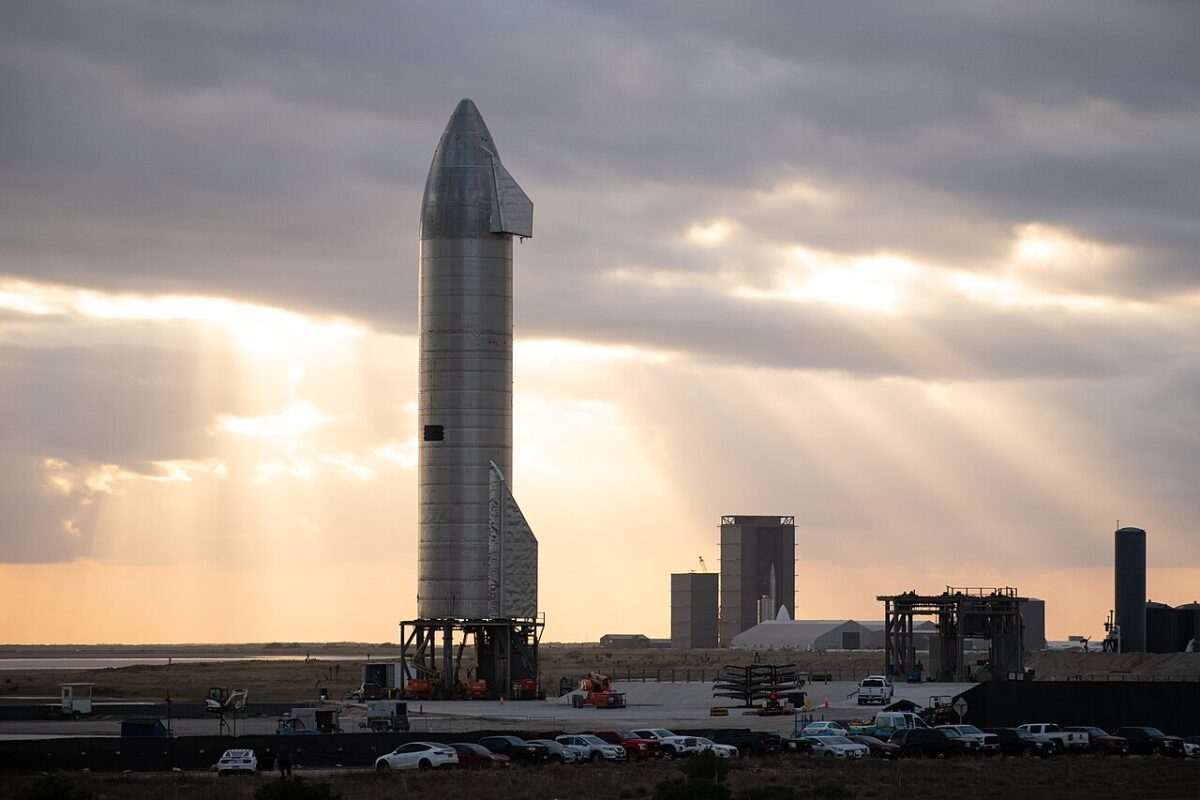
Launch costs will be critical to lowering the LCOE of solar energy in space. The study found that the launch was the most important cost driver, accounting for more than 50% of the variance in the LCOE. The costs in the study were based on the expected specifications for Starship – the large rocket being developed by SpaceX.
The UK government study assumes a low low-Earth launch cost of GBP 550/kg in the optimistic 2040 scenario and GBP 770/kg in the conservative scenario. The model also assumes that Starship will provide at least 100 tons of launch capacity into low Earth orbit (LEO), and that the cost of launching a Starship into low Earth orbit will decline linearly by 30% between 2030 and 2040.
It was expected that a significant drop in the hurdle rate – the minimum return investors need to accept a project – would also lead to falling costs. The study expected a decline in the threshold rate from 20% in 2030 to 9.1% in 2040. This would be driven by technical improvements and greater commercial viability.
Market opportunities for small-scale space-based solar could include the UK’s Contracts For Difference (CfD) auction, according to the report, which found the technology could be compatible with the state-backed support mechanism. Support services were seen as less lucrative opportunities, but the report did outline global market opportunities for UK-focused projects. These include supplying power to small island states, iron and steel production, mining, data centers and green hydrogen production. The report concludes that the first small-scale systems will require “significant public and private sector support” by 2030 and may be negligible by 2040.
Developing small-scale SBSP is likely to make large-scale systems more feasible, the study found, by improving technological performance and lowering the cost and risk profile for larger plants. Modeling predicted that deploying small-scale plants could reduce the LCOE for unique large-scale plants by between 16% and 27%.
The Department for Energy Security and Net Zero (DESNZ) commissioned in its space solar report to investigate the economic and technical feasibility of deploying small-scale systems due to their lower upfront costs and potential to reduce risk to large-scale systems in the future, and all monetary input into the model was given in 2024 GBP. The research was carried out by Fraser-Nash Consultancy, Space Solar Engineering Ltd and Imperial College London.
The complete “Feasibility of small-scale space-based solar energy systems (SBSP) for early market adoptionThe report can be downloaded from the UK government.
This content is copyrighted and may not be reused. If you would like to collaborate with us and reuse some of our content, please contact: editors@pv-magazine.com.
