
Close Menu
  • News
  • Industry
  • Solar Panels
  • Commercial
  • Residential
  • Finance
  • Technology
  • Carbon Credit
  • More
    • Policy
    • Energy Storage
    • Utility
    • Cummunity
What's Hot

Dutch solar owners asked to switch off during peak periods to ease the distribution crisis

June 7, 2026

The hydrogen flow: Toyota demonstrates its racing prototype on liquid hydrogen

June 7, 2026

Era of electrification exposing Australia’s weakest link

June 6, 2026
Facebook X (Twitter) Instagram
Solar Energy News
Monday, June 8
  • News
  • Industry
  • Solar Panels
  • Commercial
  • Residential
  • Finance
  • Technology
  • Carbon Credit
  • More
    • Policy
    • Energy Storage
    • Utility
    • Cummunity
Solar Energy News
Home - Technology - Spanish researchers claim that nest boxes in PV plants are often abused for Greenwashing – PV Magazine International
Technology

Spanish researchers claim that nest boxes in PV plants are often abused for Greenwashing – PV Magazine International

solarenergyBy solarenergyJune 20, 2025No Comments3 Mins Read
Facebook Twitter Pinterest LinkedIn Tumblr Email
Share
Facebook Twitter LinkedIn Pinterest Email

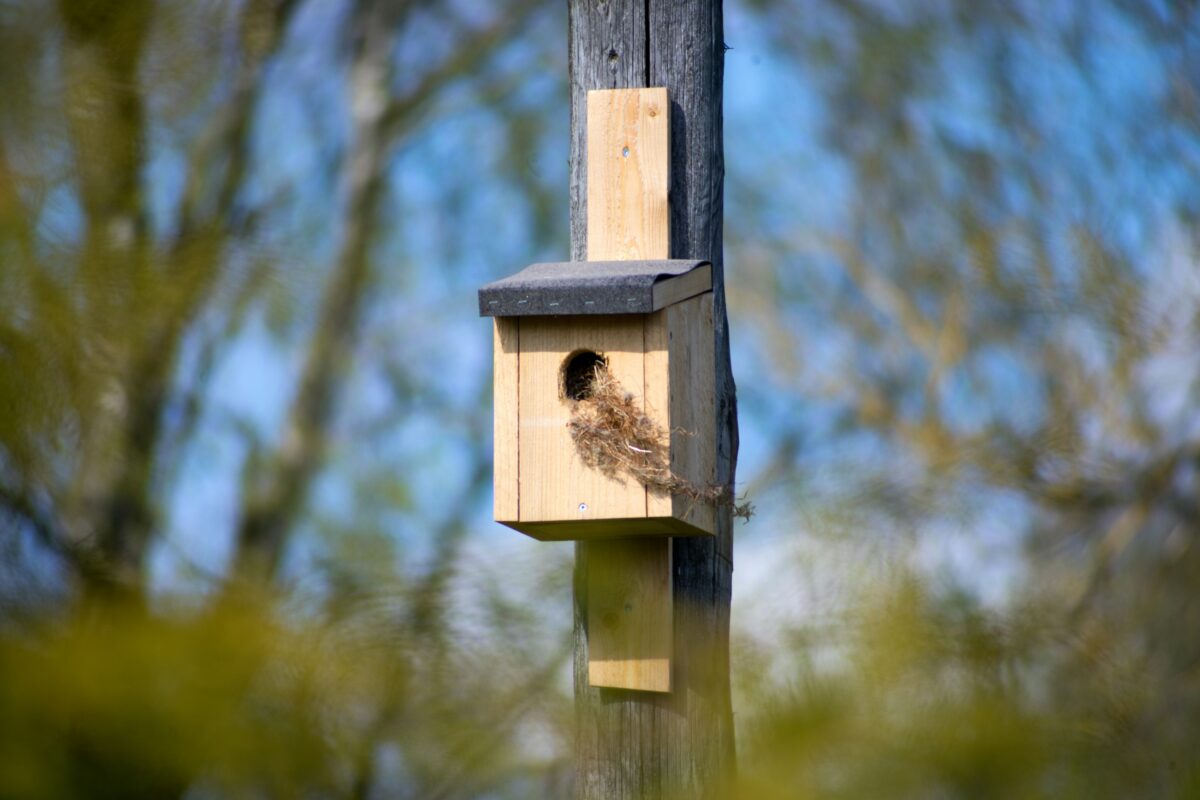
Researchers in Spain have warned that Nest-box installations at PV plants are often poorly planned or are used for Greenwashing, with boxes placed in unsuitable locations, incorrectly installed or missing monitoring after installation.

June 20, 2025
Pilar Sánchez Molina

By PV Magazine Spain

In Spain, current legislation stimulates and often requires energy companies to implement biodiversity offset measures, such as installing nest boxes. This practice is widely used in energy infrastructure and appears in a maximum of 85.6% of the PV plants.

The problem, according to new research by the Spanish National Research Council (CSIC) and the University of Extremadura, is that these measures are sometimes implemented without ecological justification.

The researchers said that most nest boxes were poorly designed, placed in unsuitable habitats and are intended for species that are not present in the area. They added that incorrect installation can create ecological traps and enables Greenwashing.

Through an extensive overview of environmental impact assessments (EIAs) for PV factories in Spain – the country with the greatest biodiversity in the European Union and the highest number of planned projects for renewable energy – the team investigated the ecological suitability of Nestbox installations.

Nest-box design and implementation often show recurring errors, the researchers said in ‘Nest-box provisioning as an offset or greenwashing practice in projects for renewable energy sources“ which was recently published in Biological preservation. In 42 of the 65 cases with species-specific nest boxes, they found no evidence that the target species in the area had bred before the PV factory was built.

See also  Baywa re commissions a 54 MW agrivoltaic site in Spain – SPE

Most PV plants in Spain are located in dry, semi-aride or steppe habitats, where measures that attract forest or generalist species can increase the presence of predators, making Steppe bird communities possibly harm. Of the sampled PV plants, 114 (87.7%) were within 3 km of areas that could accommodate Steppe prey species.

Nest boxes are also often placed on high densities and at visible locations, such as nearby roads and along PV factory edges, to publish compensatory actions.

“This location can have a negative influence on bird species that use the boxes for at least four reasons: a) Traffic noise can disrupt the nutritional behavior of adults and the development of chicks; b) proximity to roads increases the risk of vehicle collisions; c) High nest box density can attribute competitive species to reproductive access to the High visibility, high visibility, high visibility, high visibility and gaps. Deal. Deal. Deal. Dealing. Researchers.

They also saw that extremely high temperatures in nest boxes had caused the direct mortality of lesser tower chicks. Moreover, they noticed that Nest-Box materials can influence the microclimate conditions, which influences the development of ectoparasite.

This content is protected by copyright and may not be reused. If you want to work with us and reuse part of our content, please contact: editors@pv-magazine.com.

Popular content

Source link

abused boxes Claim Greenwashing International magazine nest plants researchers Spanish
Share. Facebook Twitter Pinterest LinkedIn Tumblr Email
solarenergy
  • Website

Related Posts

The U.S. International Trade Commission is expanding tariffs on Chinese and Taiwanese solar imports

May 29, 2026

Storing sustainable energy with compressed air in district heating pipelines – SPE

May 26, 2026

Türkiye reduces network costs for around 800 unlicensed solar power plants – SPE

May 26, 2026
Leave A Reply Cancel Reply

Don't Miss
News

OpenSolar -data can now connect to other essential online tools via Pale Blue Dawn

By solarenergyMarch 21, 20250

TEchnology Company Pale Blue Dawn became an integration partner for OpenSolar and connected the leading…

Philippines complete the first MW scale Floating Solar Array-PV Magazine International

August 10, 2025

Roltec Plant Cigs Solar Module Factory in Poland – PV Magazine International

May 20, 2025

Wooden PV canopy for EV charging station in Austria – SPE

December 31, 2024
Stay In Touch
  • Facebook
  • Twitter
  • Pinterest
  • Instagram
  • YouTube
  • Vimeo
Our Picks

Dutch solar owners asked to switch off during peak periods to ease the distribution crisis

June 7, 2026

The hydrogen flow: Toyota demonstrates its racing prototype on liquid hydrogen

June 7, 2026

Era of electrification exposing Australia’s weakest link

June 6, 2026

‘Come out from behind your screen, our industry is ultimately about people’

June 6, 2026
Our Picks

Dutch solar owners asked to switch off during peak periods to ease the distribution crisis

June 7, 2026

The hydrogen flow: Toyota demonstrates its racing prototype on liquid hydrogen

June 7, 2026

Era of electrification exposing Australia’s weakest link

June 6, 2026
About
About

Stay updated with the latest in solar energy. Discover innovations, trends, policies, and market insights driving the future of sustainable power worldwide.

Subscribe to Updates

Get the latest creative news and updates about Solar industry directly in your inbox!

Facebook X (Twitter) Instagram Pinterest
  • Contact
  • Privacy Policy
  • Terms & Conditions
© 2026 Tsolarenergynews.co - All rights reserved.

Type above and press Enter to search. Press Esc to cancel.