
Close Menu
  • News
  • Industry
  • Solar Panels
  • Commercial
  • Residential
  • Finance
  • Technology
  • Carbon Credit
  • More
    • Policy
    • Energy Storage
    • Utility
    • Cummunity
What's Hot

Dutch solar owners asked to switch off during peak periods to ease the distribution crisis

June 7, 2026

The hydrogen flow: Toyota demonstrates its racing prototype on liquid hydrogen

June 7, 2026

Era of electrification exposing Australia’s weakest link

June 6, 2026
Facebook X (Twitter) Instagram
Solar Energy News
Sunday, June 7
  • News
  • Industry
  • Solar Panels
  • Commercial
  • Residential
  • Finance
  • Technology
  • Carbon Credit
  • More
    • Policy
    • Energy Storage
    • Utility
    • Cummunity
Solar Energy News
Home - Technology - String inverters are best for partially shaded PV systems, says IEA-PVPS – SPE
Technology

String inverters are best for partially shaded PV systems, says IEA-PVPS – SPE

solarenergyBy solarenergyDecember 6, 2024No Comments2 Mins Read
Facebook Twitter Pinterest LinkedIn Tumblr Email
Share
Facebook Twitter LinkedIn Pinterest Email

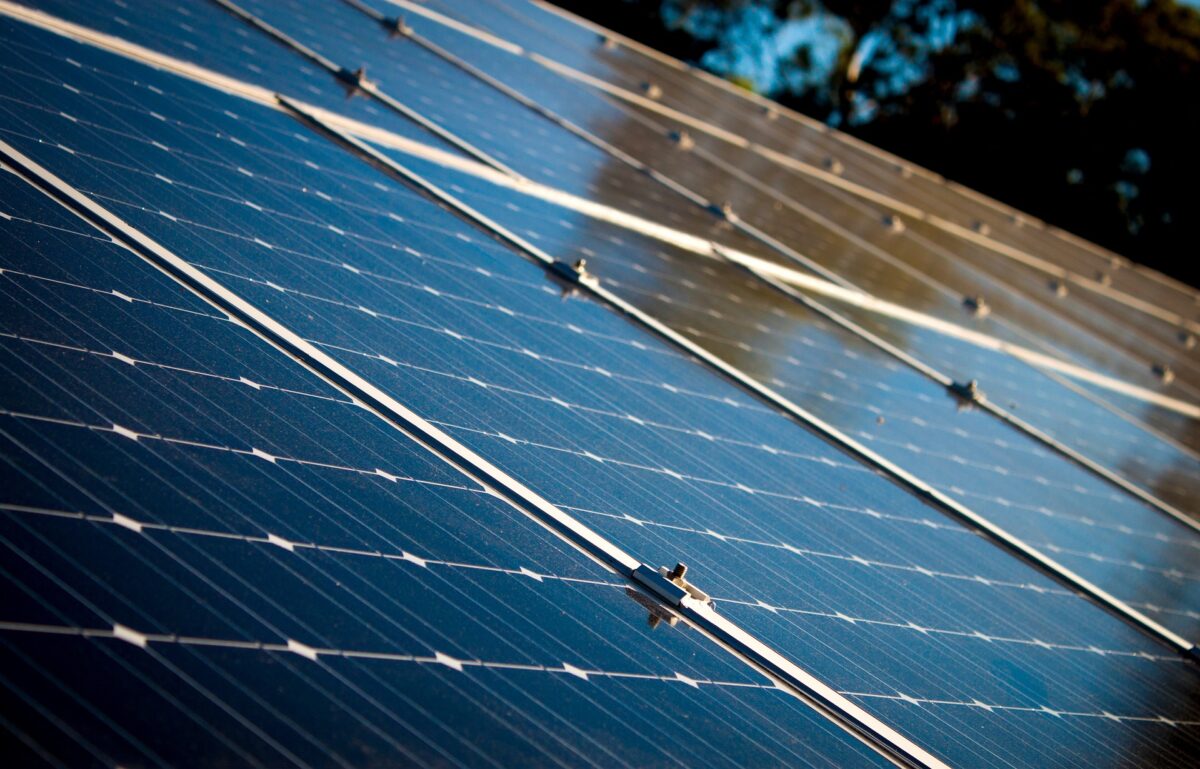
The International Energy Agency’s (IEA) Photovoltaic Power Systems Program (PVPS) has released a technical report examining innovations and challenges in optimizing the performance of partially shaded PV systems.

December 6, 2024
Patrick Jowett

Conventional string inverters (SINV) can outperform module-level power electronics (MLPE) in partially shaded PV generators, according to the latest insights. IEA-PVPS report.

The technical report, “Performance of partially shaded PV generators powered by optimized power electronics 2024”, describes the current challenges of partial shading in PV systems and evaluates the latest technological innovation for optimizing energy performance under such conditions.

IEA-PVPS said that inhomogeneous shading on PV generators leads to disproportionately high losses. It was explained that a combination of optimized module placement, the use of shade-tolerant modules and optimized power electronics can help maximize the performance of partially shaded installations.

It said the use of shade-tolerant PV modules, which typically have four or more bypass diodes instead of three, is necessary. A greater number of bypass diodes per module makes it possible to selectively bypass less efficient parts of the modules, leading to an increase in module yield. It added that the first manufacturers are starting to bring such modules to the market.

The report stated that SINV produces the highest yields under weak to medium shade, such as light obstructions from a chimney or module. This applies when shade does not cover more than one-tenth of a module in the string at any one time during the six hours around noon.

IEA-PVPS said commercial PV software tools most improve theirs Component efficiency data and calculations for the operating points of each optimizer based on each solar cell within a module, so PV planners can provide customers with the most optimal PV design under partial shade conditions.

See also  First attempt to build perovskite-antimony selenide tandem solar cell delivers 20.58% efficiency – SPE

The report also highlighted ongoing research aimed at reducing PV shadow effects, including developing advanced power electronics for individual solar cells and optimizing single-axis mechanical tracking systems for large-scale PV installations on uneven terrain.

This content is copyrighted and may not be reused. If you would like to collaborate with us and reuse some of our content, please contact: editors@pv-magazine.com.

Popular content
Source link

IEAPVPS Inverters partially shaded SPE String systems
Share. Facebook Twitter Pinterest LinkedIn Tumblr Email
solarenergy
  • Website

Related Posts

Cybersecurity concerns are stressing India’s supply of solar inverters

June 4, 2026

Pexapark registers 17 European PPAs for 966 MW in April – SPE

May 27, 2026

Saudi Arabia gets first BESS production facility – SPE

May 27, 2026
Leave A Reply Cancel Reply

Don't Miss
Solar Industry

New test method for solar water pumps

By solarenergyNovember 6, 20240

An international research group has proposed a low-cost testing methodology for solar-powered water pumping systems…

Octopus Energy invests $1 billion in clean technology in California – SPE

February 17, 2026

China will impose stricter requirements on PV production

July 10, 2024

World’s largest vanadium redox power project completed – SPE

December 10, 2024
Stay In Touch
  • Facebook
  • Twitter
  • Pinterest
  • Instagram
  • YouTube
  • Vimeo
Our Picks

Dutch solar owners asked to switch off during peak periods to ease the distribution crisis

June 7, 2026

The hydrogen flow: Toyota demonstrates its racing prototype on liquid hydrogen

June 7, 2026

Era of electrification exposing Australia’s weakest link

June 6, 2026

‘Come out from behind your screen, our industry is ultimately about people’

June 6, 2026
Our Picks

Dutch solar owners asked to switch off during peak periods to ease the distribution crisis

June 7, 2026

The hydrogen flow: Toyota demonstrates its racing prototype on liquid hydrogen

June 7, 2026

Era of electrification exposing Australia’s weakest link

June 6, 2026
About
About

Stay updated with the latest in solar energy. Discover innovations, trends, policies, and market insights driving the future of sustainable power worldwide.

Subscribe to Updates

Get the latest creative news and updates about Solar industry directly in your inbox!

Facebook X (Twitter) Instagram Pinterest
  • Contact
  • Privacy Policy
  • Terms & Conditions
© 2026 Tsolarenergynews.co - All rights reserved.

Type above and press Enter to search. Press Esc to cancel.