

Taiwan is making significant progress toward its net-zero emissions goal by implementing a comprehensive carbon pricing mechanism. At a recent forum, officials and industry experts highlighted the country’s efforts to advance its carbon market through strategic partnerships and regulatory updates. Major announcements included the launch of innovative carbon credit projects and updates on Taiwan’s integration with international carbon pricing mechanisms.
Carbon pricing, whether through carbon taxes or emissions trading systems (ETS), plays a crucial role in reducing emissions and promoting low-emissions development. There are currently 75 carbon tax and ETS initiatives active worldwide. In Asia, Japan, South Korea, Singapore and China have already implemented these systems. Meanwhile, Thailand, Vietnam, Indonesia and Malaysia are planning their implementation.
Prices and coverage within the ETS and CO2 taxes, from April 1, 2024
Credit: World Bank
Taiwan is closely monitoring the development of the EU’s Carbon Border Adjustment Mechanism (CBAM), which will introduce carbon taxes on imported goods from 2026. The steel industry is particularly vulnerable to these changes. The Clean Competition Act, introduced by the US Senate and called the US version of CBAM, will require US Customs to immediately start collecting carbon tariffs from 2024, without any transition period, once it is passed into law.
Taiwan’s Ministry of Environment recently released three drafts of the carbon tax rules. Huang Wei-Ming, deputy director general of the Climate Change Administration, in his response to the evolving carbon pricing landscape, underlined Taiwan’s strategy to implement a system of carbon taxes with an initial focus on economic incentives instead of a fiscal instrument. The aim is to achieve emissions reductions through a phased approach, aiming for substantial progress by 2030. The system includes a risk coefficient for carbon leakage industries, drawing parallels with the CBAM regulations, which will completely phase out free allowances by 2034.
“Taiwan’s carbon pricing policy aims to cover about 50% of the country’s emissions, incentivizing a broader range of participants, including smaller emitters,” Huang noted. The policy includes incentives for voluntary reduction plans and sets different rates based on the risk of carbon leakage, encouraging compliance and innovation in emissions reduction. Carbon fee revenues will be managed by a dedicated fund, with plans to reinvest in low-carbon technology research and development, as well as support for a just transition for affected industries.
The carbon price levels and the coverage of the applied carbon taxes and ETS

Credit: World Bank
Jennifer Wang, Executive Vice President at TÜV Rheinland Taiwan, emphasized the urgency for companies to decarbonize, citing the potential costs of carbon taxes, reputational risks and supply chain demands from major brands. “The key for companies is to quantify their emissions through carbon footprint, implement reduction measures supported by government incentives and green financing, and continuously verify their progress,” Wang advised. She emphasized that reducing CO2 emissions entails significant costs, which vary depending on the measures implemented. Both carbon taxes on exported products and domestic carbon taxes contribute to these costs, necessitating accelerated carbon reduction efforts by companies.
The importance of the availability of green energy for maintaining industrial competitiveness was also emphasized. The Taiwanese government supports this through substantial subsidies, including multibillion-dollar programs to help companies obtain third-party certifications, such as those offered by TÜV Rheinland. “More than 1,500 Taiwanese companies have adopted the Science-Based Targets Initiative (SBTI) targets. Companies that meet SBTI requirements could benefit from significantly lower carbon rates, potentially up to a 50% discount,” Sammy points out Su, head of sustainability strategy at TÜV Rheinland Taiwan. . This initiative aligns Taiwan’s carbon pricing mechanisms with global standards, ensuring compliance and competitiveness in international markets.

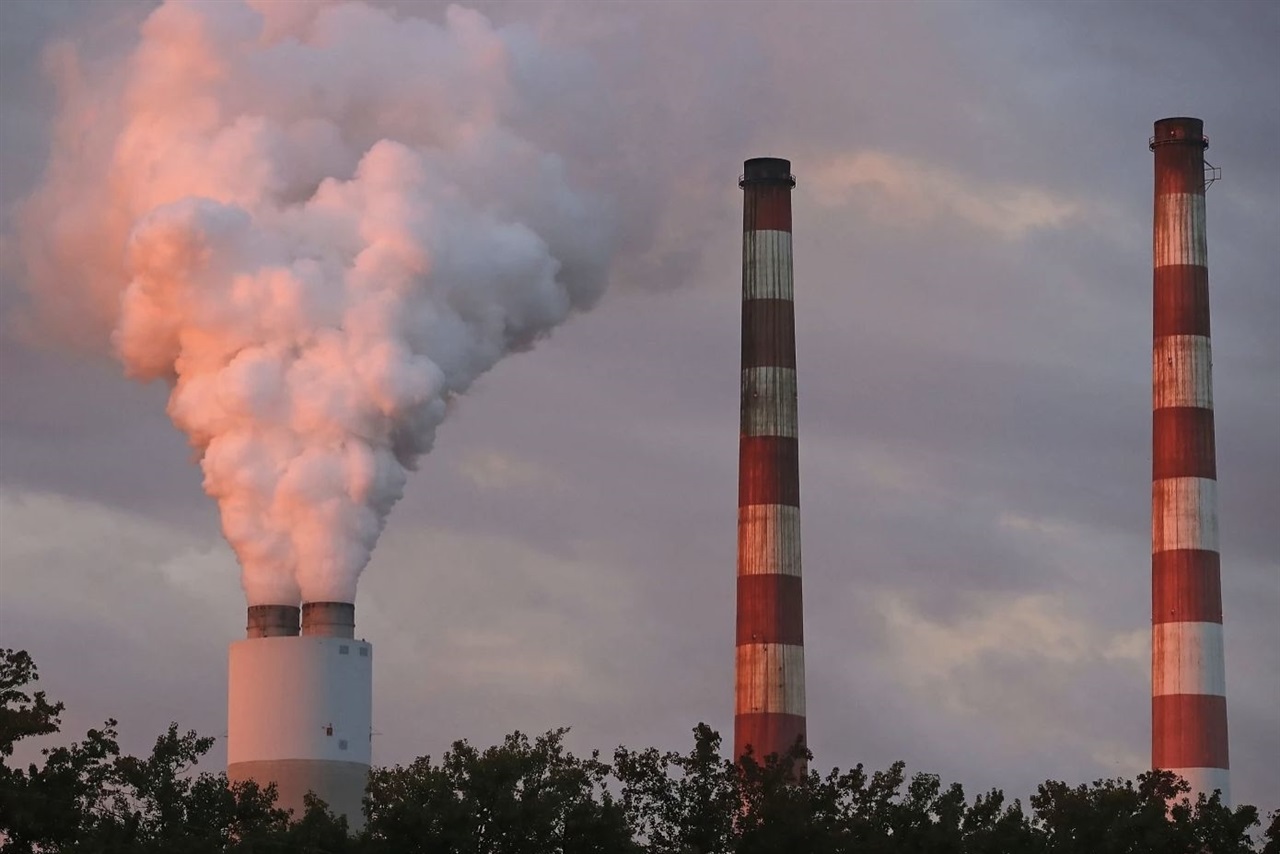
Credit: Bloomberg
Joshua Tien, CEO of the Taiwan Carbon Solution Exchange (TCX), highlighted the growing market for voluntary carbon credits. TCX partners with Verra, an international carbon certification body, to offer nature-based carbon removal projects. The Myanmar Mangrove Blue Carbon Project, launched on June 13, is the first nature-based carbon dioxide removal initiative. Research shows that mangroves can store three to five times more carbon than tropical forests, improving both carbon reduction and biodiversity.
As the world moves towards net-zero emissions, Taiwan’s carbon pricing system represents a critical step in supporting the competitiveness of its industries while contributing to global climate action.
