

The path to a clean energy future is not only determined by technology, but is shaped by people. The energy transition must proceed quickly, and diversity is one of the levers that ensure that it proceeds faster.
When teams are gender diverse, R&D produces better solutions because more problem frameworks are tested. Various policy teams are designing fairer incentives so that adoption spreads beyond the early adopters. Projects with inclusive community involvement are set up, projects without inclusive community involvement are blocked. Products designed by mixed teams work for more people, accelerating adoption. Built by diverse data teams, Grid AI predicts more accurately and prices more fairly, meaning less energy is wasted and fewer people are left behind.
A broader vision means more appropriate solutions. And in an industry as complex and urgent as ours, spanning solar, storage, EV charging and grid infrastructure, that difference is critical.
The barriers that we do not name, but that we feel every day
Looking back on my career, I can say that I was lucky in one fundamental respect: at home, curiosity was never gendered. I had full support to follow the science wherever it led, and no one ever suggested it wasn’t for me.
The barriers I encountered were never dramatic, they were cumulative. Talking about it does not fit the unspoken archetype of a researcher, the daily friction that no one thinks they can name. I was told the problem was trust, but that is causing it to deteriorate. If a system indicates that you do not belong, taking a step back is a rational response and not a personal shortcoming.
Then there are the structural realities: career breaks, caregiving responsibilities, moving up the ranks, and finding myself the only woman in the room. It all adds up over time.
But through it all, I have always carried my father’s voice with me: you can just do it. And I did.
Leadership: where inclusion becomes the method
Breaking traditional barriers has taught me that leadership is not about authority, but about the environment you create.
My first lesson was that psychological safety is not just a compliance checkbox. It is the culture that makes teams honest. Trust is the currency that opens doors that no contract can provide. Creating a space where people truly feel safe with each other changes everything.
The second lesson is communication. Creating both formal and informal channels for people to feel a sense of belonging, where they can laugh together, share fears and truly participate in decisions, ensures that every voice is heard and no one is left in the dark.
And the deepest lesson: inclusivity is not the finish line, it is the method. Leaders who understand this don’t just build better projects. They build teams that are resilient enough to support long-term thinking. And in an industry driven by innovation, that resilience is everything.
Mentorship: the invisible architecture of growth
I never had a formal mentor, but informal mentors shaped everything.
The colleague who gave honest feedback that no one else would give. The senior person who quietly put your name in a room you weren’t invited to. The coworker who told you how things actually work before you found out the hard way. I could fill a page with names, and they will recognize themselves when they read this. Those moments were never small. They were everything.
At some point the roles changed and I became the mentor. And then I discovered something unexpected: mentorship is completely win-win. Guiding young students, especially women, and seeing them find their voice and fly is more rewarding than necessary.
Mentorship does not flow in one direction. The more you give, the more you receive.
Building inclusion through everyday decisions
As a leader, fostering an inclusive culture starts with observation. Before you make any changes, determine what is really happening around you.
Who speaks during meetings and who is interrupted? Who takes the notes? Who presents at conferences, gets mentioned on papers or gets nominated for awards? Visibility increases over a career, and if the same profiles remain in the spotlight, the system reinforces itself regardless of intentions.
Then comes action. Diversify recruitment panels. Sponsor, don’t just be a mentor. Normalize non-linear careers and part-time work by modeling it yourself. Create informal spaces, lunches and walks, because belonging is often built into the gaps between formal structures.
And most importantly, state things gently but consistently. Culture is not shaped by grand gestures. It’s made up of hundreds of little moments, well handled.
To the next generation: don’t cower
Diversity is not just a requirement for fairness; it is a resilience strategy. It brings a broader range of views, approaches and adaptability that makes teams stronger and better equipped to deal with complexity.
So my advice to any young woman entering this industry is simple: don’t cringe at a room that was built without you in mind. And don’t change yourself to be accepted in it. Not what you look like. Not how you dress. Not how you talk. Your different perspective, your way of seeing problems, your lived experience, that is not a weakness to deal with. It is exactly what makes teams more resilient and creative.
The world doesn’t need more people who look the same and think the same. It needs you, just the way you are. Own it.
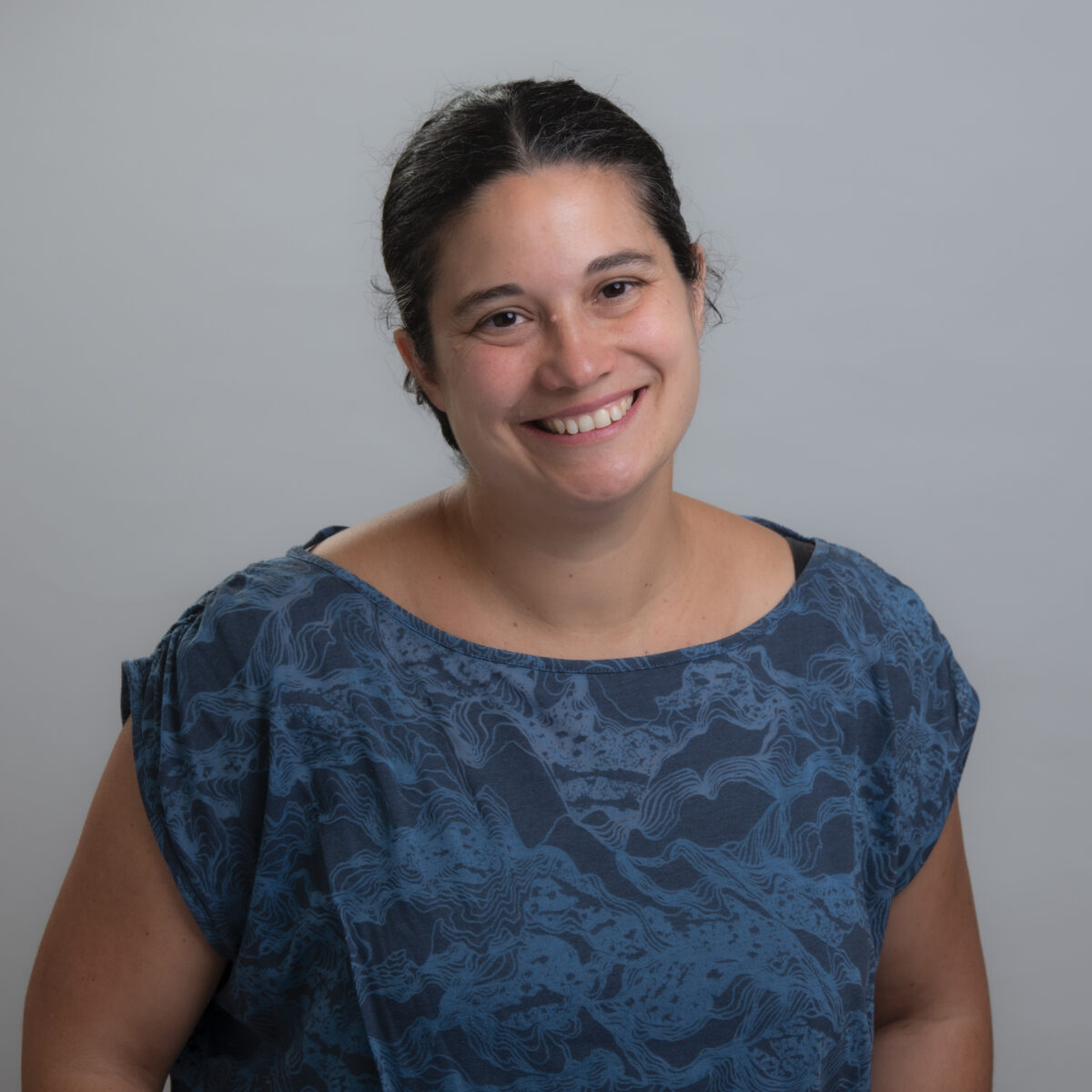
Delfina Muñoz is research director and strategic project manager at CEA-LITEN’s solar energy department. An industrial engineer with a PhD in solar photovoltaics from the Universidad Politécnica de Cataluña, she has built a research portfolio that includes more than 90 publications and 100 conference presentations focused on photovoltaic science and materials. Internationally, she is co-chair of ETIP-PV, sits on steering committees of major PV workshops and will co-chair WCPEC 2026 in Korea, one of the most prestigious meetings in this field. In addition to her strategic and leadership responsibilities, she remains hands-on in the laboratory, supervising PhD students and driving the next generation of photovoltaic technology.
Interested in participating Delfina Muñoz and other female market leaders and experts at Women in Solar+ Europe? More information: www.wiseu.network
The views and opinions expressed in this article are those of the author and do not necessarily reflect those of the author pv magazine.
This content is copyrighted and may not be reused. If you would like to collaborate with us and reuse some of our content, please contact: editors@pv-magazine.com.
