
Close Menu
  • News
  • Industry
  • Solar Panels
  • Commercial
  • Residential
  • Finance
  • Technology
  • Carbon Credit
  • More
    • Policy
    • Energy Storage
    • Utility
    • Cummunity
What's Hot

Lithuanian grid operators can now shut down solar power plants without cybersecurity measures

June 8, 2026

Dutch solar owners asked to switch off during peak periods to ease the distribution crisis

June 7, 2026

The hydrogen flow: Toyota demonstrates its racing prototype on liquid hydrogen

June 7, 2026
Facebook X (Twitter) Instagram
Solar Energy News
Monday, June 8
  • News
  • Industry
  • Solar Panels
  • Commercial
  • Residential
  • Finance
  • Technology
  • Carbon Credit
  • More
    • Policy
    • Energy Storage
    • Utility
    • Cummunity
Solar Energy News
Home - News - The SFU report calls on Canada to prioritize large-scale solar energy projects
News

The SFU report calls on Canada to prioritize large-scale solar energy projects

solarenergyBy solarenergyDecember 16, 2024No Comments3 Mins Read
Facebook Twitter Pinterest LinkedIn Tumblr Email
Share
Facebook Twitter LinkedIn Pinterest Email

The SFU report calls on Canada to prioritize large-scale solar energy projects


Canada should accelerate its transition to green energy by focusing on large utility-scale solar projects, according to a new report from Simon Fraser University’s Clean Energy Research Group (CERG).

The report, published in *Solar Compass*, evaluates the current state of solar energy in Canada, comparing the benefits of expansive utility-scale solar farms versus smaller, decentralized systems such as residential and commercial rooftop panels.

“Solar energy has major advantages over wind, geothermal and nuclear energy as a renewable energy source,” said Anil Hira, director of CERG and professor of political science at SFU. “The cost of installing solar panels has fallen by approximately 90 percent over the past ten years. Globally, solar energy generates about four percent of electricity, but in Canada it contributes only 0.5 percent. Focusing on utility-scale solar projects could significantly diversify the Canadian sector. energy mix, reducing over-reliance on hydropower and reducing intermittent issues with wind.”

The study attributes Canada’s lagging solar adoption to policies that prioritize smaller, decentralized projects. These smaller systems are politically attractive because they stimulate individual and business investments and make use of existing infrastructure such as roofs. However, Hira and his co-authors argue that this approach falls short of addressing the broader goals of a green energy transition.

Decentralized solar energy systems, the report notes, tend to fragment electricity systems, create equity gaps and fail to produce sufficient energy. Wealthier homeowners and larger businesses are better positioned to invest in such systems, while many regions lack ideal conditions for solar energy generation. In contrast, utility-scale solar farms are on average 64 percent cheaper than residential systems and 50 percent cheaper than commercial installations.

See also  Puerto Rico's coalition is speaking out to protect solar net metering from regulatory attacks

While large-scale solar projects face challenges, including high upfront costs, public opposition and land use concerns, the report finds many of these obstacles are overstated. “The amount of land required for large-scale solar energy to have a significant impact is far less than people assume,” the authors noted, adding that innovative solutions could enable dual-use land uses where solar panels are deployed installed. The report suggests the use of public lands for such projects to minimize community opposition.

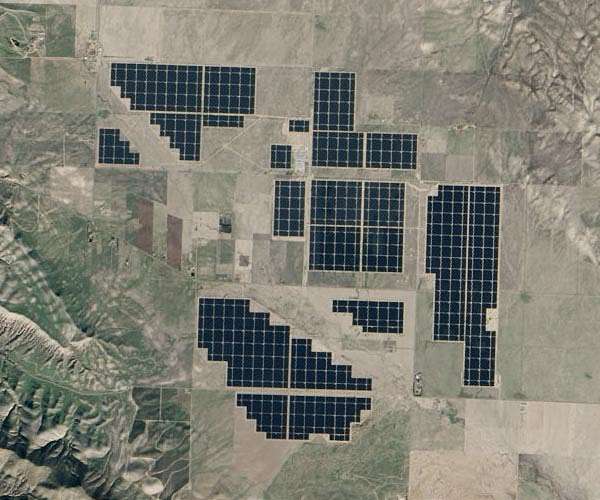
Examples from the United States illustrate the potential of large-scale solar parks. The Solar Star project in California, with 1.7 million panels over a distance of 13 kilometers, generates 579 megawatts of power – enough for 255,000 homes. The Mesquite Solar 1 power plant in Arizona, built in 2013, produces 150 megawatts at a cost of $600 million, supported by a $337 million U.S. Department of Energy loan.

The study calls for proactive government policies and financial support to overcome development barriers for utility-scale solar projects. “While all scales of solar deployment play a role, national policies should prioritize the rapid rollout of utility-scale projects in areas with optimal sunlight,” said Prasanna Krishnan, co-author of CERG. “Comprehensive interconnection reform and support for large-scale solar farms would transform Canada’s electricity systems.”

Research report:The macro view of solar policy: the case for supporting utility-scale energy


Source link

calls Canada Energy largescale prioritize projects report SFU solar
Share. Facebook Twitter Pinterest LinkedIn Tumblr Email
solarenergy
  • Website

Related Posts

Lithuanian grid operators can now shut down solar power plants without cybersecurity measures

June 8, 2026

Dutch solar owners asked to switch off during peak periods to ease the distribution crisis

June 7, 2026

Britain’s next energy dependency is already taking shape

June 5, 2026
Leave A Reply Cancel Reply

Don't Miss
Residential

Sunnova cuts 15% of workforce to ‘focus on capital efficiency’

By solarenergyFebruary 18, 20250

Solar services company Sunnova Energy announced it would cut 300 jobs to reduce costs and…

In the US, saving money is the main reason to embrace solar energy

April 25, 2025

Senate approves the budget law without the excise duty of solar energy

July 2, 2025

European Commission launches first H2 tender – SPE

November 14, 2025
Stay In Touch
  • Facebook
  • Twitter
  • Pinterest
  • Instagram
  • YouTube
  • Vimeo
Our Picks

Lithuanian grid operators can now shut down solar power plants without cybersecurity measures

June 8, 2026

Dutch solar owners asked to switch off during peak periods to ease the distribution crisis

June 7, 2026

The hydrogen flow: Toyota demonstrates its racing prototype on liquid hydrogen

June 7, 2026

Era of electrification exposing Australia’s weakest link

June 6, 2026
Our Picks

Lithuanian grid operators can now shut down solar power plants without cybersecurity measures

June 8, 2026

Dutch solar owners asked to switch off during peak periods to ease the distribution crisis

June 7, 2026

The hydrogen flow: Toyota demonstrates its racing prototype on liquid hydrogen

June 7, 2026
About
About

Stay updated with the latest in solar energy. Discover innovations, trends, policies, and market insights driving the future of sustainable power worldwide.

Subscribe to Updates

Get the latest creative news and updates about Solar industry directly in your inbox!

Facebook X (Twitter) Instagram Pinterest
  • Contact
  • Privacy Policy
  • Terms & Conditions
© 2026 Tsolarenergynews.co - All rights reserved.

Type above and press Enter to search. Press Esc to cancel.