

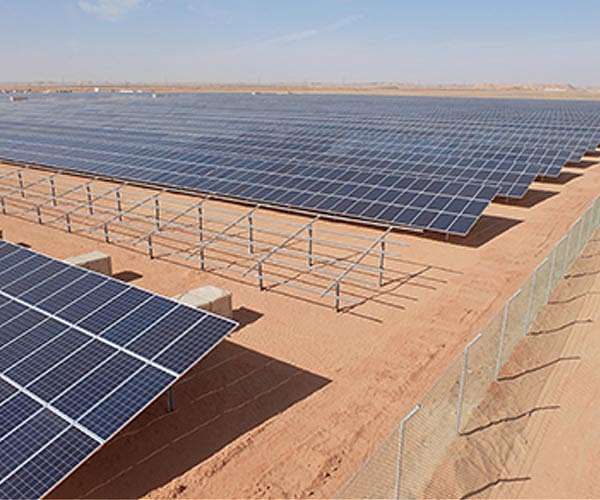
The Instrumentation and Industrial Electronics research group of the University of Cordoba has implemented a sensor-based system for monitoring solar power plants. This network collects energy and meteorological data every tenth of a second. The team applied new software implementations to existing measurement equipment, referred to as Extended Phasor Measurement Units. These units record detailed parameters including current, voltage, frequency and solar radiation.
Monthly data output reaches two to three gigabytes, as a result of the fine-tuned synchronization of the devices across multiple solar locations. The data collected supports performance analysis and short-term forecasting of plant production. It also aims to improve the accuracy of energy price auctions by providing timely updates on the condition of installations.
“Because it involves closely monitoring the systems to collect as much information as possible and to be able to respond to any negative effects that could affect the stability of the electricity grid,” explains researcher Victor Pallares Lopez. Improved monitoring allows operators to respond quickly by disconnecting affected components to prevent disruptions from spreading to the broader power grid.
The system has undergone laboratory testing and field implementation at two facilities in Pozoblanco. The research team is currently analyzing the data collected as part of a national project entitled Edge Management of Photovoltaic Installations, based on an analytical architecture with almost perfect temporal precision, reference PID2024-158091OB-C21.
Research report:Implementation and characterization of a high-precision monitoring system for photovoltaic power plants using home-made Phasor measuring units
