Close Menu
  • News
  • Industry
  • Solar Panels
  • Commercial
  • Residential
  • Finance
  • Technology
  • Carbon Credit
  • More
    • Policy
    • Energy Storage
    • Utility
    • Cummunity
What's Hot

Dutch solar owners asked to switch off during peak periods to ease the distribution crisis

June 7, 2026

The hydrogen flow: Toyota demonstrates its racing prototype on liquid hydrogen

June 7, 2026

Era of electrification exposing Australia’s weakest link

June 6, 2026
Facebook X (Twitter) Instagram
Solar Energy News
Monday, June 8
  • News
  • Industry
  • Solar Panels
  • Commercial
  • Residential
  • Finance
  • Technology
  • Carbon Credit
  • More
    • Policy
    • Energy Storage
    • Utility
    • Cummunity
Solar Energy News
Home - Solar Industry - The threatened Trump tariffs are causing a rush on imports and increasing shipping costs
Solar Industry

The threatened Trump tariffs are causing a rush on imports and increasing shipping costs

solarenergyBy solarenergyNovember 20, 2024No Comments3 Mins Read
Facebook Twitter Pinterest LinkedIn Tumblr Email
Share
Facebook Twitter LinkedIn Pinterest Email

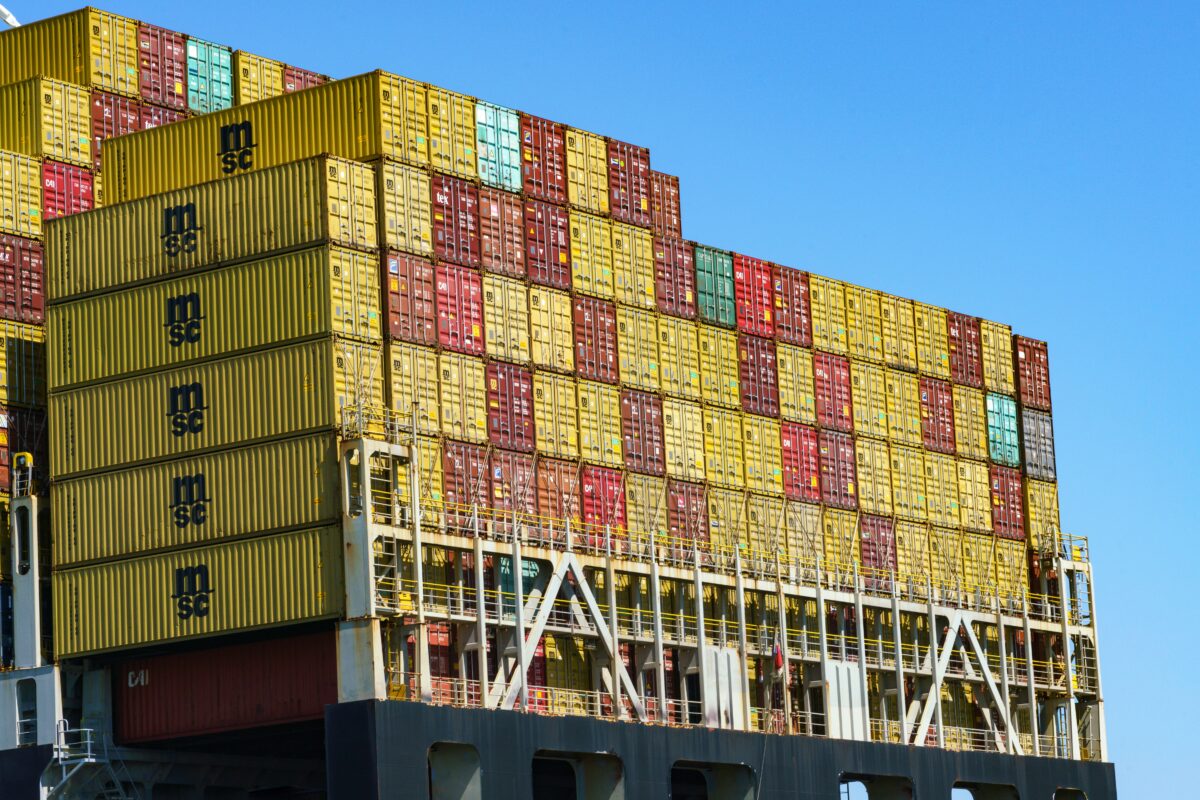
Freight costs are rising as companies rush to import goods ahead of higher tariffs that newly-elected US President Donald Trump has promised on Chinese and European products.

November 19, 2024
Emiliano Bellini

Image: Catherin Kerrs, Unsplash

Xeneta, a Norwegian platform for comparing sea and freight rates, has warned that spot rates for container shipping could rise following the recent re-election of Donald Trump as the next US president.

“Trump has promised blanket tariffs of up to 20% on all US imports and additional tariffs of 60% to 100% on goods from China,” the company said in a statement. “Data from Xeneta – the maritime and air freight intelligence platform – shows that the last time Trump raised tariffs on Chinese imports during the trade war in 2018, freight rates for shipping containers rose by more than 70%.”

Xeneta said companies are rushing imports to avoid higher tariffs, as U.S. importers and exporters brace for rising shipping container rates. The company notes that a repeat of 2018 is unlikely as early sourcing of imports is expected to play a greater role this time.

“Risk management has been a huge element for container shipping professionals in recent months,” said Peter Sand, the company’s chief analyst. pv magazine. “First there was the strike in the American ports on the east coast and the Gulf, and a month later the American presidential elections. With the uncertainty surrounding the outcome of the election quickly passing, the focus can now turn to implementing the contingency plans that have been put in place for how to manage the transition from the current tariff regime to the next.”

See also  Iraq reduces solar energy import tariffs to 5%

Sand explained that U.S. retailers have been building inventory throughout the year in response to disruptions in the Red Sea, putting importers in a position to act strategically. He noted that there is little evidence of a significant increase in activity at this stage.

“In particular, freight rates for container transport to the US from the Far East/China have increased by $150 per piece [40-foot equivalent unit] to the East Coast, while rates to the West Coast have fallen by the same amount over the past three months,” he added.

Shipping costs have increased significantly in the first half of 2024 to the Red Sea crisis.

“There is an upward trend associated with frontloading and potential port attacks on the US East Coast and Gulf ports,” Sand said.

Xeneta warned that tariffs imposed by other countries and trading blocs, including the European Union, could drive up prices.

“It is important to monitor shipping container shipping data on backhaul transactions as these could also be affected if a trade war with the US escalates on a broader global level,” the company said. “An escalating trade war could cause some shippers to shift their supply chains and import goods into the U.S. via other trade routes. Firstly, they can open factories in other countries in the Far East, but this takes time and incurs costs.”

This content is copyrighted and may not be reused. If you would like to collaborate with us and reuse some of our content, please contact: editors@pv-magazine.com.

Popular content

See also  Greece faces increasing constraints on renewable energy sources, driving solar plus storage – SPE

Source link

causing costs imports increasing rush shipping tariffs threatened Trump
Share. Facebook Twitter Pinterest LinkedIn Tumblr Email
solarenergy
  • Website

Related Posts

ComEd starts a new energy pilot with a solar rebate on the roof of a brewery

June 5, 2026

Video: Understanding Safe Harbor Programs | Power forward!

June 3, 2026

Illinois board approves massive Pride of the Prairie site | Projects Weekly

June 1, 2026
Leave A Reply Cancel Reply

Don't Miss
Policy

France deploys 1.41 GW of solar energy in the first quarter – SPE

By solarenergyApril 19, 20260

New figures from grid operator Enedis show that France added 1,418 MW of new PV…

Making perovskite solar PV circular from the start

August 14, 2024

Report: Agrivoltaic energy increases yields and reduces water consumption for farmers

December 29, 2025

N-type wafer prices are rising by more than 10% as silver cell costs rise

January 9, 2026
Stay In Touch
  • Facebook
  • Twitter
  • Pinterest
  • Instagram
  • YouTube
  • Vimeo
Our Picks

Dutch solar owners asked to switch off during peak periods to ease the distribution crisis

June 7, 2026

The hydrogen flow: Toyota demonstrates its racing prototype on liquid hydrogen

June 7, 2026

Era of electrification exposing Australia’s weakest link

June 6, 2026

‘Come out from behind your screen, our industry is ultimately about people’

June 6, 2026
Our Picks

Dutch solar owners asked to switch off during peak periods to ease the distribution crisis

June 7, 2026

The hydrogen flow: Toyota demonstrates its racing prototype on liquid hydrogen

June 7, 2026

Era of electrification exposing Australia’s weakest link

June 6, 2026
About
About

Stay updated with the latest in solar energy. Discover innovations, trends, policies, and market insights driving the future of sustainable power worldwide.

Subscribe to Updates

Get the latest creative news and updates about Solar industry directly in your inbox!

Facebook X (Twitter) Instagram Pinterest
  • Contact
  • Privacy Policy
  • Terms & Conditions
© 2026 Tsolarenergynews.co - All rights reserved.

Type above and press Enter to search. Press Esc to cancel.