The results of this year’s Kiwa PVEL scorecard have shown that TOPCon technology is more vulnerable than PERC, and the failure rate at BOM level has risen to 41%, the highest in history, according to the testing laboratory.
Last week, solar panel manufacturers JinkoSolar and Trina Solar reported that field tests show that tunnel oxide passivated contact (TOPCon) solar panels outperform p-type back contact PV modules in monthly power generation. These studies have been carried out separately by the manufacturers and in the case of Jinko Solar the results have been confirmed by the German agency TÜV Nord.
While the data is encouraging from a generational perspective, the results of this year’s Kiwa PVEL scorecard have shown that the technology is more vulnerable. Researchers from the University of New South Wales in Australia also recently published the results of new research showing the vulnerability of TOPCon solar cells to contact corrosion, as previously reported by pv magazine in 2023.
In the tests that Kiwa PVEL carries out, the results largely depend on the type of bill of materials used.
“This year’s results surprised us,” said Asier Ukar, director of Kiwa PI Berlin in Spain pv magazine. In particular, less than 6% of the 388 models tested performed top in all reliability tests (TC, DH, MSS, HSS, PID and LID+LETID); and 66% of module manufacturers experienced at least one failure in testing. “The failure rate at BOM level also increased to 41%, the highest ever,” he explains. PV modules of the same model type can be manufactured from completely different BOMs, and these changes in PV module components can have a major impact on reliability and performance. On the other hand, “industry certification testing under standard regulations is often not rigorous enough to identify these potential issues,” Ukar added.
For example, the International Electrotechnical Commission (IEC) test for thermal cycling is 200 cycles in a climate chamber, while the Kiwa PVEL test is 600 cycles. This test models behavior under hot and cold thermal cycles, and the requirement to pass the test is that the module degrades less than 2%, and that 84% of the modules tested pass the test; Eleven manufacturers failed this test. “The average degradation rate for PERC and TOPCon was 0.6% and 0.7% respectively, but 5 TOPCon BOMs recorded power degradation compared to only 1 PERC BOM,” said Ukar.

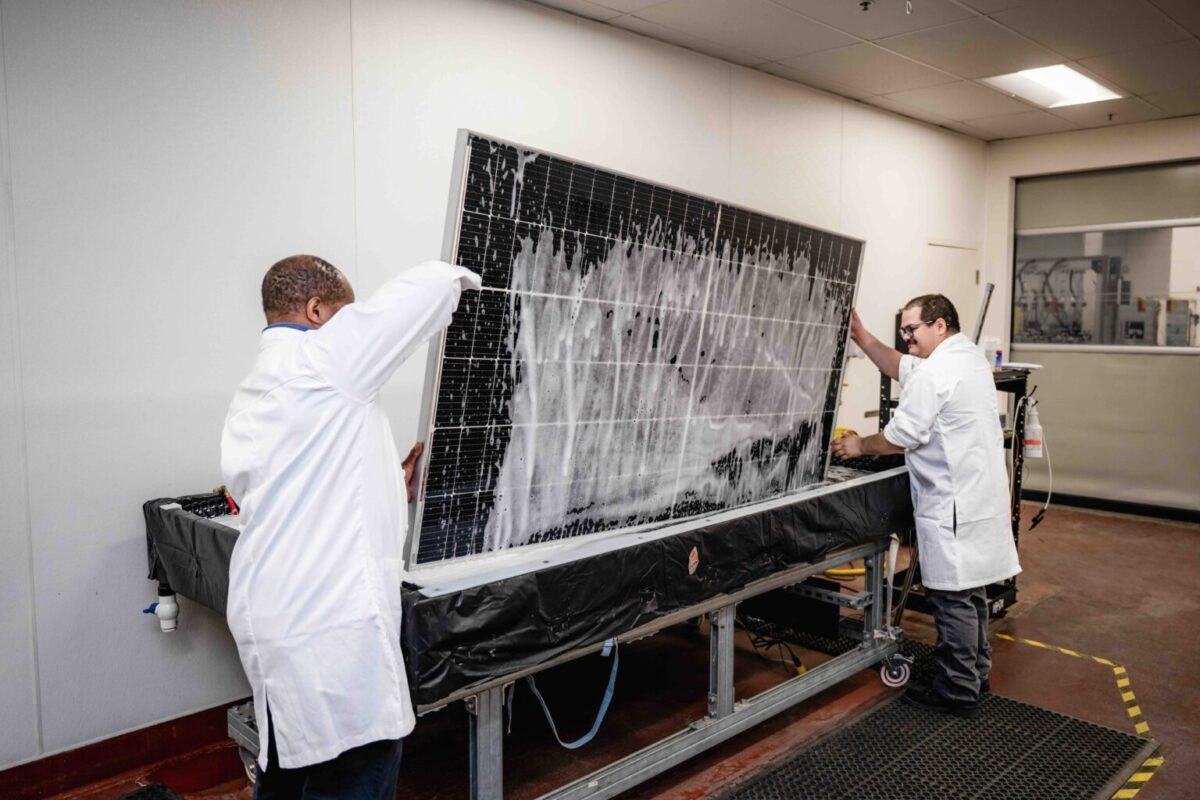
Another test, Damp Heat, subjects the panels to moist heat in a climate chamber. Kiwa PI Berlin subjects them to 2,000 hours – compared to 1,000 for the IEC – and the requirement to pass the test is that the module degrades less than 2%. “In this case, 31% of the BOMs tested failed the test, and TOPCon is more affected than PERC,” Ukar explains.
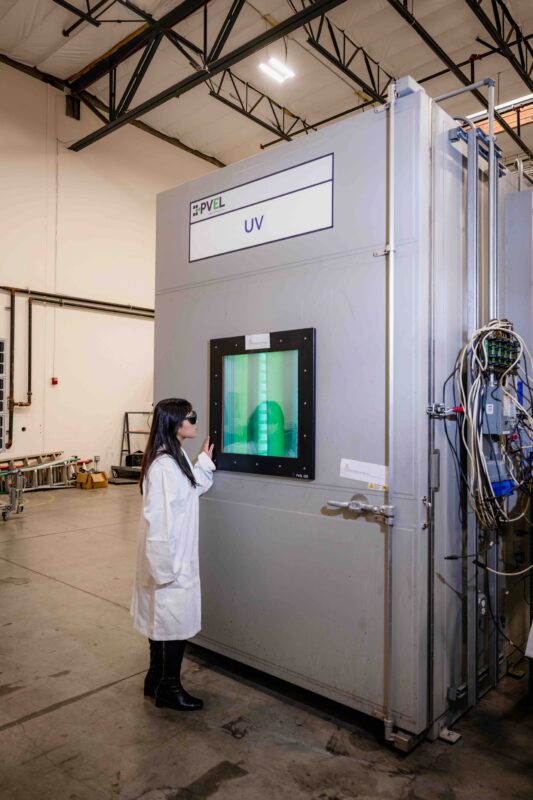
The mechanical load, hail, Potential Induced Degradation (PID) and LID – LeTID tests gave generally good results, but problems were observed in the UV-induced degradation (UVID) tests: “The power loss after 120 kWh/ m2 UVID ranged from 0.6% to 16.6%. While HJT is affected and PERC declines more than expected, TOPCon suffers much more,” he added.
All indications are that TOPCon will be the dominant technology over the next five years, and as with any technological advancement introduced by the industry, this improvement also comes with certain risks and challenges that need to be understood and addressed.
“One of the main objectives in the race to deploy this technology in a way that meets expectations is to focus on its long-term sustainability, i.e. how this technology behaves under the influence of environmental factors such as humidity or UV radiation.” Ukar stated. This approach entails the need to include longer duration tests in the prequalification processes of manufacturers and their models, and to adapt laboratory test procedures with tests adapted to the risks that TOPCon introduces. “The good news is that both the tools and the knowledge exist and are at the service of the industry,” he concluded.
This content is copyrighted and may not be reused. If you would like to collaborate with us and reuse some of our content, please contact: editors@pv-magazine.com.
Popular content