
Close Menu
  • News
  • Industry
  • Solar Panels
  • Commercial
  • Residential
  • Finance
  • Technology
  • Carbon Credit
  • More
    • Policy
    • Energy Storage
    • Utility
    • Cummunity
What's Hot

Dutch solar owners asked to switch off during peak periods to ease the distribution crisis

June 7, 2026

The hydrogen flow: Toyota demonstrates its racing prototype on liquid hydrogen

June 7, 2026

Era of electrification exposing Australia’s weakest link

June 6, 2026
Facebook X (Twitter) Instagram
Solar Energy News
Sunday, June 7
  • News
  • Industry
  • Solar Panels
  • Commercial
  • Residential
  • Finance
  • Technology
  • Carbon Credit
  • More
    • Policy
    • Energy Storage
    • Utility
    • Cummunity
Solar Energy News
Home - Solar Industry - Use of deep eutectic solvents to separate EVA films from PV modules at end of life
Solar Industry

Use of deep eutectic solvents to separate EVA films from PV modules at end of life

solarenergyBy solarenergySeptember 28, 2024No Comments3 Mins Read
Facebook Twitter Pinterest LinkedIn Tumblr Email
Share
Facebook Twitter LinkedIn Pinterest Email

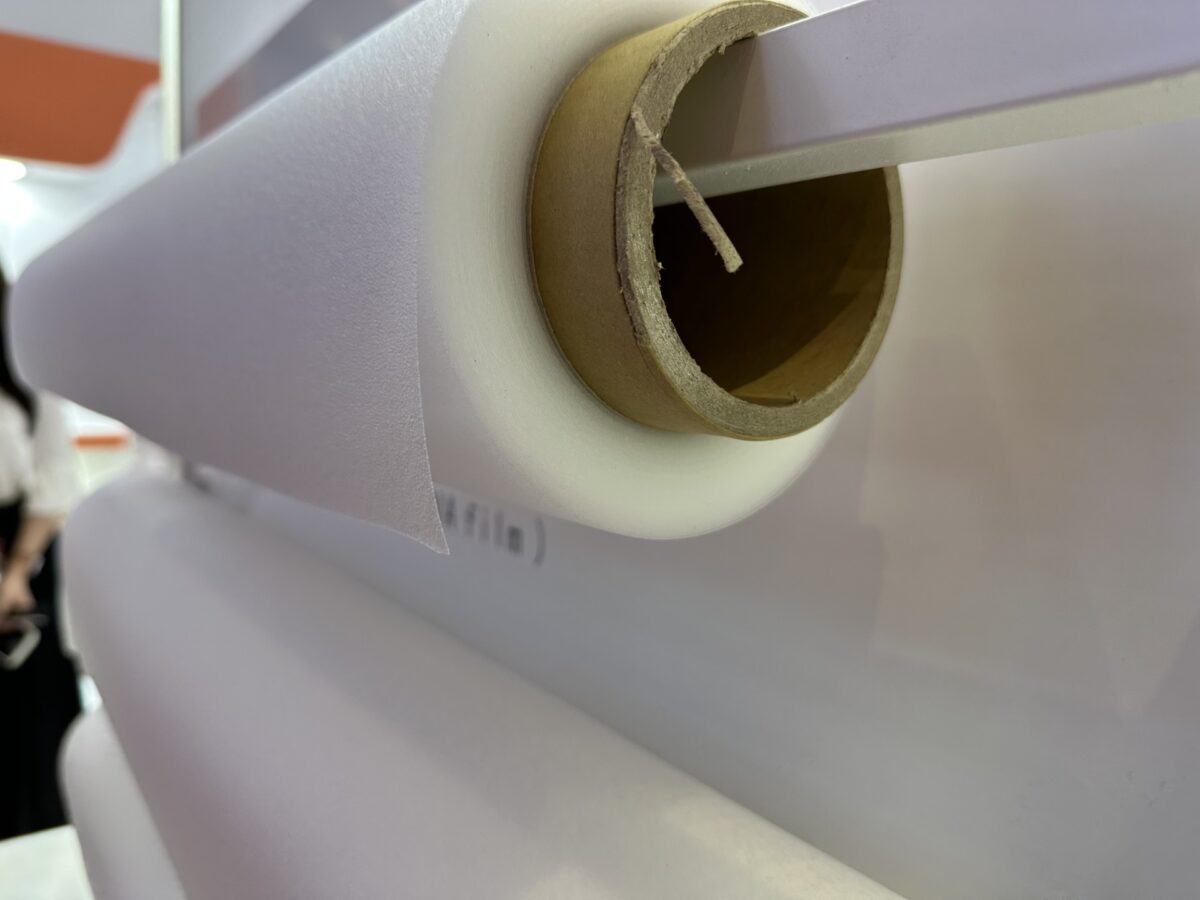
A Chinese-Australian research team has used deep eutectic solvents for the first time to separate EVA films for PV panels at the end of their life. The result is reported to be a separation rate of 100%, accompanied by an aluminum removal efficiency of 98.4%

September 27, 2024 Emiliano Bellini

An international research team has proposed using deep eutectic solvents (DESs) in a new PV module recycling process intended to separate self-adhesive ethylene vinyl acetate (EVA) films from solar panels that have reached the end of their life.

“DESs are green, biodegradable solvents with a price advantage and the ability to be reused multiple times,” says the study’s lead author. Shaoyuan Li, told pv magazine. , noting that the separation of EVA is a prerequisite for recovering valuable metals from modules at the end of their life. “Conventional pyrolytic separation can lead to the release of hazardous elements such as fluorine from the backing layer. Commonly used wet reagents, such as toluene, trichloroethylene and tetrahydrofuran, pose problems due to their high toxicity and waste disposal challenges. DES solvents have received a lot of environmental attention.”

A DES usually consists of two or more components that form hydrogen-bonded complexes consisting of hydrogen bond acceptors (HBA) and hydrogen bond donors (HBD).

The DESs used in the study were obtained by stirring chloromethylene (ChCl) and Oxa powder at a molar ratio of 1:1 at 70 C for 2 h.

In particular, the scientists investigated the separation parameters and leaching mechanism of the proposed mechanism and conducted a series of tests on the manufacturer of PERC solar modules by China-based Longi. The cells were mechanically disassembled from the modules and then cut into 20 mm x 20 mm fragments. The fragments were then soaked in a hydrothermal reactor with the DES solvent for 10 hours at 175°C to dissolve the EVA encapsulant.

See also  AE Solar releases bifacial solar modules for vertical projects

Under optimized conditions, the EVA separation rate reached 100%, accompanied by an aluminum (Al) removal efficiency of 98.4%.

“The separation mechanism indicates that when the temperature exceeds 175 C, the significant difference in thermal shrinkage between EVA and TPT leads to a warping effect,” Li explains. “Under high temperatures and under the influence of ChCl-Oxa, the ester groups on the EVA side chains are converted into hydroxyl groups. Compared to traditional toluene reagents, the DES separation system exhibits superior solution efficiency, significantly improving the integrity of the silicon wafers.”

The research group also found that EVA can still achieve a 100% separation rate after 10 cycles of using DES solvents. “The low cost and recyclability of DES solvent offer greater economic potential for industrial production,” Li said.

The new process was described in the article “Green recycling of end-of-life photovoltaic modules via Deep-Eutectic solvents”, published in the Journal of Chemical Technology. “In summary, this research puts forward a new type of environmental protection technology that can separate EVA from PV modules at the end of their service life with high efficiency,” said Li.

The research team included scientists from Australia’s University of New South Wales (UNSW) and Kunming University of Science and Technology in China.

This content is copyrighted and may not be reused. If you would like to collaborate with us and reuse some of our content, please contact: editors@pv-magazine.com.

Popular content

Source link

deep eutectic EVA films life modules separate solvents
Share. Facebook Twitter Pinterest LinkedIn Tumblr Email
solarenergy
  • Website

Related Posts

ComEd starts a new energy pilot with a solar rebate on the roof of a brewery

June 5, 2026

Video: Understanding Safe Harbor Programs | Power forward!

June 3, 2026

Illinois board approves massive Pride of the Prairie site | Projects Weekly

June 1, 2026
Leave A Reply Cancel Reply

Don't Miss
News

Opsun plans the US expansion with solar assembly factory in North Carolina

By solarenergyApril 20, 20250

QuotaA manufacturer of solar racking will invest $ 9.3 million to build its first American…

Indian startup offers stationary hydrogen fuel cell generators – SPE

May 23, 2026

French developer seeks approval for Australia’s largest solar facility BESS – SPE

March 18, 2026

AECOM will provide advice on the development of OnPath solar energy – Solar Power Portal

November 26, 2024
Stay In Touch
  • Facebook
  • Twitter
  • Pinterest
  • Instagram
  • YouTube
  • Vimeo
Our Picks

Dutch solar owners asked to switch off during peak periods to ease the distribution crisis

June 7, 2026

The hydrogen flow: Toyota demonstrates its racing prototype on liquid hydrogen

June 7, 2026

Era of electrification exposing Australia’s weakest link

June 6, 2026

‘Come out from behind your screen, our industry is ultimately about people’

June 6, 2026
Our Picks

Dutch solar owners asked to switch off during peak periods to ease the distribution crisis

June 7, 2026

The hydrogen flow: Toyota demonstrates its racing prototype on liquid hydrogen

June 7, 2026

Era of electrification exposing Australia’s weakest link

June 6, 2026
About
About

Stay updated with the latest in solar energy. Discover innovations, trends, policies, and market insights driving the future of sustainable power worldwide.

Subscribe to Updates

Get the latest creative news and updates about Solar industry directly in your inbox!

Facebook X (Twitter) Instagram Pinterest
  • Contact
  • Privacy Policy
  • Terms & Conditions
© 2026 Tsolarenergynews.co - All rights reserved.

Type above and press Enter to search. Press Esc to cancel.