

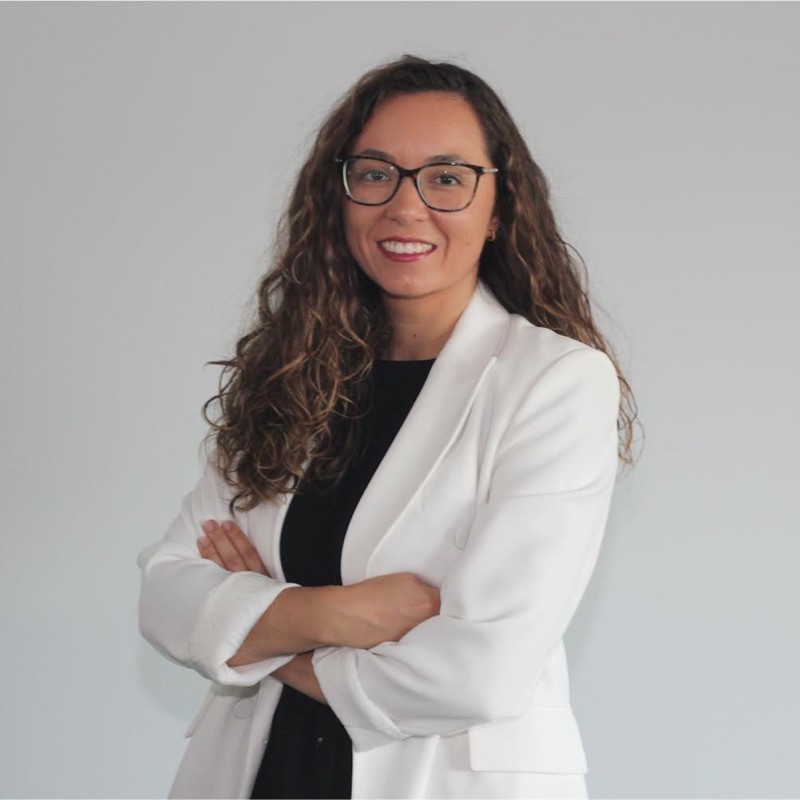
This week, Women in Solar+ Europe presents Sonia de Sales, director of development at the Spanish Altano Energy. She emphasizes that the implementation of an equal opportunities plan is crucial to ensure open and fair recruitment, including balanced shortlists and actively recruiting female candidates where they are under-represented, while hiring on merit and making this clearly visible.
When asked why the solar, energy storage, EV charging, and grid infrastructure industries are especially in need of gender diversity and inclusion, I always start with the same point: these industries, like all others, benefit significantly from gender diversity and inclusion. However, women are still underrepresented in technical, leadership and decision-making roles. This situation perpetuates inequality and deprives the transition of much-needed talent, innovation and new perspectives. Diverse teams bring different perspectives, backgrounds, a natural balance of technical and people skills, life experiences and problem-solving approaches, all of which leads to better decision-making and solutions. Because these sectors are growing rapidly, inclusion is not only fair, but also strategically important: no sector can afford to overlook half of the world’s workforce when shaping the energy transition.
When I think about how gender inclusion in leadership has evolved, I have seen remarkable progress over the past thirteen years. When I first entered the industry, it was rare to encounter another woman at industry events, and often I was the only woman in the room. This has improved and many companies now have teams that are closer to a 50/50 balance. I see more and more women holding key positions, and that is encouraging. But major gaps remain. According to IRENA’s 2025 Gender Perspective report, women still represent only 32% of the renewable energy workforce – and only 19% of leadership roles. So while we are making progress, we still have a long way to go.
Navigating prejudice and skepticism has been a constant part of my career. I have built teams from scratch and throughout that process I have consistently advocated for greater representation of women. I was often told ‘there are no women to hire’, despite personally known networks full of highly qualified professionals. Unconscious biases regularly influenced candidate screening, and I found myself repeatedly receiving all-male resumes. During my time in Argentina, I co-founded AMES to help increase the visibility of women in the industry. Among other things, we worked with event organizers to ensure women were represented on panels, and we worked with schools to encourage girls to explore STEM and sustainable energy careers. On a personal level, I have experienced being overlooked for technical assignments and senior-level promotions, subtle but persistent reminders of the work ahead.
Now, as a senior leader, ensuring my organization fosters an inclusive culture is a responsibility I take seriously. Having worked in companies with strong equality practices, I’ve seen the impact that intentional structures can have. I implement an equal opportunities plan, ensuring that recruitment processes are open and fair. I ask for balanced shortlists and proactively seek female candidates if they are underrepresented. I always recruit on the basis of merit, but make sure that merit is really visible. When women are intentionally included in the candidate pool, fairer results naturally follow. In previous investment roles, I have also required investee companies to adopt diversity policies, as codifying inclusion early significantly increases the likelihood of building diverse and resilient teams.
Driving DEI initiatives at the executive level comes with its own challenges. The biggest barrier is often resistance from senior leaders who remain focused on operational pressures and profitability, and who therefore view inclusion as secondary. Government initiatives that make equality plans a condition of public programs or grants help ensure these issues become a priority for senior leaders. The energy transition cannot succeed if women are marginalized. Diversity is not only fair, it is also economically strategic. Diverse teams perform better, innovate faster and bring broader perspectives to rapidly evolving sectors such as energy storage and electric mobility. With women holding only 19% of leadership roles, male allyship becomes essential for accelerating change. If we want a transition that is resilient, just and impactful, women must be fully involved in shaping it.
Retaining and developing diverse talent requires organizations to prioritize measures for true equality. This means promoting work-life balance, offering flexible working arrangements, providing family support, ensuring equal pay and maintaining transparent recruitment processes. It’s disheartening to hear women say they left their jobs simply because they were denied flexibility, often in roles that could have easily provided it. Inclusion doesn’t end with hiring; it requires people to thrive. Involvement is also very important: women are usually more involved when the values of the organization align with their own. Companies that truly promote inclusivity, transparency and equal development opportunities are much better positioned to retain diverse and motivated talent.
Throughout my career, I have also been fortunate to work with male colleagues who helped me break down barriers. Early on, a manager who left to set up a property development company in Latin America asked me to head the Argentina office. At the time, I had never worked in project development and had a legal background, but he trusted my potential. That opportunity shaped the trajectory of my entire career and ultimately led me to my current role as director of development. I also worked in an organization that was truly inclusive, with colleagues from different backgrounds. Experiencing firsthand how strengthening and enriching such environments can strengthen my commitment to building similar cultures wherever I work.
Despite the challenges, I would certainly encourage young women to join this exciting and rapidly evolving industry. The energy transition needs fresh ideas, creativity and diverse perspectives and offers the opportunity to make a meaningful impact. There is progress and I am confident it will continue. I would tell them to take up their space, share their ideas confidently, and not feel overshadowed. Building a strong support network of mentors, colleagues and women’s associations is also essential. I would encourage them to apply even without meeting all the requirements; men do it all the time.
There are challenges, but with determination and support, women can thrive. The energy transition really needs more women.
Sonia is an M&A, investment and project development expert with more than 12 years of experience in the sustainable energy sector. She holds a double bachelor’s degree in law and political science from Universidad Carlos III de Madrid and an MBA in international management from Universidad Internacional Menéndez Pelayo. Sonia brings a strong analytical and business-oriented approach to identifying and evaluating investment opportunities, leading transactions and managing complex renewable energy projects. Her expertise spans multiple technologies and regions and has worked in Europe, the US, Asia and Latin America. Sonia is currently development director at Altano Energy. Previously, she worked as Investment Manager at Octopus Energy Generation and held positions at Canadian Solar (now Recurrent Energy) and Hanwha QCells (now QEnergy). She is also committed to promoting diversity in the energy sector, having co-founded initiatives to promote gender inclusion and support women’s professional growth in the field of renewables.
Interested in participating Sonja de Sales and other female market leaders and experts at Women in Solar+ Europe? More information: www.wiseu.network
The views and opinions expressed in this article are those of the author and do not necessarily reflect those of the author pv magazine.
This content is copyrighted and may not be reused. If you would like to collaborate with us and reuse some of our content, please contact: editors@pv-magazine.com.
