
Close Menu
  • News
  • Industry
  • Solar Panels
  • Commercial
  • Residential
  • Finance
  • Technology
  • Carbon Credit
  • More
    • Policy
    • Energy Storage
    • Utility
    • Cummunity
What's Hot

Fraunhofer ISE develops colored film technology for patterned solar panels

April 23, 2026

Thermoacoustic heat pumps are on the verge of commercial breakthrough – SPE

April 23, 2026

The federal court has halted Trump administration orders that hinder solar and wind energy development

April 23, 2026
Facebook X (Twitter) Instagram
Solar Energy News
Thursday, April 23
  • News
  • Industry
  • Solar Panels
  • Commercial
  • Residential
  • Finance
  • Technology
  • Carbon Credit
  • More
    • Policy
    • Energy Storage
    • Utility
    • Cummunity
Solar Energy News
Home - Policy - Winter forest fires choke off solar energy in South America – SPE
Policy

Winter forest fires choke off solar energy in South America – SPE

solarenergyBy solarenergyAugust 19, 2024No Comments3 Mins Read
Facebook Twitter Pinterest LinkedIn Tumblr Email
Share
Facebook Twitter LinkedIn Pinterest Email

In a new weekly update for pv magazineSolcast, a DNV company, reports that aerosols from Brazilian forest fires significantly reduced solar radiation in parts of South America in July, although a persistent high-pressure system over the South Pacific increased radiation in Chile and Argentina.

August 16, 2024 Solcast

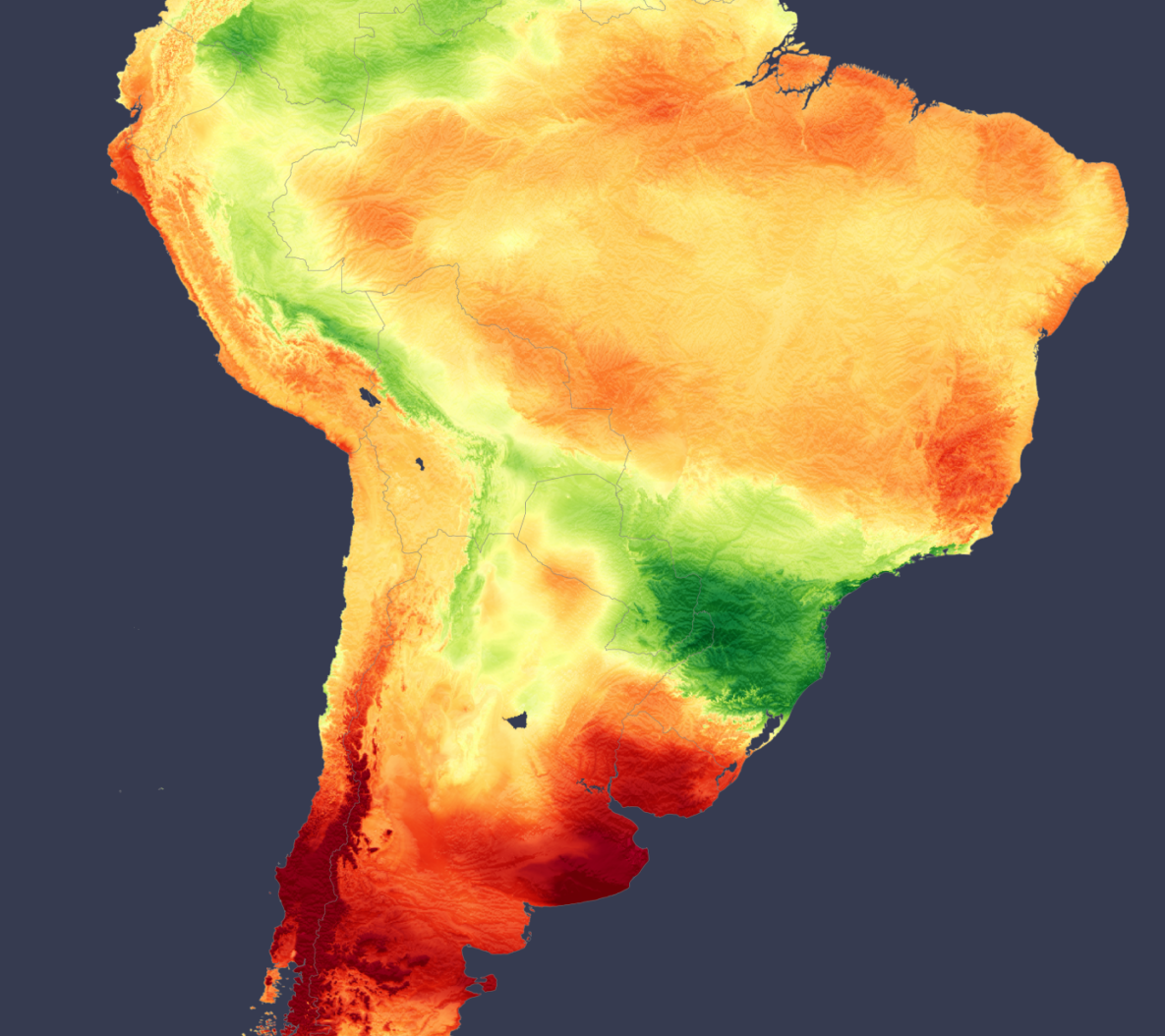
According to analysis using the Solcast APIlarge parts of northern Brazil saw +10% more insolation than normal in July, while parts of Uruguay, Argentina and Chile had up to 20% more insolation than normal. However, Brazil’s forest fires were much more intense than normal in July, with more fires than in almost two decades. The smoke affected radiation in southern Brazil, while stable weather in western regions increased radiation in the north of the country and the high concentration of solar energy north of Rio de Janeiro.

Brazil’s wildfires, fueled by exceptionally dry conditions, positive temperature anomalies and high winds, caused a dramatic spike in aerosol levels across South America. These aerosols, which absorb and scatter sunlight, caused a noticeable reduction in solar radiation. The impact was widespread, with aerosol plumes moving southeast and affecting areas well beyond the Amazon basin. This can be seen in the ‘bright irradiance’ anomaly below. The clear sky irradiance measures the available irradiation before clouds come into effect.

Brazil’s forest fires soared in July, with the number of fires since the start of the year almost 20 times higher than in the same period of 2023. A combination of near-zero daily precipitation and high temperatures has led to rampant fires and has contributed to one of the most severe drops in clear-sky radiance observed in recent years.

See also  Ireland reserves 27 million euros for energy communities – SPE

In contrast, the South Pacific High – a persistent high-pressure system west of Chile – led to a significant increase in solar radiation in Chile and Argentina. This high-pressure ridge, which was stronger than normal, stabilized the atmosphere, suppressed cloud formation and reduced rainfall in these areas. As a result, irradiation levels rose by as much as 20% compared to the July average, providing a significant boost to solar energy production. Daily precipitation averages also fell by about half, reinforcing dry, clear conditions favorable for solar energy generation.

However, the southernmost tip of South America saw cooler temperatures and reduced solar radiation due to winds coming from further south than normal. These winds brought cold air from the polar regions into the continent, lowering average temperatures in parts of Chile, Argentina, Paraguay and Bolivia by as much as 6 degrees Celsius. Stronger than normal easterly winds in southern Chile, combined with strong anticyclonic winds orbiting the South Pacific High, brought moist air from the Pacific Ocean inland. This led to increased rainfall and a 10% to 20% decrease in solar radiation in the affected southern regions.

Solcast produces these figures by tracking clouds and aerosols worldwide at a resolution of 1-2 km, using proprietary satellite data AI/ML algorithms. This data is used to drive irradiance models, allowing Solcast to calculate high-resolution irradiance, with a typical deviation of less than 2%, as well as cloud tracking predictions. This data is used by more than 300 companies that manage more than 150 GW of solar energy worldwide.

The views and opinions expressed in this article are those of the author and do not necessarily reflect those of the author pv magazine.

See also  Major solar energy producers report steep losses in the third quarter - SPE

This content is copyrighted and may not be reused. If you would like to collaborate with us and reuse some of our content, please contact: editors@pv-magazine.com.

Popular content
Source link

America choke Energy fires Forest solar South SPE Winter
Share. Facebook Twitter Pinterest LinkedIn Tumblr Email
solarenergy
  • Website

Related Posts

Fraunhofer ISE develops colored film technology for patterned solar panels

April 23, 2026

Thermoacoustic heat pumps are on the verge of commercial breakthrough – SPE

April 23, 2026

The federal court has halted Trump administration orders that hinder solar and wind energy development

April 23, 2026
Leave A Reply Cancel Reply

Don't Miss
Technology

SMA launches new containerized medium-voltage substation for large-scale BESS and solar power plants – SPE

By solarenergyDecember 5, 20250

SMA Solar Technology announces the commercialization in Europe of its new MVPS-9200 medium-voltage substation in…

Green Deal will continue after the EU elections, just with different marketing, says analyst – SPE

June 21, 2024

Replacing silver in PV production by new graphene electrode technology

March 11, 2025

The Second Fer X -Zonn auction of Italy attracts bids for 10.1 GW – PV Magazine International

September 15, 2025
Stay In Touch
  • Facebook
  • Twitter
  • Pinterest
  • Instagram
  • YouTube
  • Vimeo
Our Picks

Fraunhofer ISE develops colored film technology for patterned solar panels

April 23, 2026

Thermoacoustic heat pumps are on the verge of commercial breakthrough – SPE

April 23, 2026

The federal court has halted Trump administration orders that hinder solar and wind energy development

April 23, 2026

Zendure launches battery ranges for residential PV – SPE

April 23, 2026
Our Picks

Fraunhofer ISE develops colored film technology for patterned solar panels

April 23, 2026

Thermoacoustic heat pumps are on the verge of commercial breakthrough – SPE

April 23, 2026

The federal court has halted Trump administration orders that hinder solar and wind energy development

April 23, 2026
About
About

Stay updated with the latest in solar energy. Discover innovations, trends, policies, and market insights driving the future of sustainable power worldwide.

Subscribe to Updates

Get the latest creative news and updates about Solar industry directly in your inbox!

Facebook X (Twitter) Instagram Pinterest
  • Contact
  • Privacy Policy
  • Terms & Conditions
© 2026 Tsolarenergynews.co - All rights reserved.

Type above and press Enter to search. Press Esc to cancel.