

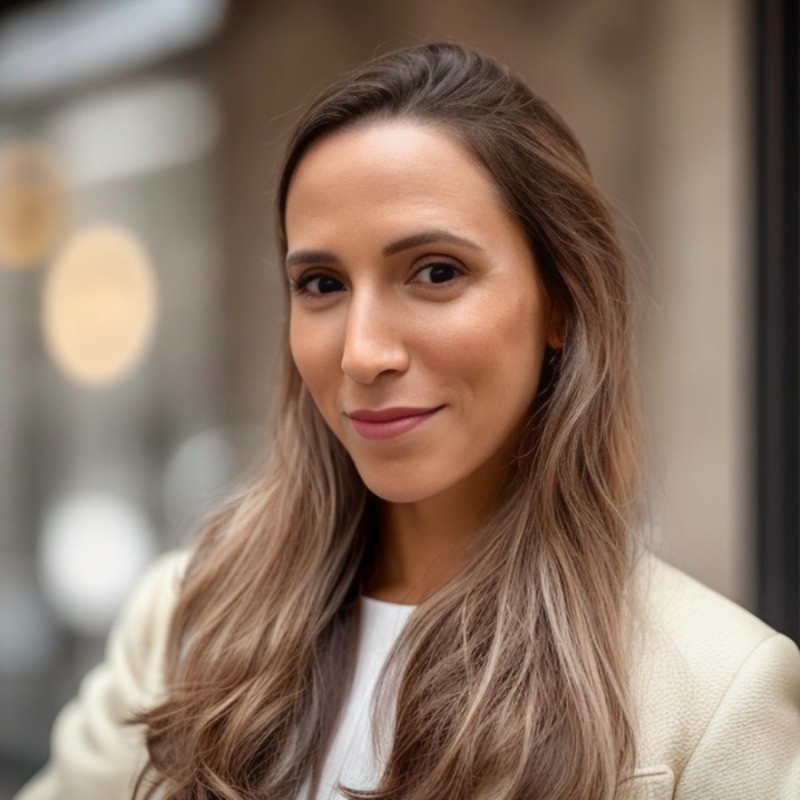
This week, Women in Solar+ Europe gives the voice to Alba Sande, lawyer at the Spanish law firm ASande Legal. She argues that despite progress, women are still underrepresented in the renewable energy sector. “As a wife and mother, I have often encountered the unspoken assumption that professional ambition should take a back seat to family life, a bias rarely applied to men,” she says.
The solar energy, energy storage, EV charging and network infrastructure sectors are at the core of the energy transition. What makes these industries particularly suited to and in need of gender diversity and inclusivity is the nature of the challenge itself. The energy transition requires innovative thinking, a long-term vision and the ability to manage technical, legal, regulatory and social complexity. Gender diversity brings varied perspectives, leadership styles and problem-solving approaches. Inclusion ensures that these voices are heard and valued.
These industries work best when they reflect the diversity of the communities they serve. Decision-making becomes stronger when collaboration replaces uniformity. Diverse teams are not only fairer; they are more effective, more resilient and better prepared to build a sustainable future.
From my experience, diversity, equality and inclusion are directly linked to the resilience and success of the sustainable energy sector. DEI broadens the range of inputs organizations rely on to navigate complexity. Inclusive workplaces promote trust and psychological safety, encouraging open dialogue and the kind of bold ideas that innovation requires. This is essential in a rapidly evolving sector like renewable energy, where adaptation is constant. When professionals feel empowered to contribute, retention improves, decision-making becomes more robust, and strategies become better aligned with societal needs. DEI is not separate from business success, it is integral to long-term impact.
Looking back on my own career, I have encountered systemic barriers that many women in male-dominated industries will recognize. Implicit biases about what leadership should look and sound like, often shaped by traditional models, were persistent. The lack of visible female role models and the lack of structural support, especially for those balancing caring responsibilities, created additional friction. Overcoming these challenges required building strong support networks, staying rooted in purpose, and letting the results speak clearly. It also meant resisting the pressure to ‘fit the mold’ and instead demonstrate that strategic thinking, empathy and consistency are powerful leadership traits.
Over time, I have observed significant shifts in the way the industry approaches gender inclusion in leadership. There is increasing recognition that diverse leadership is not just desirable; it is necessary. We see more women in strategic roles and a greater openness to flexible career paths. That said, inclusion at the senior level still requires deliberate efforts. Real progress comes when organizations understand that leadership potential is not tied to a single profile or personal circumstance. Valuing varied life experiences, including those shaped by caregiving, strengthens leadership culture and increases resilience.
Navigating bias and skepticism has been a defining part of my professional journey. As a wife and mother, I’ve often encountered the unspoken assumption that professional ambition should take a back seat to family life, a bias rarely applied to men. Yet this is not about choosing one over the other; it’s about integration. Early on, I realized that women with young children are often expected to prove that they prioritize work in order to be taken seriously. My response was consistency, results and a clear message: engagement is not gendered.
Even today, driving DEI initiatives at the executive level remains a challenge. Despite progress, women remain underrepresented in decision-making spaces. In my experience, about 80% of strategy meetings still involve only men, especially when critical decisions are made. One of the biggest challenges is feeling like an equal, possessing expertise and expressing this with confidence in environments where women often have to repeatedly prove their competence, while male colleagues are expected to do so by default. This imbalance makes DEI both essential and deeply personal to lead.
There are still specific gender dynamics within the energy sector that influence career development. Women, especially mothers, are more often questioned about their long-term commitment or availability. There remains an uneven expectation to prove expertise. While this dynamic evolves, progress has been slow. Recognizing and addressing them without penalizing different life experiences is essential to building an inclusive, high-performing industry.
To young women entering the solar and renewable energy industry today, my advice is simple: believe in your voice and your contribution from day one. This industry needs critical thinkers, communicators and leaders who reflect the diversity of society. Don’t let outdated assumptions determine your path. Look for mentors who support your growth and organizations that recognize potential outside traditional models. Being a woman is not a limitation, even if you are the only one in the room. Trust your expertise, ask questions boldly, and bring your whole self to the table. The sector will become stronger as a result.
Alba Sande is an administrative and regulatory lawyer specialized in energy, environment and infrastructure. After several years advising major national and international clients at Clifford Chance Madrid, she founded Asandelegal, a boutique legal practice focused on strategic regulatory support for the energy transition. Her experience includes advising banks, funds and energy companies on permitting, litigation and regulatory issues in large-scale renewable energy projects, particularly wind, solar and storage. Alba has a double degree in Law and Economics (ICADE) and a Masters in Energy from the Spanish Energy Club. She is a regular contributor to industry publications and a speaker at sector forums. As a wife and mother working in a traditionally male-dominated industry, she is an advocate for inclusive leadership and visibility of diverse talent in energy law and infrastructure. She believes that legal certainty, diversity and sustainability must go hand in hand to meet the challenges of the green transition.
Interested in participating Alba Sande and other female market leaders and experts at Women in Solar+ Europe? More information: www.wiseu.network
The views and opinions expressed in this article are those of the author and do not necessarily reflect those of the author pv magazine.
This content is copyrighted and may not be reused. If you would like to collaborate with us and reuse some of our content, please contact: editors@pv-magazine.com.
