
Close Menu
  • News
  • Industry
  • Solar Panels
  • Commercial
  • Residential
  • Finance
  • Technology
  • Carbon Credit
  • More
    • Policy
    • Energy Storage
    • Utility
    • Cummunity
What's Hot

A deep learning model tracks the status of the EV battery with high precision

March 6, 2026

Mitsubishi Electric Trane announces new heat pump line for hydronic heating – SPE

March 6, 2026

Origis is developing a 413 MW solar portfolio in West Texas

March 6, 2026
Facebook X (Twitter) Instagram
Solar Energy News
Friday, March 6
  • News
  • Industry
  • Solar Panels
  • Commercial
  • Residential
  • Finance
  • Technology
  • Carbon Credit
  • More
    • Policy
    • Energy Storage
    • Utility
    • Cummunity
Solar Energy News
Home - News - Research into limitations in new materials for perovskite solar cells
News

Research into limitations in new materials for perovskite solar cells

solarenergyBy solarenergyNovember 7, 2024No Comments2 Mins Read
Facebook Twitter Pinterest LinkedIn Tumblr Email
Share
Facebook Twitter LinkedIn Pinterest Email

Research into limitations in new materials for perovskite solar cells


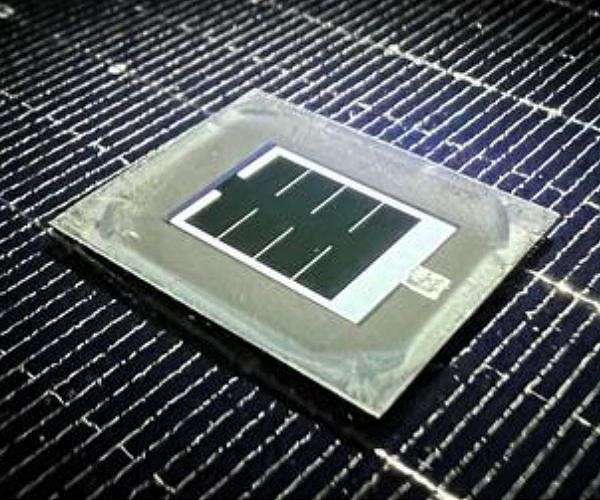
Perovskite solar cells, praised for their efficient conversion of light into electricity, are being studied as a promising next-generation solar technology. However, commonly used hole transport materials, such as spiro-OMeTAD, pose challenges due to their complex synthesis processes and high costs.

To address these issues, researchers have developed an alternative: HND-2NOMe, which is easier and more economical to synthesize.

The quasi-planar molecular structure of HND-2NOMe facilitates one-dimensional alignment and promotes charge transfer. Despite high charge mobility, solar cells using HND-2NOMe have shown performance limitations, including reduced current flow, the cause of which remained unclear.

Researchers from the University of Tsukuba used electron spin resonance (ESR) to investigate these performance challenges by analyzing the microscopic properties of the material. They found that holes migrate from the perovskite to HND-2NOMe without illumination, creating an energetic barrier at their interface.

This barrier hinders the movement of holes, contributing to the perceived performance issues. Furthermore, cells incorporating HND-2NOMe showed reduced hole accumulation under solar irradiation, which aided in the stability of the material’s hole transport function.

This identification of performance limiting factors, while maintaining stability, provides important insights for developing guidelines that can improve device performance. The research paves the way for future developments in perovskite solar cell technology.

Research report:Microscopic analysis of low but stable performance of perovskite solar cells using electron spin resonance.


Source link

See also  Solar Module Neerwaartse Price Trend is reversed
cells limitations materials perovskite Research solar
Share. Facebook Twitter Pinterest LinkedIn Tumblr Email
solarenergy
  • Website

Related Posts

A deep learning model tracks the status of the EV battery with high precision

March 6, 2026

Origis is developing a 413 MW solar portfolio in West Texas

March 6, 2026

New Jersey expands state community solar program by 3 GW

March 6, 2026
Leave A Reply Cancel Reply

Don't Miss
Technology

French startup unveils new floating PV technology based on aluminum – SPE

By solarenergyOctober 11, 20240

HeliosLite has developed new aluminum floats that can be assembled and deployed on site in…

Energy Minister is updating CP30 Solar Capacities

April 8, 2025

Four-year tests show that heat pumps work efficiently even in older houses – SPE

November 5, 2025

KWh Analytics adds coverage of ‘excess natural catastrophe’ to offers for Zonne -Verzekeringen

August 31, 2025
Stay In Touch
  • Facebook
  • Twitter
  • Pinterest
  • Instagram
  • YouTube
  • Vimeo
Our Picks

A deep learning model tracks the status of the EV battery with high precision

March 6, 2026

Mitsubishi Electric Trane announces new heat pump line for hydronic heating – SPE

March 6, 2026

Origis is developing a 413 MW solar portfolio in West Texas

March 6, 2026

New Jersey expands state community solar program by 3 GW

March 6, 2026
Our Picks

A deep learning model tracks the status of the EV battery with high precision

March 6, 2026

Mitsubishi Electric Trane announces new heat pump line for hydronic heating – SPE

March 6, 2026

Origis is developing a 413 MW solar portfolio in West Texas

March 6, 2026
About
About

Stay updated with the latest in solar energy. Discover innovations, trends, policies, and market insights driving the future of sustainable power worldwide.

Subscribe to Updates

Get the latest creative news and updates about Solar industry directly in your inbox!

Facebook X (Twitter) Instagram Pinterest
  • Contact
  • Privacy Policy
  • Terms & Conditions
© 2026 Tsolarenergynews.co - All rights reserved.

Type above and press Enter to search. Press Esc to cancel.