In a new weekly update for pv magazineSolcast, a DNV company, reports that the upcoming Australian summer is likely to be cloudier than normal, potentially reducing solar power generation in key regions, especially along the east coast.
Seasonal forecasts suggest that next summer in Australia is likely to be cloudier than normal, potentially reducing solar power generation in key regions, especially along the east coast. The El Niño-Southern Oscillation (ENSO) is expected to remain neutral
will briefly transition into a weak La Niña phase, slightly increasing the chance of wetter, cloudy conditions across the region. Analysis of historical Neutral and La Nina years, using the Solcast APIshows that irradiation generally decreases by up to 10%, although fortunately the consequences are lower
some sunny regions.
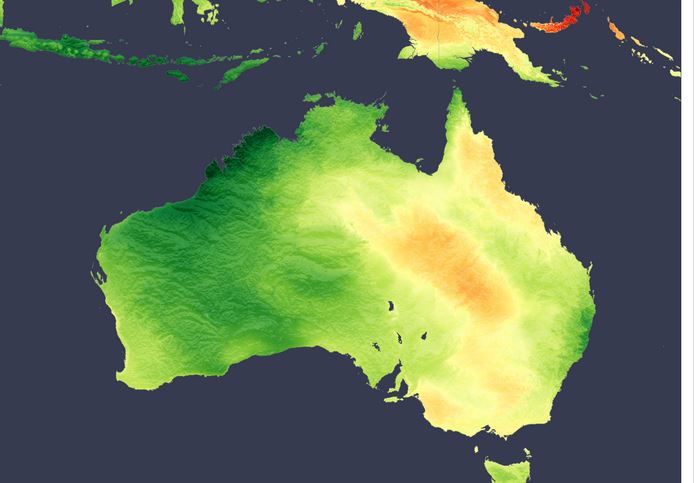
Forecast models from major agencies including ECMWF, DWD and UKMO indicate a consensus for likely above-average cloud cover across much of Australia during the summer months. The East Coast, which has a high concentration of rooftop solar, is expected to experience more cloud anomalies, likely due to moisture from the Pacific Ocean.
However, areas just inland of the Great Dividing Range, where many large utility-scale solar farms are located, are less likely to experience significant cloud anomalies because the range acts as a natural barrier to Pacific Ocean moisture. In particular, Melbourne, a major population center and source of distributed generation, is separate from the broader forecast which shows no clear indication of increased cloud cover in the seasonal outlook.

Historical analysis using data from the Solcast API matches these seasonal forecast predictions. Examining the historical radiation patterns during non-El Niño summers reveals similar trends, with cloudier than average conditions concentrated along the east and west coasts.
Inland areas west of the Great Dividing Range have historically experienced smaller reductions in irradiance, supporting solar performance in regions critical to Australia’s utility-scale solar sector. The southeastern state of Victoria, including Melbourne, has shown this
near-typical insolation levels under similar climatic conditions, reinforcing seasonal model projections for the region.

The ENSO phase plays a crucial role in shaping Australia’s weather patterns. La Niña events typically lead to wetter, cloudier summers in eastern Australia, in stark contrast to the drier, sunnier conditions during El Niño phases. While neutral ENSO conditions are the most likely outcome this summer, there is a small chance of a weak La Niña forming. Current forecasts suggest that if La Niña develops, it will likely be short-lived, minimizing its potential impact.
Solcast produces these figures by tracking clouds and aerosols worldwide at a resolution of 1-2 km, using proprietary satellite data AI/ML algorithms. This data is used to drive irradiance models, allowing Solcast to calculate high-resolution irradiance, with a typical deviation of less than 2%, as well as cloud tracking predictions. This data is used by more than 300 companies that manage more than 150 GW of solar energy worldwide.
The views and opinions expressed in this article are those of the author and do not necessarily reflect those of the author pv magazine.
This content is copyrighted and may not be reused. If you would like to collaborate with us and reuse some of our content, please contact: editors@pv-magazine.com.
Popular content