

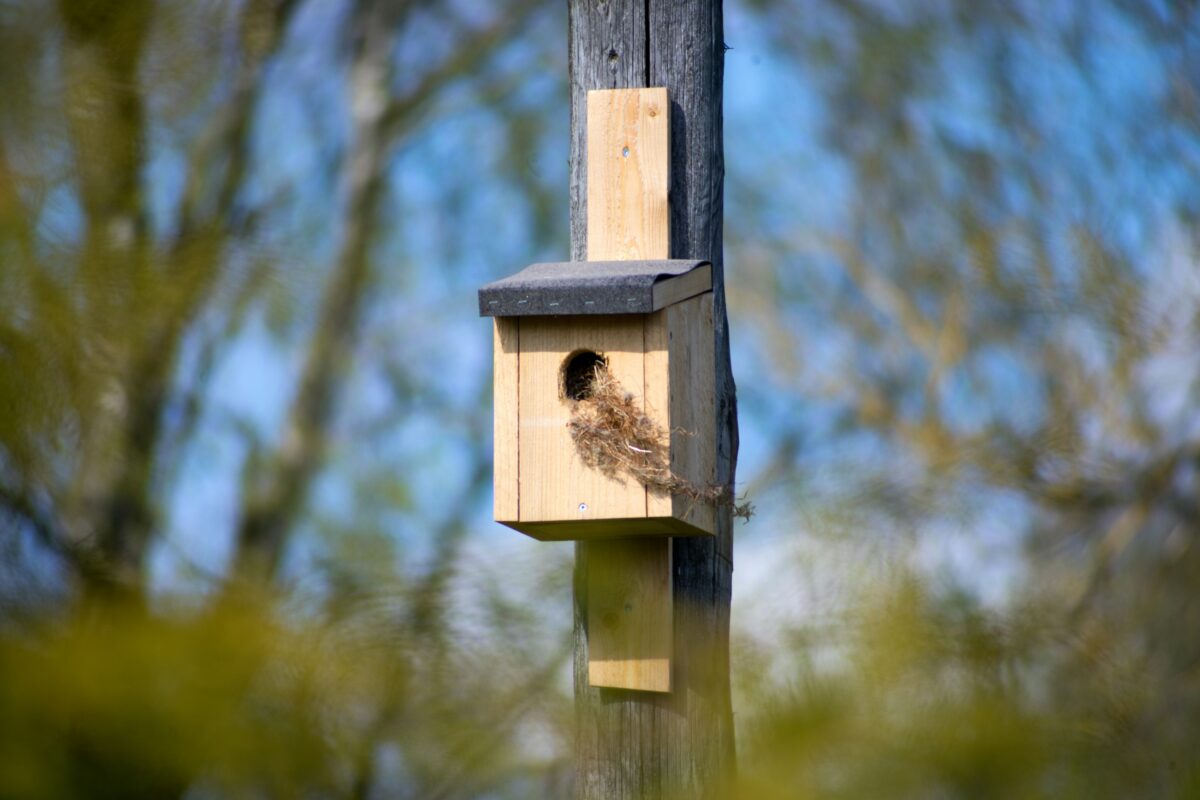
Researchers in Spain have warned that Nest-box installations at PV plants are often poorly planned or are used for Greenwashing, with boxes placed in unsuitable locations, incorrectly installed or missing monitoring after installation.
In Spain, current legislation stimulates and often requires energy companies to implement biodiversity offset measures, such as installing nest boxes. This practice is widely used in energy infrastructure and appears in a maximum of 85.6% of the PV plants.
The problem, according to new research by the Spanish National Research Council (CSIC) and the University of Extremadura, is that these measures are sometimes implemented without ecological justification.
The researchers said that most nest boxes were poorly designed, placed in unsuitable habitats and are intended for species that are not present in the area. They added that incorrect installation can create ecological traps and enables Greenwashing.
Through an extensive overview of environmental impact assessments (EIAs) for PV factories in Spain – the country with the greatest biodiversity in the European Union and the highest number of planned projects for renewable energy – the team investigated the ecological suitability of Nestbox installations.
Nest-box design and implementation often show recurring errors, the researchers said in ‘Nest-box provisioning as an offset or greenwashing practice in projects for renewable energy sources“ which was recently published in Biological preservation. In 42 of the 65 cases with species-specific nest boxes, they found no evidence that the target species in the area had bred before the PV factory was built.
Most PV plants in Spain are located in dry, semi-aride or steppe habitats, where measures that attract forest or generalist species can increase the presence of predators, making Steppe bird communities possibly harm. Of the sampled PV plants, 114 (87.7%) were within 3 km of areas that could accommodate Steppe prey species.
Nest boxes are also often placed on high densities and at visible locations, such as nearby roads and along PV factory edges, to publish compensatory actions.
“This location can have a negative influence on bird species that use the boxes for at least four reasons: a) Traffic noise can disrupt the nutritional behavior of adults and the development of chicks; b) proximity to roads increases the risk of vehicle collisions; c) High nest box density can attribute competitive species to reproductive access to the High visibility, high visibility, high visibility, high visibility and gaps. Deal. Deal. Deal. Dealing. Researchers.
They also saw that extremely high temperatures in nest boxes had caused the direct mortality of lesser tower chicks. Moreover, they noticed that Nest-Box materials can influence the microclimate conditions, which influences the development of ectoparasite.
This content is protected by copyright and may not be reused. If you want to work with us and reuse part of our content, please contact: editors@pv-magazine.com.
