

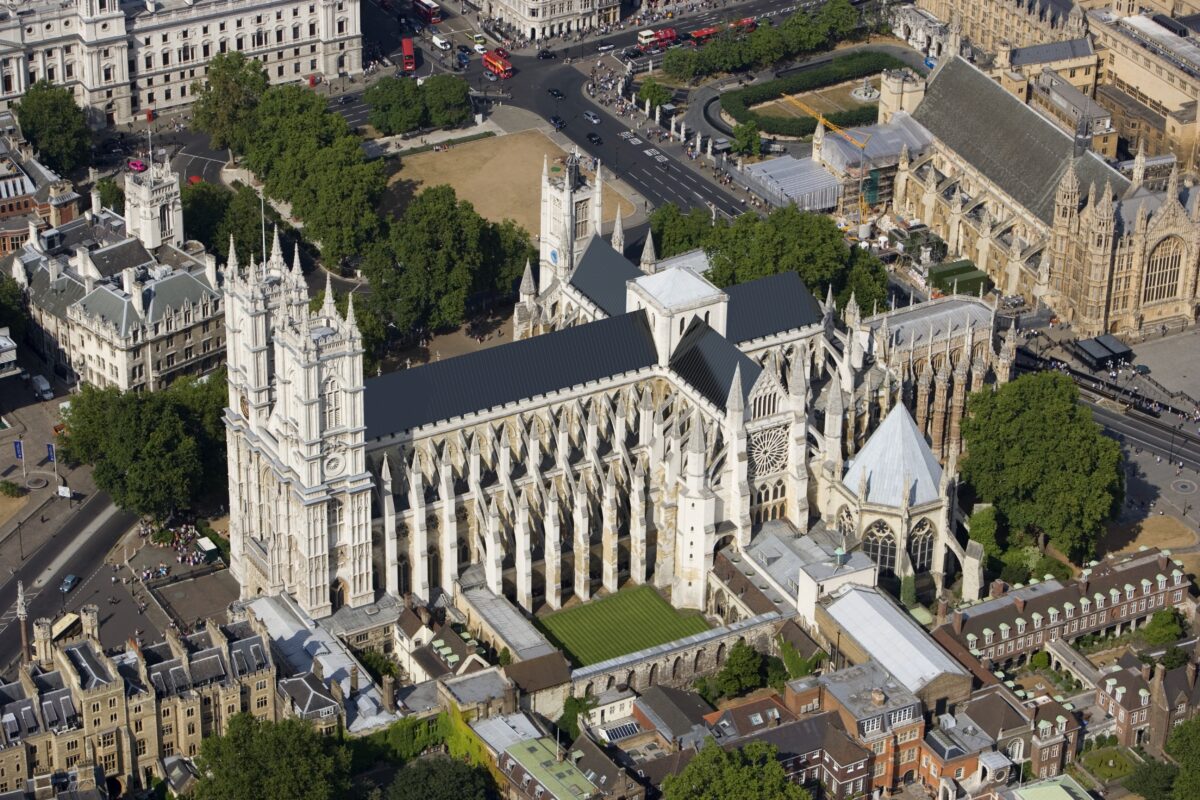
Heritage buildings face a dilemma: how can we embrace the future without erasing the past.
As clean technologies and renewable energy gain momentum in Britain and beyond, historic buildings face increasing pressure to reduce their carbon footprint. This is partly exacerbated by concerns about their generally poor energy efficiency, often a result of age, design and traditional building materials.
Many sustainable renovations – such as LED lighting, heat pumps and improved insulation – have proven relatively easy to implement, without endangering the integrity or appearance of heritage and monumental buildings. However, the integration of solar technology is not always easily accepted or implemented.
Solar roofing: preserving the past while encouraging the future
Solar energy is one of the fastest growing renewable energy sources in the world, but both official heritage guidelines and public opinion have raised concerns about the visual impact of traditional solar panels on historic buildings. The core challenge lies in reconciling modern, often extensive technology with the architectural integrity and charm of the past.
Roofs are ideal for solar installations, thanks to their unobstructed access to sunlight and efficient use of space. However, traditional solar panels can be visually intrusive, especially on heritage and listed buildings.
This is where building-integrated photovoltaic (BIPV) solar roofs come in: they are seamlessly integrated into the roof structure and allow listed buildings to use clean energy without compromising aesthetics.
High-quality solar roofing, which blends into the architecture, is often described as ‘invisible’. BIPV technology is now advanced in supporting buildings with strikingly colored roofs – such as green oxidized copper or terracotta tiles – by offering solar energy materials in matching shades, enabling discreet rooftop solar integration for the first time.
The UK heritage guidelines embrace solar energy, but adoption remains limited
As the UK government rolls out its ambitious Clean Power 2030 Action Plan – targeting 45-47 GW of solar generation capacity by 2030 – heritage organizations have also become increasingly committed to integrating solar energy into their property and guidance policies; albeit with caution to protect the appearance.
For example, Historic England updated its guidance in July 2024 to clarify that – with appropriate consents and careful visual planning – solar panels can be appropriately integrated into listed buildings. Previously, installations were often hampered by inconsistent decision-making within municipal councils.
However, despite these policy advances, uptake remains low. A government-commissioned survey found that 87% of historic building owners see listed building consent as a barrier, and 75% say it prevents energy efficiency upgrades. In practice, only a small proportion of heritage buildings are currently equipped with solar installations, which indicates that standard panels are failing to gain widespread acceptance.
York Minster: The exception that proves the rule
The Church of England (one of Britain’s largest heritage managers) is leading the way in religious buildings and has pledged that its buildings will have net zero carbon emissions by 2030. A recent example of solar energy integration is the iconic York Minster, which activated 184 solar panels in January 2025. These panels, discreetly placed on the roof of South Quire, will generate around 70,000 kWh annually – around a third of the Minster’s electricity demand.
Still, the installation received public criticism: “Putting panels on such a historic building seems absurd…” and “That looks wrong on a historic building. I’m in favor of solar panels, but I don’t think they are suitable everywhere” are just two of the comments from local citizens when the solar plans were announced. This highlights how traditional panels can still clash with heritage sensitivities and discourage wider adoption.
Still, the emissions and cost-saving potential of solar energy for historic buildings is difficult to ignore.
Bath Abbey provides a compelling feasibility study into the potential of solar energy: modeling shows that 164 PV panels could generate around 45 MWh per year – 35% of annual consumption – saving 10 tonnes of CO₂ annually, with a payback period in 13 years and an expected profit of £139,000 over 25 years.
Gloucester Cathedral – which installed 150 solar panels on the nave roof in 2016 – has reduced energy costs by more than 25%. It is believed to be the oldest British cathedral to have a solar installation, but is one of many historic religious buildings in Britain to have made such a move.
BIPV: The solution for broad adoption
Instead of relying on rare, high-profile exceptions, the heritage sector now needs a solution that is built for scale – BIPV solar roofs provide this.
Rather than ‘clashing’ with history, integrated solar roofing can:
- Blends in with the existing roofline and avoids the ‘stuck-on’ appearance
- Mimics traditional materials such as slate, terracotta or oxidized copper with colored options
- Eliminates the main barriers – visual impact and public resistance – by remaining discreet.
As Sonia Dunlop, CEO of the Global Solar Council, puts it: “In some cases, BIPV could be suitable” for historic buildings, highlighting that suitable technology already exists today to meet the needs of heritage managers.
Mock-up images of Westminster Abbey (top) and Canterbury Cathedral (bottom) showing what the buildings would look like if retrofitted with BIPV solar roofs
Westminster Abbey and Canterbury Cathedral are two examples of iconic British heritage buildings that have not yet made use of solar energy despite the initiatives of the Church of England. Their esteemed heritage status rightly calls for more careful research into how installations can influence aesthetics.
Solar roofing offers a solution. Instead of traditional panels that can clash with the fabric of these sites, mock-ups show how discreet BIPV roofing can be applied seamlessly – maintaining tradition and style while generating clean, renewable energy to keep the buildings running. For the managers of these buildings, this is the first credible way to reconcile climate action with the protection of heritage.
Balancing conservation with progress
Renewable energy is the future – and soon even the most exceptional buildings will have to adapt. The key is to apply innovative, tailor-made solutions that support organizations in making the transition – while respecting their values and context. Solar roofing delivers exactly this for heritage buildings.
It’s a two-way street: when we ask heritage organizations to commit to climate action, we must also respect their stewardship of the historic fabric and site. That’s the difference between symbolic early adoption and real, scaled climate leadership.
Connecting the past with the future may not be easy, but it is essential. These treasured buildings will only survive if we protect both their history and the planet they stand on.
Andres Anijalg is the CEO of Roofit.Solar, an Estonian technology company specialized in building-integrated solar photovoltaics (BIPV). The company develops metal roof panels in Scandinavian style, with solar cells embedded directly in the material. Roofit.Solar solutions are deployed in many European countries, including Great Britain, and the company has won several design and sustainability awards for combining modern solar technology with timeless architecture.
The views and opinions expressed in this article are those of the author and do not necessarily reflect those of the author pv magazine.
This content is copyrighted and may not be reused. If you would like to collaborate with us and reuse some of our content, please contact: editors@pv-magazine.com.
Popular content

