

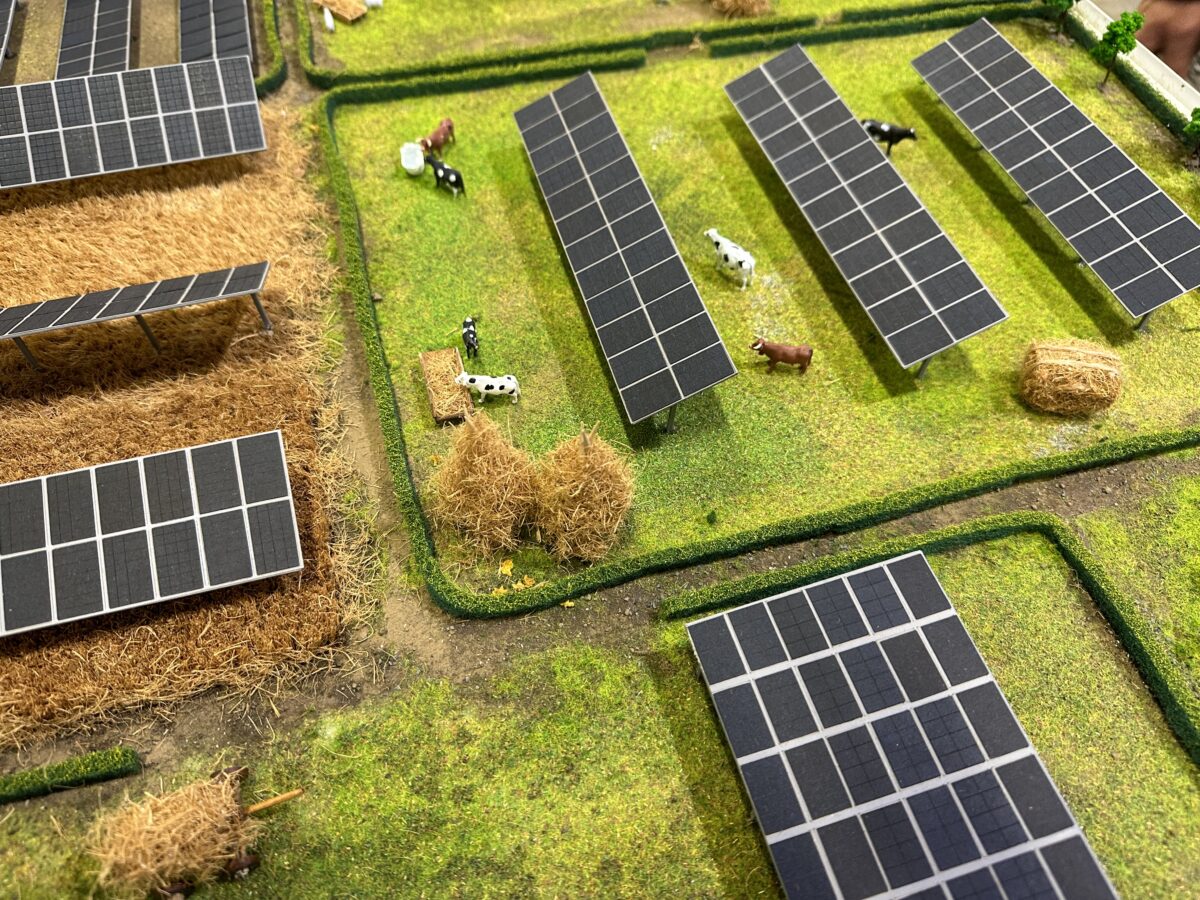
A Malaysian research team proposed new concepts such as cow voltaic, sheep voltaic, goat voltaic, veggie voltaic, fruit voltaic, and fish voltaic to better define the diverse applications of solar photovoltaic in dual land use. Their overview outlines four main categories – livestock solar, crop-based agricultural voltaics, aquavoltaics and zoovoltaics – and presents several business cases.
Researchers from University Malaysia Pahang Al-Sultan Abdulla have conducted a comprehensive study on agrivoltaic systems and proposed a new taxonomy for their classification.
“This study is the first in the world to present a conceptual framework for the next generation of agrivoltaic energy, including concepts such as cow voltaic energy, sheep voltaic energy, goat voltaic energy, veggie voltaic energy, zoovoltaic energy and aquavoltaic energy,” said the study’s first author, Rittick Maity. pv magazine. “These concepts aim to broaden the perspective of stakeholders – farmers, herders and ranchers – by showing how solar infrastructure can be co-designed with a diverse ecosystem of flora and fauna.”
“The research highlights how future agrivoltaic landscapes can integrate livestock, specialty crops, fish, vegetables and fruits, transforming solar PV systems from mere ‘energy generators’ to ‘biodiversity habitats’. A key contribution is the introduction of integrated agrivoltaic systems in zoos – zoovoltaic systems – which create a new research domain by combining solar energy with zoo animals,” Maity added. “This approach promotes multifunctional land use, increases biodiversity, supports nature conservation and strengthens climate resilience.”
The researchers defined four main categories: solar energy for livestock farming, agrivoltaic energy based on crops, aquavoltaic energy and zoovoltaic energy.
Livestockvoltaics improves land use efficiency by integrating grazing with solar panels. The shade provided by the panels creates favorable microclimate conditions, reduces heat stress and helps reduce intestinal methane emissions. Projects in this category use pole or top panel configurations that allow livestock to move freely underneath. Subcategories include cow voltaic energy, goat voltaic energy and sheep voltaic energy, depending on the type of livestock farming.
Crop-based agrivoltaic energy improves soil moisture retention, reduces temperature extremes and moderates water evaporation. The subcategories include fruitvoltaics, veggievoltaics, herbvoltaics and flowervoltaics, based on the type of crop being grown.
Aquavoltaic solar energy includes PV projects integrated with aquatic environments, where panels are placed above or on water. Water cooling improves panel efficiency, while the shade benefits fish and microalgae and promotes water mixing that supports biodiversity. A specific subcategory, fish voltaic energy, focuses on fish farming, with solar panels powering filter systems and pumps.
Zoovoltaics refers to PV projects integrated with zoo infrastructure. These systems support species conservation by providing shade for animals, increasing biodiversity and enabling zoo activities. “Zoovoltaic energy primarily offsets a zoo’s energy consumption and serves an educational purpose, both of which help reduce its carbon footprint,” the researchers noted. “In addition, the reduced evaporation and transpiration under solar panels saves water, which is critical for maintaining healthy ecosystems and ensuring an adequate water supply for wildlife and zoo animals.”
For each category, the team presented specific business cases demonstrating the practical and environmental benefits of these integrated systems.
The new taxonomy was presented in the paper “Agrivoltaic systems for sustainability: a review of emerging trends and practices”, which was recently published in Solar compass.
This content is copyrighted and may not be reused. If you would like to collaborate with us and reuse some of our content, please contact: editors@pv-magazine.com.
