

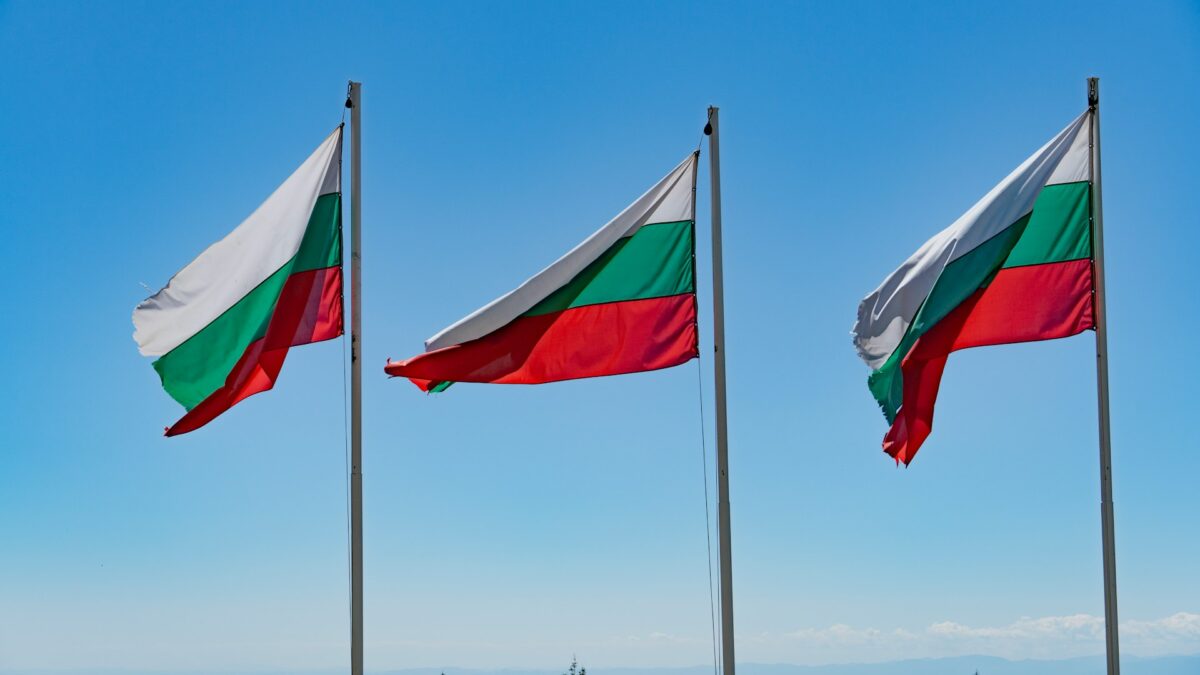
Bulgaria installed more than 1 GW of solar energy for the third consecutive year in 2025 and is expected to add more than 2 GW of solar energy this year thanks to a large pipeline of utility-scale projects.
Bulgaria Last year, 1,416 MW of solar energy was added, according to official data published on the ENTSO-E Transparency Platform. The result marks the third year in a row that Bulgaria has deployed more than 1 GW of solar energy and brings the country’s cumulative capacity to 5,984 MW.
Desislava Mateva, project manager at the Sofia-based Association for Production, Storage and Trade in Electricity (APSTE) said pv magazine that the Bulgarian solar market is currently dominated by utility-scale ground-mounted solar power plants, reflecting land availability, strong developer activity and increasing access to project financing.
Utility-scale solar made up about 90% of Bulgaria’s new capacity last year. Mateva said the market was driven by the strong commercial competitiveness of solar energy, which made projects viable without direct subsidies, as well as active support from local and international banks and a large pipeline of development projects that reached the construction readiness or financial close stage over the past 18 months.
Mateva also noted that Bulgaria is experiencing a wave of standalone battery energy storage systems (BESS) and the hybridization of both existing and new solar with BESS, as developers try to deal with price cannibalization and declining solar uptake.
“These developments are expected to reduce price volatility, improve system flexibility and ease price pressures for solar producers,” she explains. “As a result, industry expectations remain positive.”
One of the largest projects commissioned in Bulgaria last year was the first phase of the 315 MW/760 MWh Tenevo hybrid projectwith a second phase planned for early this year, and the hybrid project Selanovtsi, a 59.8 MW solar plus 107.3 MWh storage site in the northwestern region of Vratsa. Bulgaria also commissioned one of the EU’s largest standalone BESS facilities last year, located next to a 107 MW solar farm.
The Bulgarian C&I solar market is showing steady momentum, especially in projects designed for self-consumption, Mateva added, with rising electricity costs pushing companies to invest in on-site solar, often in combination with storage.
In contrast, Bulgaria’s residential solar sector remains underdeveloped in terms of capacity. Mateva said there is interest among households, but the market segment is limited by regulatory complexity and limited incentives.
She added that the residential sector would benefit from the full liberalization of the Bulgarian electricity market, as household electricity prices currently remain regulated and account for around 40% of national electricity demand. “Full liberalization would boost demand-side participation and unlock the residential solar and storage market,” she explained.
Looking ahead, Mateva predicted that Bulgaria is on track for a record year in solar energy deployment in 2026. “An estimated 2.5 GW of additional solar projects are under construction or in advanced stages of development and are expected to begin construction soon,” she said. “This pipeline suggests that the majority of this capacity will be commissioned by the end of 2026.”
Bulgaria’s storage pipeline looks equally healthy, with 15 GWh expected to be commissioned by the middle of this year, supported by the country’s National Recovery and Resilience Plan.
Mateva added that last year’s most significant policy change was a sharp increase in environmental taxes and recycling fees for solar panels and batteries. She explained that these fees are currently five to ten times higher than in comparable EU countries, artificially inflating project costs for PV and BESS.
“If this issue is not addressed, it risks becoming a major bottleneck for the purchase of new PV and BESS products,” Mateva said pv magazine. “Resolving this requires action from the Ministry of Ecology to bring recycling rates in line with on-the-ground costs and EU standards, to ensure that Bulgaria’s strong solar momentum is not undermined by avoidable regulatory disruptions.”
Bulgaria opened a new subsidy program at the end of last year that targets micro, small and medium-sized enterprises wanting to deploy PV systems and storage, with a particular focus on companies in the country’s coal regions. The call will close next month.
This content is copyrighted and may not be reused. If you would like to collaborate with us and reuse some of our content, please contact: editors@pv-magazine.com.
