

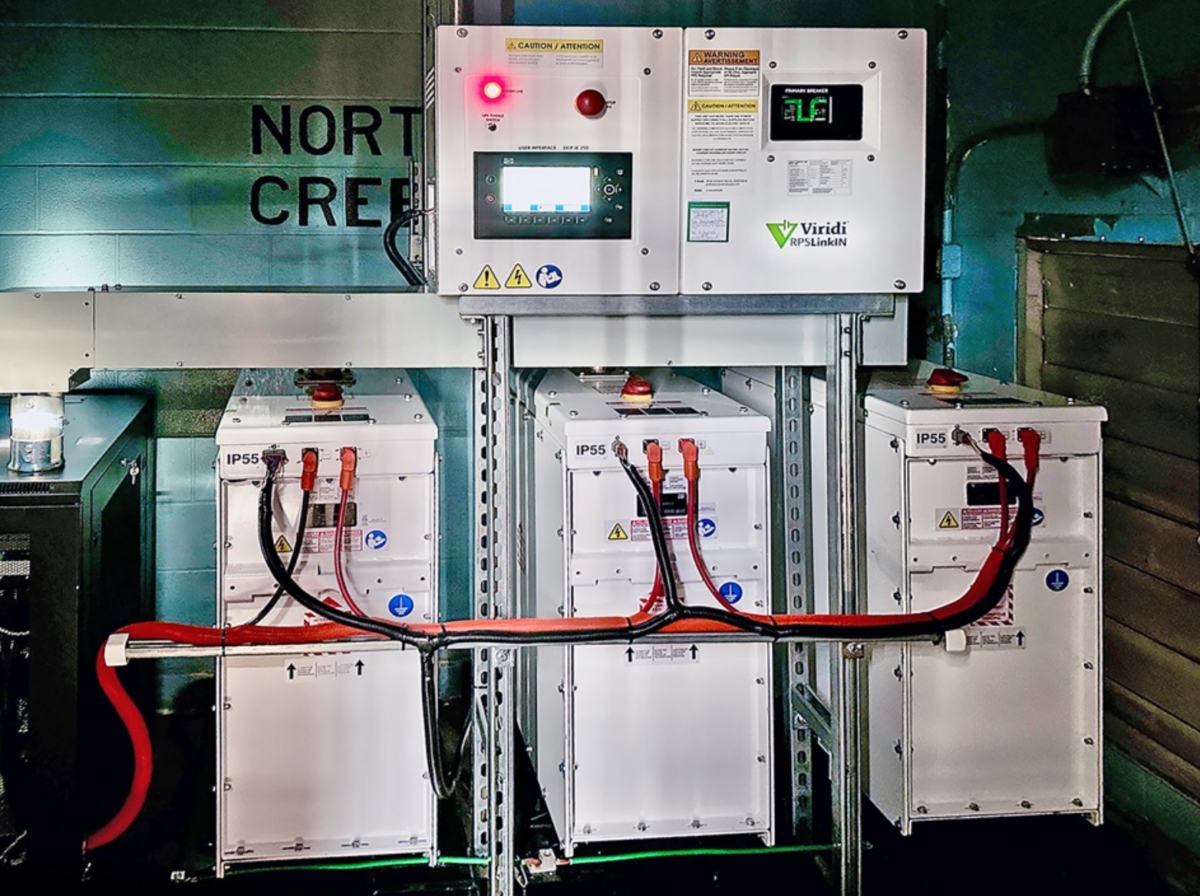
Viridi batteries have been deployed in New York to replace diesel generators, accelerating a trend of batteries replacing and supplementing generators of all sizes.
Viridi estimates that annual site and generator maintenance costs, such as fuel management, testing and maintenance, range from $8,000 to $15,000 per site. The company says Erie County is considering implementing nearly 100 similar pumping facilities.
Viridi’s system can be monitored and tested remotely, while generators require operators on site. If 100 locations were replaced, it would cost anywhere from $800,000 to $1.5 million in savings per year, including many hours of human driving around the city.
The $130,000 battery system receives a 40% tax credit under the 48E Inflation Reduction Act due to the domestic content of the batteries, which has a net cost of $78,000. The system has a lifespan of twenty years if it is not running continuously, as is the case with this backup installation. Viridi guarantees 4,000 full charge-discharge cycles before the battery can degrade to 80% of its original capacity.
Viridi provided pv magazine USA with the RPSLinkIN User Manual and the single line drawing of the Erie County installation shown above.
In Yucaipa, California, one of the nation’s largest water treatment and pumping facilities is nearing completion of a massive solar energy storage facility that will integrate grid-tied gas generators. In addition to cleaning up their electricity, Yucaipa Valley Water District (YVWD) facilities are essentially decommissioning multiple backup diesel generators at its two main locations.
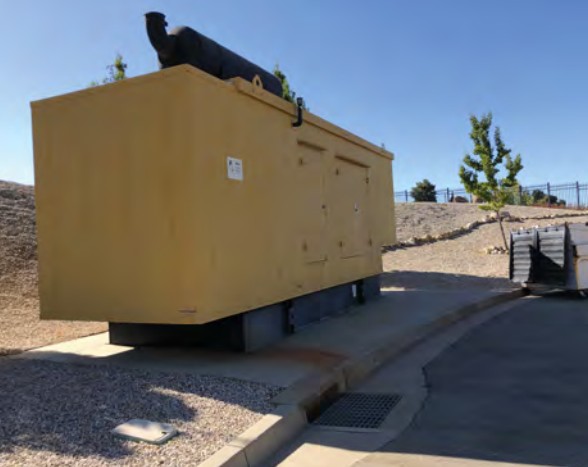
The solar, storage and gas network backup virtually guarantees that the facility will never fail in the fire-heavy, high-risk and semi-arid region of California. The water treatment and pumping facilities serve more than 50,000 residents and the businesses they run. If the water treatment plant is out of action long enough, it can take thirty days before the plant is operational again.
The new energy system is dimensioned in such a way that the water can remain moving for at least 72 hours, solely on solar energy and storage. Hypothetically, if the smoke associated with grid shutdowns due to bushfires reduces solar energy output, the grid-connected generators can run the facility and charge the batteries at the same time.
The YVWD has also worked with Tesla to electrify their distributed water pumps and like Erie, New York, they have retired many small-scale diesel generators.
Residential solar and storage projects also integrate generators. BD Electric, a residential installation company in Massachusetts, recently installed an Enphase residential solar system using three of the company’s 5 kWh batteries. The system integrated the customer’s existing 20 kW Generac generator.
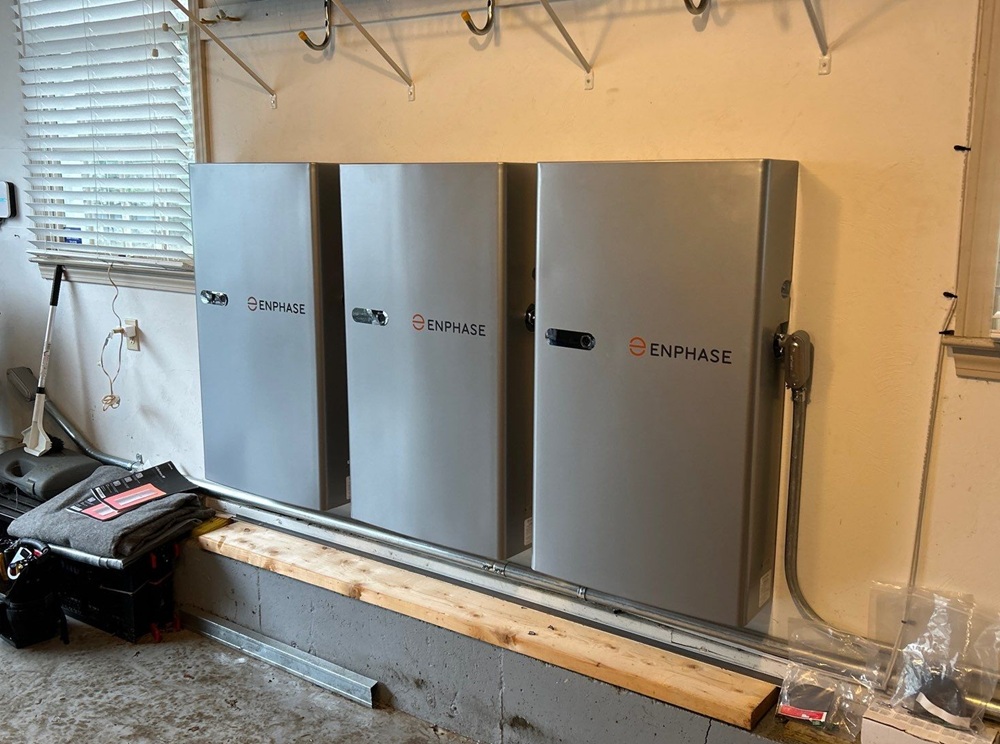
Using the Enphase controller system, the installation is designed so that the house can initially run on solar energy, if available. Then the house will use the energy stored in the batteries. The generator is switched on when both the solar energy and the batteries are not sufficient to keep the control system running.
A key feature of the Enphase Envoy system is that the generator can simultaneously power the home and charge the battery. This allows the generator to work more efficiently, and once it is fully charged, the batteries can take over and shut down the fuel-burning machine.
This content is copyrighted and may not be reused. If you would like to collaborate with us and reuse some of our content, please contact: editors@pv-magazine.com.
Popular content

