

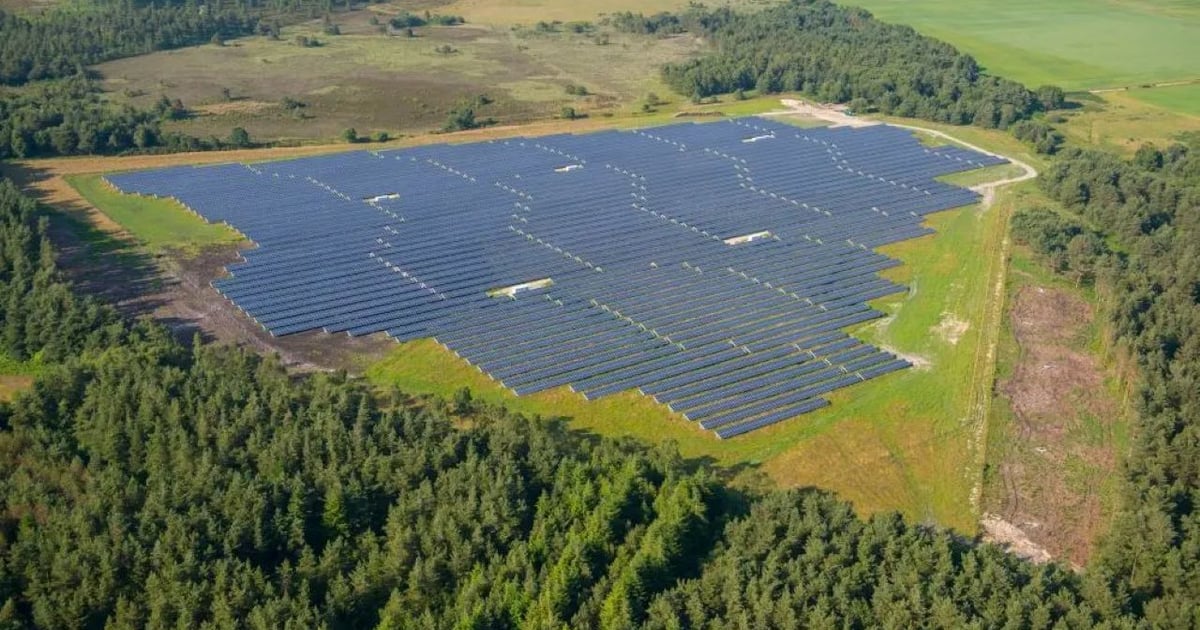
Consumers have the opportunity to invest in Britain’s ‘first’ community-owned battery energy storage system (BESS).
Low Carbon Hub, an Oxfordshire-based developer of community-owned renewable energy projects, is inviting investment in the 3MW/12MWh BESS, located next to the Ray Valley solar power station.
In one go the largest community solar project in Britainthe 19MW Ray Valley solar project came online in 2022.
Low Carbon Hub now plans to install battery energy storage at the site to “ensure more clean energy is used and more money is generated for communities,” the report said. As such, members of the public and organizations can purchase shares in the Community Energy Fund through direct impact investment platform Ethex.
Investments start at €100, with a maximum of €100,000. The capital raised will finance the installation of the BESS facility at the site.
The Low Carbon Hub model offers investors returns from the profits it makes by feeding the electricity generated at community-owned sites back into the grid, which it also uses to fund energy upgrades for local properties such as schools.
The organization has 56 renewable energy sites, including hydro dams on the River Thames. The BESS would be the first in its portfolio and even the first to be financed through a community equity offering. The project was “catalyzed” by a philanthropic loan through the We Have the POWER project.
Community energy is a focus area of the UK Government’s renewable energy plans objectives of its flagship Great British Energy Company being supporting “more than 1,000” community and local energy projects.
It will run the government £1 billion local energy plan. GB Energy is currently “exploring” financing models for the program, including early stage project development grants, targeting both community energy groups and partnerships between these groups and local authorities; construction and operating loans, including a shared ownership loan; and a “Local Investment Fund” to identify and finance viable project opportunities.
It will also provide advice to communities looking to install energy projects. Under the Local Energy Plan, the Department for Energy Security and Net Zero (DESNZ) will assess a “mandatory shared ownership” offer for renewable energy projects, which could require local communities to be given the opportunity to own some of the energy infrastructure in their area.
Think tank Regen highlighted community ownership models in a paper last year Best practices in community engagement. Eden Renewables’ Forest Gate solar power plant was cited as an example; A contributed article for Solar energy portal by the company’s head of development, Ross Wolhuter, explains the benefits that community ownership brings to both developers and consumers.
