Powered by a select group of high-capacity manufacturers, including T1 Energy and Canadian Solar, Texas is expected to produce more than 15 GW of solar PV modules by 2026, accounting for nearly half of all U.S. silicon production and serving as the main hub for the inaugural Solar Manufacturing USA conference in Austin in September.
Solar PV module production in Texas is expected to exceed 15 GW by 2026, making the state the clear leader today in the drive to ramp up domestic production in the United States, potentially accounting for nearly 50% of all silicon-based PV modules made in the United States this year.
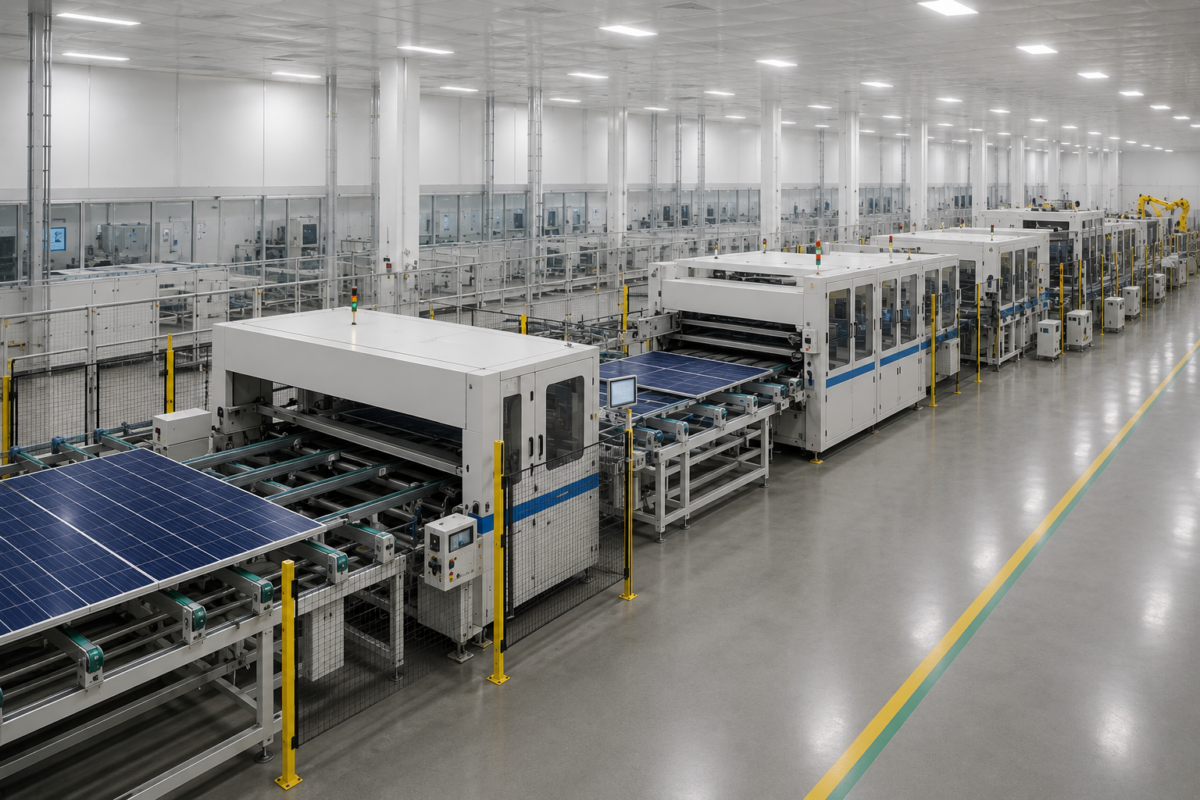
While investments in the domestic solar PV ecosystem are spread across much of the country, Texas has become the location of choice for a select group of silicon-based PV manufacturers that have efficiently ramped up production lines to multi-gigawatt levels, including T1 Energy, SEG Solar, Canadian Solar, Waaree Energies, Imperial Star and TOYO Solar.
Hence the new Solar energy production USA conference will take place in Austin, Texas on September 22-23, 2026. We could have chosen other locations for what will be the first domestic-only U.S. PV manufacturing event, but the current concentration of module-level manufacturing in Texas – and associated material supply – puts the state at the forefront of the revival of domestic PV manufacturing in the United States.
Event visitors will have the opportunity to visit some of the local factories the day after the event on September 24.
The figure shows the dramatic increase in module production in Texas since 2024, first with Canadian Solar and shortly after with T1 Energy, while SEG Solar, Waaree Energies and Imperial Star have also ramped up GW-scale capacity through 2025.
With this concentration of module assembly underway, Texas effectively becomes the litmus test for how the United States can effectively land the necessary raw materials for module production: cells made in Texas or shipped from cell-specific factories elsewhere; and similarly for solar glass, backing plates, films, frames and other BOM requirements.
Simply knowing how the major module manufacturers in Texas will backward integrate today will be an important part of the entire U.S. solar manufacturing landscape in the years to come. Will these companies all ramp up their cell lines by 2027? Which will be the first to announce ingot and wafer operations?
For more information about Solar energy production US 2026including options to get involved in speaking at the conference and the full two-day agenda topics, the event portal can be viewed here.
This content is copyrighted and may not be reused. If you would like to collaborate with us and reuse some of our content, please contact: editors@pv-magazine.com.
Popular content