

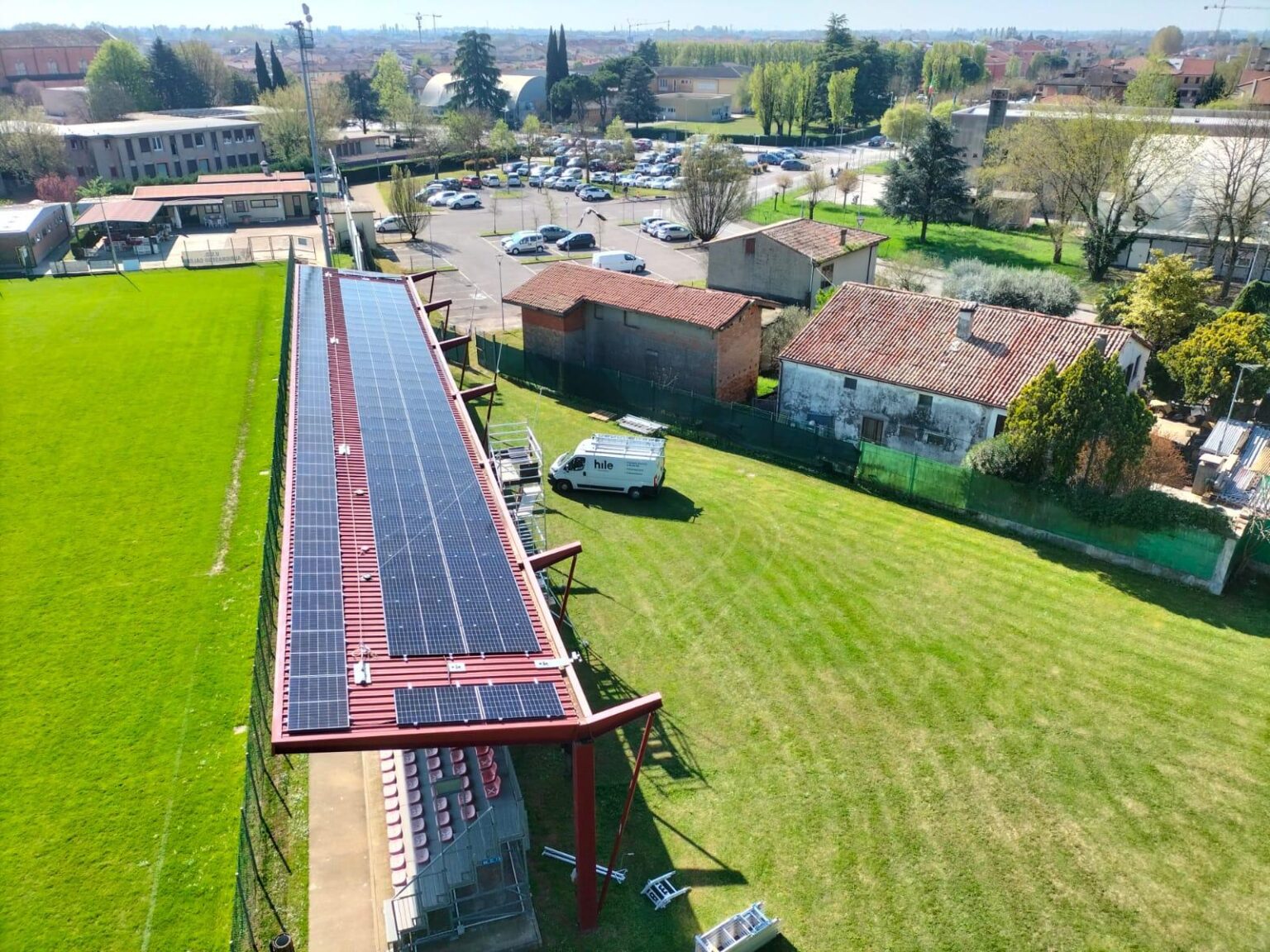
The Italian Ministry of Environment and Energy Safety (MASE) has approved the agreement list of applications admitted to the evaluation phase of a national incentive program to support photovoltaic energy self-consumption projects developed by companies in the southern regions of the country.
According to the ministry’s latest decision, 566 applications have been successfully submitted, with a total requested incentive value of approximately €59 million ($67.4 million). This amount is significantly lower than the total financial allocation of €262 million for the programme, leaving more than €200 million available.
The scheme was initially launched in October 2025 under Ministerial Decree 424/2025. The original application deadline, set for March 3, was later extended to July 3 to encourage broader participation from eligible businesses and support the full use of allocated funds.
An initial assessment of the submitted applications shows that the largest contribution requested related to MI.LO. Srl, a company based in Puglia, which has submitted a project with a total investment value of more than €30 million. Meanwhile, the highest evaluation score was awarded to SGM Impianti Srl, based in Sicily, which achieved a top score on almost all evaluation criteria.
The Italian energy agency Gestore dei servizi Energeci (GSE) is now starting the technical assessment phase. Applications will be examined according to the ranking established on the basis of project scores, with checks aimed at ensuring completeness and compliance with the requirements of the call.
If additional information, data or documentation is required, GSE may request further clarification from applicants, who will have 30 days to provide the requested materials.
The incentive program supports the construction or expansion of photovoltaic systems with a nominal capacity ranging from 10 kW to 1 MW. The level of support varies depending on company size and project type.
For photovoltaic installations, eligible companies can receive incentives covering between 38% and 58% of the investment costs. The level of support for thermal PV systems is increasing, ranging from 43% to 63%, while battery energy storage systems (BESS) can achieve coverage between 28% and 48%.
The relatively low number of applications compared to the available budget indicates that significant financing capacity remains available for companies looking to reduce electricity costs through on-site sustainable generation.
