In the first part of this series, pv magazine assessed the productive lifespan of solar panels, which are quite resilient. In this part, we explore residential solar inverters in their different forms, how long they last, and how resilient they are.
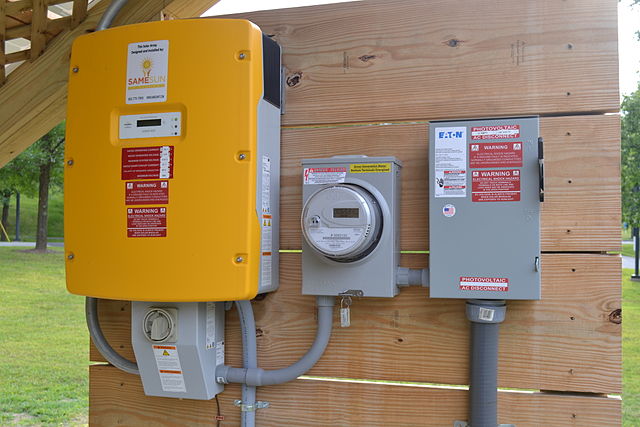
The inverter, a device that converts the direct current produced by solar panels into usable alternating current, can come in a number of different configurations.
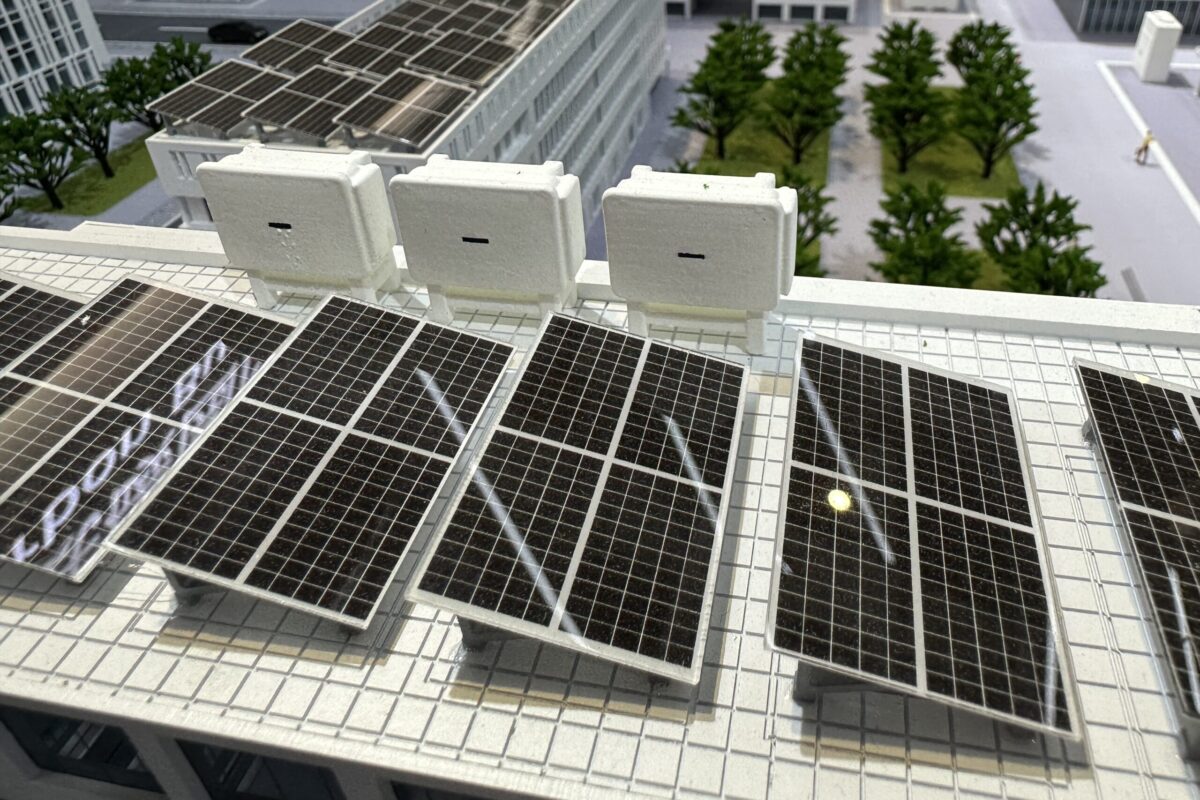
The two main types of inverters in residential applications are string inverters and microinverters. In some applications, string inverters are equipped with module-level power electronics (MLPE) called DC optimizers. Microinverters and DC optimizers are generally used for roofs with shady conditions or suboptimal orientation (not south-facing).
Image: Solar Reviews
In applications where the roof has a favorable azimuth (orientation to the sun) and has few shading problems, a string inverter can be a good solution.
String inverters generally come with simplified wiring and a central location for easier repairs by solar technicians. They are usually cheaper, according to Solar Reviews. Inverters can typically cost 10-20% of the total solar panel installation, so choosing the right one is important.
How long do they last?
Although solar panels can last 25 to 30 years or more, inverters generally have a shorter lifespan due to their more rapidly aging components. A common source of failure in inverters is the electromechanical wear of the capacitor in the inverter. The electrolyte capacitors have a shorter lifespan and age faster than dry components, said Solar Harmonics.
said EnergySage that a typical residential centralized string inverter lasts about 10 to 15 years, so will need to be replaced at some point during the life of the panels.
String inverters generally have standard warranties ranging from 5-10 years, many with the option to extend to 20 years. Some solar contracts include free maintenance and monitoring for the life of the contract, so it is wise to assess this when selecting inverters.
Microinverters have a longer lifespan. EnergySage said they often last 25 years, almost as long as their panel counterparts. Roth Capital Partners said its industry contacts generally report problems with microinverters significantly less often than with string inverters, although upfront costs are generally slightly higher with microinverters.
Microinverters typically have a standard warranty of 20 to 25 years. It should be noted that although microinverters have a long warranty, they are still a relatively new technology in the past decade, and it remains to be seen whether the equipment will live up to its twenty-plus year promise.
The same goes for DC optimizers, which are typically combined with a centralized string inverter. These components are designed to last 20-25 years and have a warranty to match that period.
As far as inverter providers are concerned, some brands have a dominant market share. In the United States, Enphase is the market leader in microinverters, while SolarEdge is the leader in string inverters. Tesla has been making waves in residential string inverters and gaining market share, although it remains to be seen how much of an impact Tesla’s entry will have in the market, according to an industry note from Roth Capital Partners.
(Read: “American solar installers cite Qcells and Enphase as top brands“)
Failures
A study by kWh Analytics has shown that 80% of malfunctions in solar panels occur at the inverter level. There are numerous causes for this.
According to Fallon SolutionsOne cause is grid failures. High or low voltage due to a grid fault can cause the inverter to stop working, and circuit breakers or fuses can be tripped to protect the inverter from high voltage faults.
Sometimes a failure can occur at the MLPE level, exposing power optimizer components to higher temperatures on the roof. If there is reduced production, this could be an error in the MLPE.
Installation must also be done correctly. As a rule of thumb, Fallon recommended that the capacity of the solar panel should be a maximum of 133% of the capacity of the inverter. If the panels are not properly matched to a properly sized inverter, they will not perform efficiently.
Maintenance
To make an inverter work more efficiently for a longer period of time, yes recommended to install the appliance in a cool, dry place with plenty of fresh air circulating. Installers should avoid areas with direct sunlight, although certain brands of outdoor inverters are designed to withstand more sunlight than others. And in multi-inverter installations, it is important to ensure that there is sufficient distance between each inverter so that no heat transfer occurs between the inverters.
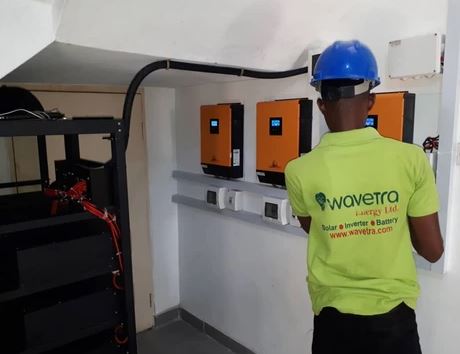
Image: Wikimedia Commons
It is good practice to inspect the exterior of the inverter (if it is accessible) quarterly. Ensure that there are no physical signs of damage and that all vents and cooling fins are free of dirt and dust.
It is also recommended that you schedule an inspection every five years by a certified solar installer. Inspections typically cost between $200 and $300, although some solar contracts offer free maintenance and monitoring for 20 to 25 years. During the inspection, the inspector should check the inside of the inverter for signs of corrosion, damage or pests.
In the next part of the series, pv magazine will investigate the longevity of residential battery energy storage applications.
This content is copyrighted and may not be reused. If you would like to collaborate with us and reuse some of our content, please contact: editors@pv-magazine.com.
Popular content