

According to a satellite analysis by Renoster and CarbonPlan, some forest carbon offsets sold by Finite Carbon, the largest offset company in the US, provide minimal climate benefits.
Founded in 2009 and acquired by BP in 2020, Finite Carbon manages more than 60 projects covering 1.6 million hectares. These offset projects generate a quarter of the US’s carbon credits.
Finite’s business model involves encouraging landowners to protect forests that are supposedly at risk of being cut down. The carbon absorbed by these protected trees generates credits that polluters can purchase to offset their emissions.
Finite claims to have offset more than 70 million tonnes of emissions since 2009 – more than double BP’s total emissions last year.
However, the credibility of Finite’s projects is under scrutiny amid growing concerns about the global carbon offset industry, which Barclays estimates could be worth $1.5 trillion by 2050.
An analysis of three projects representing nearly half of Finite Carbon’s $334 million credits revealed significant issues. Their findings were alarming: approximately 80% of the credits should not have been spent.
Finite’s carbon offsets under the microscope
The investigation into Finite Carbon’s offsets coincides with growing concerns about the carbon offset industry. US Treasury Secretary Janet Yellen recently emphasized the need to address the sector’s major challenges.
Finite Carbon defended its offsets, stating that all projects were independently verified and developed under California’s cap-and-trade program standards.
The offsets developer sells most of its credits under California’s cap-and-trade system, which requires excessive polluters to buy offsets. Critics argue that poor credit allows companies to continue polluting with impunity.
Finite’s compensation process involves calculating a baseline of how many trees would be cut without the project.
Renoster, an agency used by carbon credit buyers to verify real climate benefits, found significant problems in Finite’s offset projects.
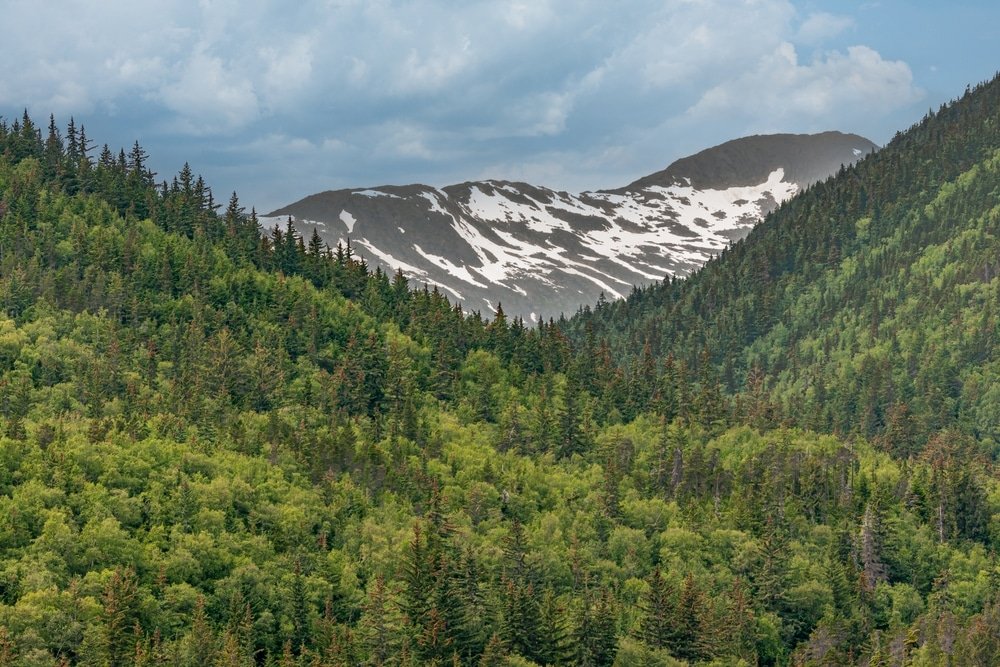
One project in the Alaska Panhandle included trees that were not at risk of being cut down, resulting in approx 79% of the credits deemed invalid by Renoster.
Finite’s 67,000-acre Sealaska project generated credits worth more than $100 million. The rating agency found that trees in the project area were unlikely to be cut due to extensive prior logging, making the credits unjustifiable. They were located in locations inaccessible to loggers, such as canyons and coastlines.
Finite’s approach of excluding logged areas and creating maps around small patches of forest, sometimes fewer than 50 trees, may comply with the technical rules, but undermines the spirit of the regulations.
Gerrymandering Credits: The Carbon Offset Integrity Crisis
Therefore, Renoster concluded that the project’s credits should not have been spent, labeling the practice as “cheating” and accusing them of deliberately manipulating project boundaries to maximize credits. Elias Ayrey, Renoster’s chief scientist, criticized this “gerrymandering,” which makes assessing real conservation efforts impossible.
Sealaska representatives defended the credits, claiming the remaining trees had economic value and could be legally harvested. Brian Kleinhenz, former director of Sealaska, argued that there was always market value for the trees, even in hard-to-reach areas.
The California Air Resources Board (CARB) supported the inclusion of these trees in baseline calculations. CARB spokesman Dave Clegern acknowledged his concerns but insisted the projects are in compliance with all regulations.
Another Finite project analyzed is a 200,000-acre forest in Washington state owned by the Confederate Tribes of the Colville Reservation. According to CarbonPlan scientist Grayson Badgley, it has significantly overestimated the threat of logging. He noted that awarding credits for avoiding unlikely logging activities undermines the integrity of the offsets.

The third project in West Virginia, covering 39,000 acres and involving Lyme Timber, which promised to preserve trees in exchange for credits, was also found to have received too much credit. Renoster concluded that many trees were located in steep, inaccessible areas, making logging economically unfeasible.
Lyme Timber president David Hoffer disputed Renoster’s findings, claiming their harvesting practices were conservative.
A way forward for the carbon offset industry
Finite Carbon’s controversial offset projects highlight the complexities and challenges within the carbon offset industry. The research underlines the urgent need for more transparency and accountability in the carbon offset market.
Amid all this turmoil, this moment offers a crucial opportunity for the sector to develop and increase its credibility.
By implementing stricter verification processes, embracing advanced monitoring technologies such as satellite analysis, and fostering collaboration among stakeholders, the carbon offset market can refine its practices and rebuild trust. Ultimately, these steps will ensure that carbon credits actually contribute to combating climate change.
