

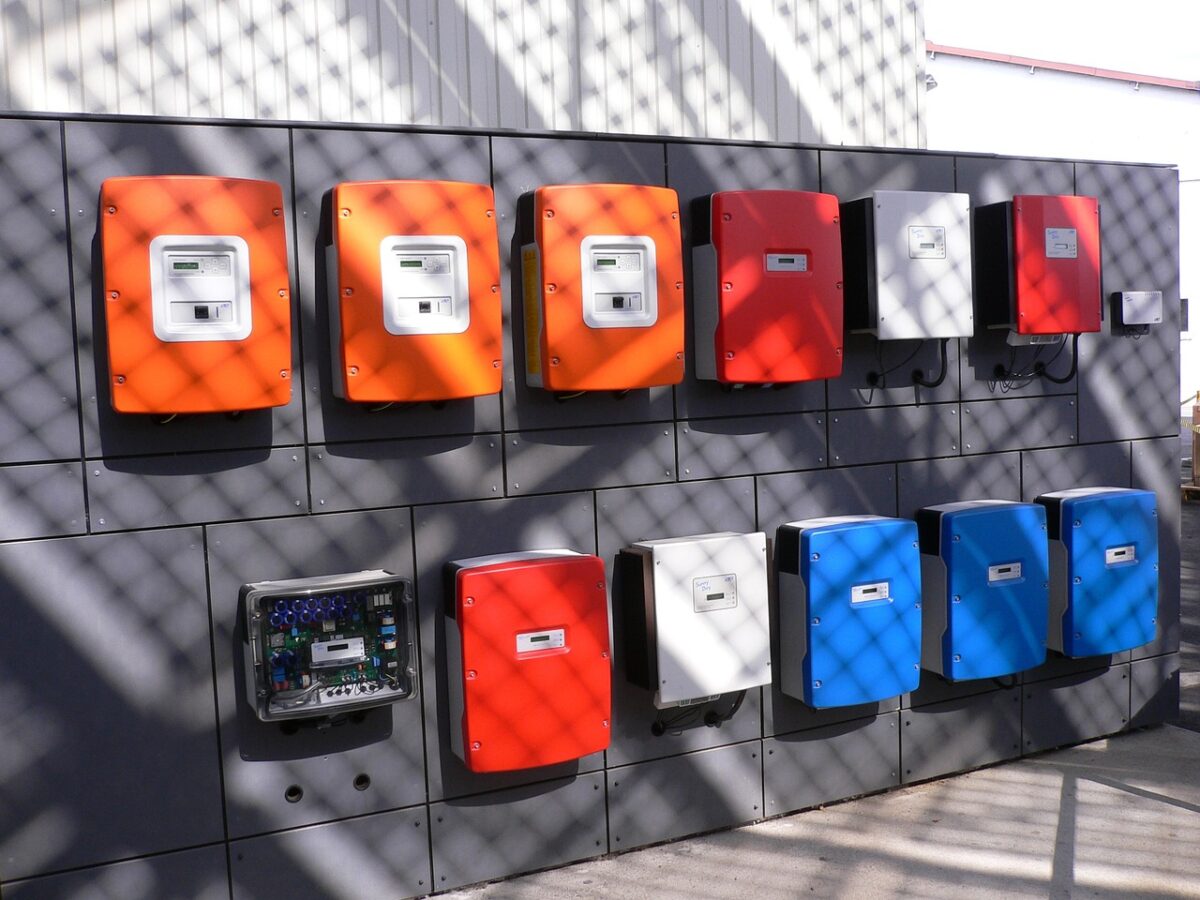
Belgian grid operator Fluvius says complaints about inverters have fallen by more than half since 2023, while solar panel connections rose 8.5% year on year in record sunshine.
Belgian grid operator Fluvius said the number of complaints it receives about solar inverter defects has fallen by more than half since 2023.
In 2023, the operator received more than 5,000 complaints about the failure of grid inverters when the electricity grid became overloaded. Inverter shutdowns are most likely when high levels of home solar generation, due to abundant sunshine, are combined with low consumption. This is a mechanism designed to protect both the electrical grid and the home solar system.
After launching an action plan for failing solar inverters, Fluvius said the number of relevant complaints will be halved by 2024. This downward trend continued in 2025, with Fluvius receiving 5% fewer complaints in the first five months of the year compared to the same period in 2024.
A study of 1 million connection points within the Fluvius network, carried out on a particularly sunny day in April this year, concluded that only 1% of solar inverters were at high risk of failure on such days.
Fluvius noted that the number of reported inverter defects has decreased, despite an 8.5% increase in the number of solar panels connected to the grid by 2025, and despite the fact that spring this year was sunnier than last year.
One of the targeted actions to reduce the number of inverter failures is the use of thicker overhead cables that can better handle the higher peaks in the electricity grid, according to Fluvius. The grid operator has also redesigned its network network controlleran online tool that allows consumers to determine whether or not they are at risk of their solar inverters failing. A new version of the checker will be launched this month, which places the inverter in a high, medium or low risk group. If a voltage problem has already occurred, the customer can view an estimated resolution time.
More permanent solutions to inverter failures include structural work on the electricity grid and the addition of substations, as outlined in Fluvius’ 10-year investment plan.
The company added that if an inverter fails and the cause of the failure is not related to the internal installation, customers within the area will continue to be entitled to compensation as long as the inverter is registered with the operator. The compensation system is in effect if consumers are not reconnected within 30 working days of a curtailment.
In September Fluvius said 81% of residential PV system owners in the Belgian region of Flanders had digital meters installed after the regional government made the switch obliged.
This content is copyrighted and may not be reused. If you would like to collaborate with us and reuse some of our content, please contact: editors@pv-magazine.com.
