

The government will include thermal batteries in its expanded Boiler Upgrade Scheme, in a bid to accelerate the pace of clean energy deployment in homes.
In an announcement from the Department for Energy Security and Net Zero (DESNZ), Energy Consumers Minister Martin McCluskey said the Government will offer a £2,500 discount on the cost of heating batteries, alongside advice on the role that innovative clean heating solutions can play, including thermal storage, infrared panels and renewable fuels.
Heat batteries store thermal energy from sources such as solar energy, wind energy or heat pumps and can remove that heat on demand. They generally function using a phase change material, which changes from solid to liquid when heated, and back again when it discharges its energy.
DESNZ is also introducing a £2,500 rebate on the cost of air-to-air heat pump installations, following a “record month” for heat pump installations in September.
These schemes are part of those of the government £13.2 billion Warm Homes scheme which is claimed to reduce energy bills for around 5 million households.
The government is also launching a consultation to explore alternative clean heating solutions “that could have a role in some homes”, such as infrared heating, solid biomass boilers using agricultural waste, and renewable liquid fuels, and to explore the role of innovative clean heating technologies in homes.
The expansion of the Boiler Upgrade Scheme was welcomed by the Association for Decentralized Energy (ADE), a trade body for the heat network and demand-side energy sectors, although it added that a “balanced approach is essential”.
The ADE has called for a “major boost” for heat networks – centrally providing heating or cooling for multiple buildings or customers – saying: “Where heat networks offer the best value for replacing gas boilers, equivalent support to the Boiler Upgrade Scheme should fund network connections.”
The use of heat pumps has increased significantly; the Heat Pump Association says sales increased dramatically in 2024, reaching more than 98,000, up from about 63,000 the year before. Although ADE said this happened mainly in detached and rural properties, leaving dense urban areas largely undeveloped.
Emily Baer, policy officer at ADE, said: “Heat pumps have fueled our clean energy revolution, but to truly transform the UK’s heating landscape we also need to invest in heat networks. By strengthening support for heat networks, we can drive innovation, create local jobs and ensure urban areas have access to sustainable heating. This approach will provide the cheapest route to heat decarbonisation.”
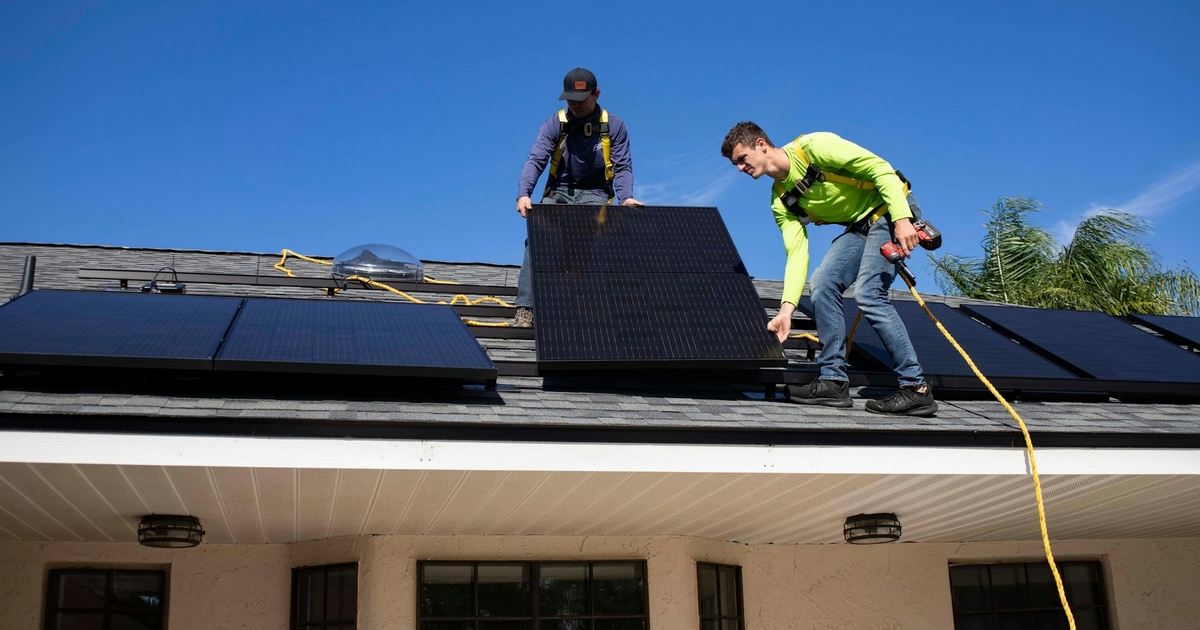
The adoption of renewable energy in homes is becoming a success story in Britain. Government measures such as the Warm Homes Plan and the Future Homes Standard, which orders solar energy on the roof have sought to increase distributed and residential renewable energy sources for all new homes. This is evident from data from the Microgeneration Certification Scheme (MCS). UK rooftop solar installations are at record levels by 2025 and the deployment of battery energy storage systems (BESS) has increased by 122% compared to 2024. Energy Secretary Ed Miliband has called rooftop solar “a slam dunk way to cut energy bills”.
