
Close Menu
  • News
  • Industry
  • Solar Panels
  • Commercial
  • Residential
  • Finance
  • Technology
  • Carbon Credit
  • More
    • Policy
    • Energy Storage
    • Utility
    • Cummunity
What's Hot

Dutch solar owners asked to switch off during peak periods to ease the distribution crisis

June 7, 2026

The hydrogen flow: Toyota demonstrates its racing prototype on liquid hydrogen

June 7, 2026

Era of electrification exposing Australia’s weakest link

June 6, 2026
Facebook X (Twitter) Instagram
Solar Energy News
Sunday, June 7
  • News
  • Industry
  • Solar Panels
  • Commercial
  • Residential
  • Finance
  • Technology
  • Carbon Credit
  • More
    • Policy
    • Energy Storage
    • Utility
    • Cummunity
Solar Energy News
Home - News - Floating Solar’s role in achieving Africa’s energy goals as an alternative to dams
News

Floating Solar’s role in achieving Africa’s energy goals as an alternative to dams

solarenergyBy solarenergyMay 2, 2024No Comments2 Mins Read
Facebook Twitter Pinterest LinkedIn Tumblr Email
Share
Facebook Twitter LinkedIn Pinterest Email

Floating Solar’s role in achieving Africa’s energy goals as an alternative to dams


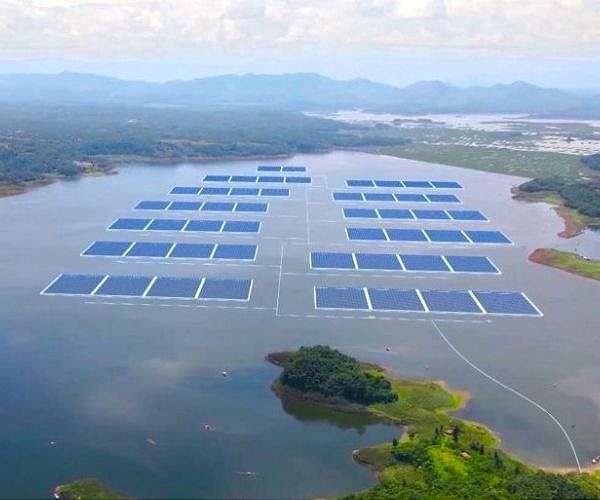
Researchers from Politecnico di Milano have identified floating solar photovoltaics (FPV) as a viable alternative to traditional hydropower in meeting Africa’s energy targets, according to a new study published in Nature Energy. The research shows that FPVs, installed in existing large reservoirs, could generate 20 to 100% of the expected electricity from planned hydropower dams across Africa.

The research, conducted using a comprehensive energy planning model, shows that FPV is not only cost-effective compared to other renewable sources, but also plays a crucial role in Africa’s energy future. “Floating solar has proven to be cost-competitive and could potentially eliminate the need for many new dams,” said Wyatt Arnold, the study’s lead author.

A detailed analysis of the transboundary Zambezi watercourse indicated that capital investments for new dams could be used more effectively by building fewer reservoirs and expanding them with floating solar panels. This strategy could reduce annual variability in electricity supply by 12% and increase resilience to long-term droughts exacerbated by climate change.

“Adopting floating solar energy can provide developing economies with a stable energy supply that is less sensitive to hydrological changes,” explains Prof. Andrea Castelletti. “Additionally, it mitigates negative impacts on downstream communities and river ecosystems compared to new dam projects.”

The study also underlines the importance of integrated resource planning and the need to consider transboundary impacts in sustainable development. It promotes multi-sectoral modeling that integrates energy, agriculture, environmental protection and economic growth within river basins.

See also  The government approves a 190MW solar power plant in North Yorkshire

Prof. Matteo Giuliani noted: “The strategic deployment of floating solar energy could outweigh the potential drawbacks for reservoir uses such as fishing or recreation. Still, continued improvements in FPV technology and effective planning are essential for its responsible implementation.”

While floating solar offers significant environmental benefits, the study acknowledges challenges in technology and social acceptance that may limit its deployment. Nevertheless, these challenges are likely to have less impact than the negative consequences of new hydropower projects, which can disrupt river ecologies, displace populations and increase regional conflicts over water use.

Research report:Floating solar energy is emerging as a sustainable energy solution for Africa’s future


Source link

achieving Africas alternative dams Energy floating goals role Solars
Share. Facebook Twitter Pinterest LinkedIn Tumblr Email
solarenergy
  • Website

Related Posts

Britain’s next energy dependency is already taking shape

June 5, 2026

ComEd starts a new energy pilot with a solar rebate on the roof of a brewery

June 5, 2026

Malaysia expects to reach 29.7 GW of solar energy by 2035

June 5, 2026
Leave A Reply Cancel Reply

Don't Miss
Policy

France allocates 49.8 MW to PV tenders for non-interconnected areas – SPE

By solarenergyMay 7, 20240

CRE, the French energy regulator, initially planned to allocate 99 MW in its PV tender…

Radian Generation has been called upon to provide security services for a 525 MW solar project

December 1, 2025

Anti-pollution coating increases the current of PV panels in dry areas by 64.7% – SPE

November 9, 2024

Indian Emmvee Energy signs a TOPCon supply agreement for 4.5 GWp solar cells

December 9, 2025
Stay In Touch
  • Facebook
  • Twitter
  • Pinterest
  • Instagram
  • YouTube
  • Vimeo
Our Picks

Dutch solar owners asked to switch off during peak periods to ease the distribution crisis

June 7, 2026

The hydrogen flow: Toyota demonstrates its racing prototype on liquid hydrogen

June 7, 2026

Era of electrification exposing Australia’s weakest link

June 6, 2026

‘Come out from behind your screen, our industry is ultimately about people’

June 6, 2026
Our Picks

Dutch solar owners asked to switch off during peak periods to ease the distribution crisis

June 7, 2026

The hydrogen flow: Toyota demonstrates its racing prototype on liquid hydrogen

June 7, 2026

Era of electrification exposing Australia’s weakest link

June 6, 2026
About
About

Stay updated with the latest in solar energy. Discover innovations, trends, policies, and market insights driving the future of sustainable power worldwide.

Subscribe to Updates

Get the latest creative news and updates about Solar industry directly in your inbox!

Facebook X (Twitter) Instagram Pinterest
  • Contact
  • Privacy Policy
  • Terms & Conditions
© 2026 Tsolarenergynews.co - All rights reserved.

Type above and press Enter to search. Press Esc to cancel.