
Close Menu
  • News
  • Industry
  • Solar Panels
  • Commercial
  • Residential
  • Finance
  • Technology
  • Carbon Credit
  • More
    • Policy
    • Energy Storage
    • Utility
    • Cummunity
What's Hot

Fraunhofer ISE develops colored film technology for patterned solar panels

April 23, 2026

Thermoacoustic heat pumps are on the verge of commercial breakthrough – SPE

April 23, 2026

The federal court has halted Trump administration orders that hinder solar and wind energy development

April 23, 2026
Facebook X (Twitter) Instagram
Solar Energy News
Thursday, April 23
  • News
  • Industry
  • Solar Panels
  • Commercial
  • Residential
  • Finance
  • Technology
  • Carbon Credit
  • More
    • Policy
    • Energy Storage
    • Utility
    • Cummunity
Solar Energy News
Home - News - Graphene solar cells promise long-lasting, self-powered sensor networks
News

Graphene solar cells promise long-lasting, self-powered sensor networks

solarenergyBy solarenergyNovember 15, 2025No Comments2 Mins Read
Facebook Twitter Pinterest LinkedIn Tumblr Email
Share
Facebook Twitter LinkedIn Pinterest Email


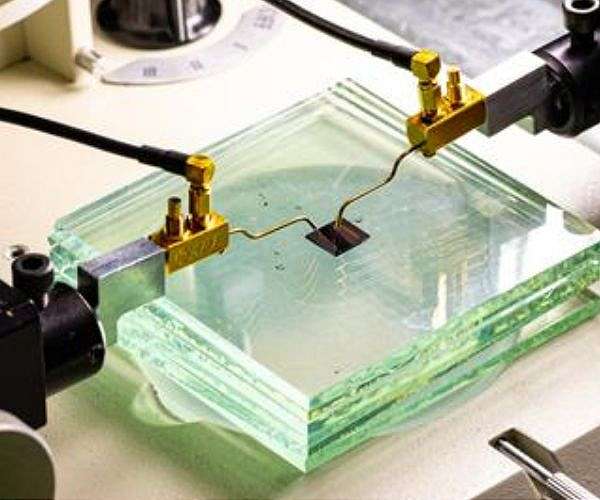
A team from the University of Arkansas and the University of Michigan has demonstrated the first use of temperature sensors powered solely by graphene-based solar cells, laying the foundation for battery-free sensor systems. Using graphene’s extraordinary energy harvesting ability, these devices can capture energy from their environment, including solar, thermal, acoustic and kinetic sources.

The researchers built dozens of graphene-silicon solar cells and connected them in series to increase the voltage output. These were used to charge storage capacitors, allowing the sensors to operate independently for over 24 hours after just a few minutes of charging. The absence of conventional batteries significantly extends operational life, enabling sensor deployments that can run for decades with minimal maintenance.

Reducing the sensors’ power requirement to nanowatt levels was a crucial achievement – about a thousand times lower than that of many current devices. By removing power management units and running the sensors directly from the storage capacitors, energy waste was further minimized. This efficiency makes these sensors well suited for remote or harsh environments where maintaining or replacing batteries is impractical.

Graphene’s robust structure also provides physical flexibility and durability, allowing for lighter, thinner and more resilient solar panels. These properties allow graphene-based panels to outperform traditional materials in terms of efficiency, especially under suboptimal lighting. The technology is well suited for integration into the Internet of Things and supports long-term distributed monitoring in applications such as agriculture, climate studies, infrastructure management and industrial automation.

Physicist Paul Thibado of the University of Arkansas, who is leading the graphene harvesting initiative, notes that there are ongoing efforts to integrate additional energy harvesting modes – such as kinetic harvesters – into the sensor arrays. With funding from the WoodNext Foundation and commercial interest from NTS Innovations, practical implementations are now being considered.

See also  Great British Energy expands public solar financing

The findings provide a path to a new generation of autonomous sensors, which can support critical monitoring without relying on conventional batteries.

Research report:An array of mini graphene-silicon solar cells intermittently charges storage capacitors that power a temperature sensor


Source link

cells graphene longlasting networks promise selfpowered sensor solar
Share. Facebook Twitter Pinterest LinkedIn Tumblr Email
solarenergy
  • Website

Related Posts

Fraunhofer ISE develops colored film technology for patterned solar panels

April 23, 2026

The federal court has halted Trump administration orders that hinder solar and wind energy development

April 23, 2026

Solar energy’s rebound effect could increase European electricity demand by 5% by 2050 – SPE

April 23, 2026
Leave A Reply Cancel Reply

Don't Miss
Policy

Key insights from SolarEx Istanbul – SPE

By solarenergyApril 12, 20260

The 18th edition of SolarEx Istanbul brought together the full spectrum of Türkiye’s solar ecosystem…

The Nedo of Japan opens Fiscal 2025 Financing Round for Solar Tech Innovation – PV Magazine International

April 18, 2025

VK Plant Solar ‘Revolution’ for new houses

June 8, 2025

US companies have set new records in solar and storage deployment

November 20, 2024
Stay In Touch
  • Facebook
  • Twitter
  • Pinterest
  • Instagram
  • YouTube
  • Vimeo
Our Picks

Fraunhofer ISE develops colored film technology for patterned solar panels

April 23, 2026

Thermoacoustic heat pumps are on the verge of commercial breakthrough – SPE

April 23, 2026

The federal court has halted Trump administration orders that hinder solar and wind energy development

April 23, 2026

Zendure launches battery ranges for residential PV – SPE

April 23, 2026
Our Picks

Fraunhofer ISE develops colored film technology for patterned solar panels

April 23, 2026

Thermoacoustic heat pumps are on the verge of commercial breakthrough – SPE

April 23, 2026

The federal court has halted Trump administration orders that hinder solar and wind energy development

April 23, 2026
About
About

Stay updated with the latest in solar energy. Discover innovations, trends, policies, and market insights driving the future of sustainable power worldwide.

Subscribe to Updates

Get the latest creative news and updates about Solar industry directly in your inbox!

Facebook X (Twitter) Instagram Pinterest
  • Contact
  • Privacy Policy
  • Terms & Conditions
© 2026 Tsolarenergynews.co - All rights reserved.

Type above and press Enter to search. Press Esc to cancel.