
Close Menu
  • News
  • Industry
  • Solar Panels
  • Commercial
  • Residential
  • Finance
  • Technology
  • Carbon Credit
  • More
    • Policy
    • Energy Storage
    • Utility
    • Cummunity
What's Hot

Inside PV Manufacturing: Belga Solar’s module factory in Belgium

April 23, 2026

Solar energy’s rebound effect could increase European electricity demand by 5% by 2050 – SPE

April 23, 2026

Repowering key for Japanese solar assets nears end of feed-in tariff – SPE

April 23, 2026
Facebook X (Twitter) Instagram
Solar Energy News
Thursday, April 23
  • News
  • Industry
  • Solar Panels
  • Commercial
  • Residential
  • Finance
  • Technology
  • Carbon Credit
  • More
    • Policy
    • Energy Storage
    • Utility
    • Cummunity
Solar Energy News
Home - Energy Storage - Grid tariffs for energy storage in Ireland reduced
Energy Storage

Grid tariffs for energy storage in Ireland reduced

solarenergyBy solarenergyApril 20, 2026No Comments3 Mins Read
Facebook Twitter Pinterest LinkedIn Tumblr Email
Share
Facebook Twitter LinkedIn Pinterest Email

This, the CRU says, would avoid distortions arising from volumetric charging on ESUs, and create a level playing field between ESUs in the Internal Electricity Market (SEM) in Ireland and Northern Ireland, and between ESUs and other generation technologies providing the same services. It will also provide location signals for ESUs.

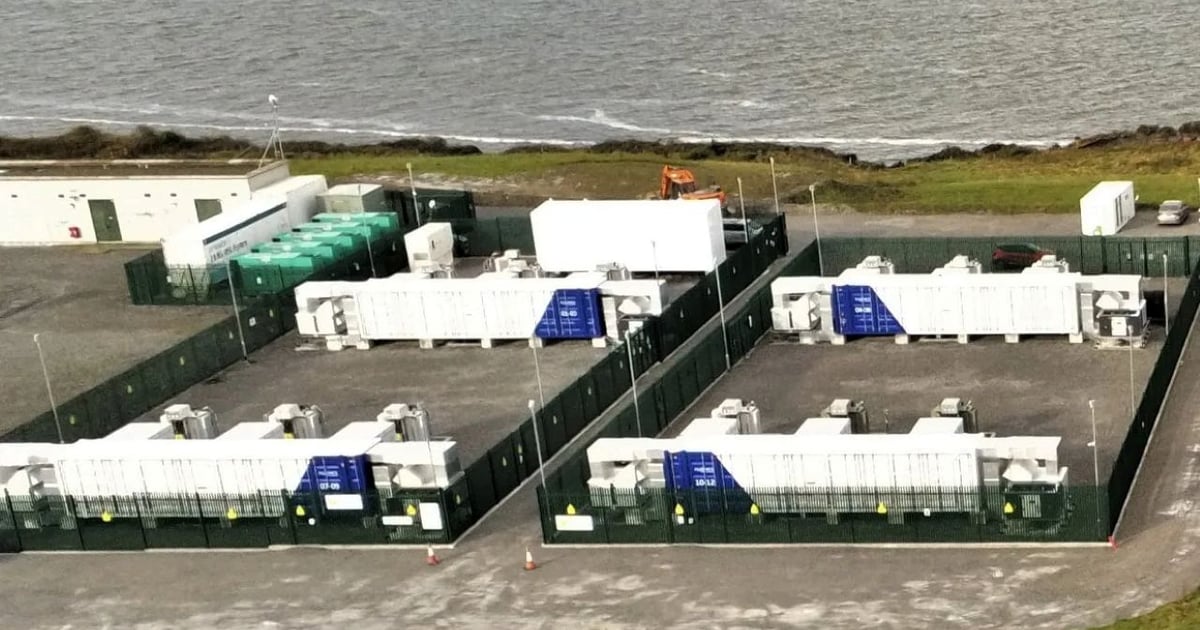
Since 2020, battery energy storage systems (BESS) have been operating under a scheme introduced by the CRU as an interim decision stating that ESUs would only pay D-TUoS, and not both generator and demand fees, as previously required.

However, the CRU now acknowledges that the decision “may not accurately reflect the costs imposed by BESS on the network and represents a potential barrier to entry”.

Indeed, in 2020 the CRU planned a full review of network tariffs as part of a wider review of Electricity Network Tariffs 2 (the ENTSR), but that was postponed in 2022 to use CRU resources to manage the impact of Russia’s invasion of Ukraine.

Related:Home battery company GivEnergy appoints administrators after ‘serious setback for the industry as a whole’

Furthermore, the CRU notes that there has been increased investment in energy storage in Ireland since 2020 and that the role of BESS has “substantially” changed from providing system support to being able to participate in the wholesale market.

As such, the regulator plans to implement a revised interim decision to specify that ESUs must pay G-TUoS, and not D-TUoS.

While this will increase costs for the remaining D-TUoS customers, the importance of ESUs in delivering the “future energy system”, one based on renewable energy sources, means it plans to make the change anyway. The CRU estimated a 2% increase in costs, with an additional 0.2% increase in standard domestic energy bills.

See also  Video: Government focused on LDES implementation

The trade body representing the energy storage sector in Ireland, Energy Storage Ireland, called the CRU position “great news for the Irish storage industry”. It also notes that figures from Economic Consulting Associates (ECA), cited in the CRU’s decision, suggest that the benefit of removing D-TUoS fees is a 30% increase in storage usage, resulting in a net saving for customers of €37 million (£32.2 million) per year.

The Irish government is working towards a target of 80% renewable energy sources (RES) by 2030. The CRU said further investment in ESU capacity will be needed to meet this.

This was evident from figures from grid operator EirGrid last week Renewables met just under 49% of Ireland’s electricity demand in March.


Source link

Energy grid Ireland reduced storage tariffs
Share. Facebook Twitter Pinterest LinkedIn Tumblr Email
solarenergy
  • Website

Related Posts

Peru opens complementary services market to support renewable energy sources – SPE

April 23, 2026

Low-pressure hydrogen bridges seasonal gaps in Japanese solar-powered buildings – SPE

April 22, 2026

SolarEdge focuses on C&I with new all-in-one battery – SPE

April 22, 2026
Leave A Reply Cancel Reply

Don't Miss

Trina Storage and Lightshift Energy strengthen partnership to deploy 1 GWh ESS

By solarenergyDecember 12, 20250

By Brad Kramer December 10, 2025 Energy storage provider Trina Storage and developer, owner and…

Air Energy launches to bring solid-state lithium-air batteries closer to commercialization – SPE

November 29, 2024

Solar Panel Efficiency vs. Temperature (2024)

September 24, 2024

Top cell transparency remains a critical challenge for tandem solar cells – PV Magazine International

April 28, 2025
Stay In Touch
  • Facebook
  • Twitter
  • Pinterest
  • Instagram
  • YouTube
  • Vimeo
Our Picks

Inside PV Manufacturing: Belga Solar’s module factory in Belgium

April 23, 2026

Solar energy’s rebound effect could increase European electricity demand by 5% by 2050 – SPE

April 23, 2026

Repowering key for Japanese solar assets nears end of feed-in tariff – SPE

April 23, 2026

Peru opens complementary services market to support renewable energy sources – SPE

April 23, 2026
Our Picks

Inside PV Manufacturing: Belga Solar’s module factory in Belgium

April 23, 2026

Solar energy’s rebound effect could increase European electricity demand by 5% by 2050 – SPE

April 23, 2026

Repowering key for Japanese solar assets nears end of feed-in tariff – SPE

April 23, 2026
About
About

Stay updated with the latest in solar energy. Discover innovations, trends, policies, and market insights driving the future of sustainable power worldwide.

Subscribe to Updates

Get the latest creative news and updates about Solar industry directly in your inbox!

Facebook X (Twitter) Instagram Pinterest
  • Contact
  • Privacy Policy
  • Terms & Conditions
© 2026 Tsolarenergynews.co - All rights reserved.

Type above and press Enter to search. Press Esc to cancel.