

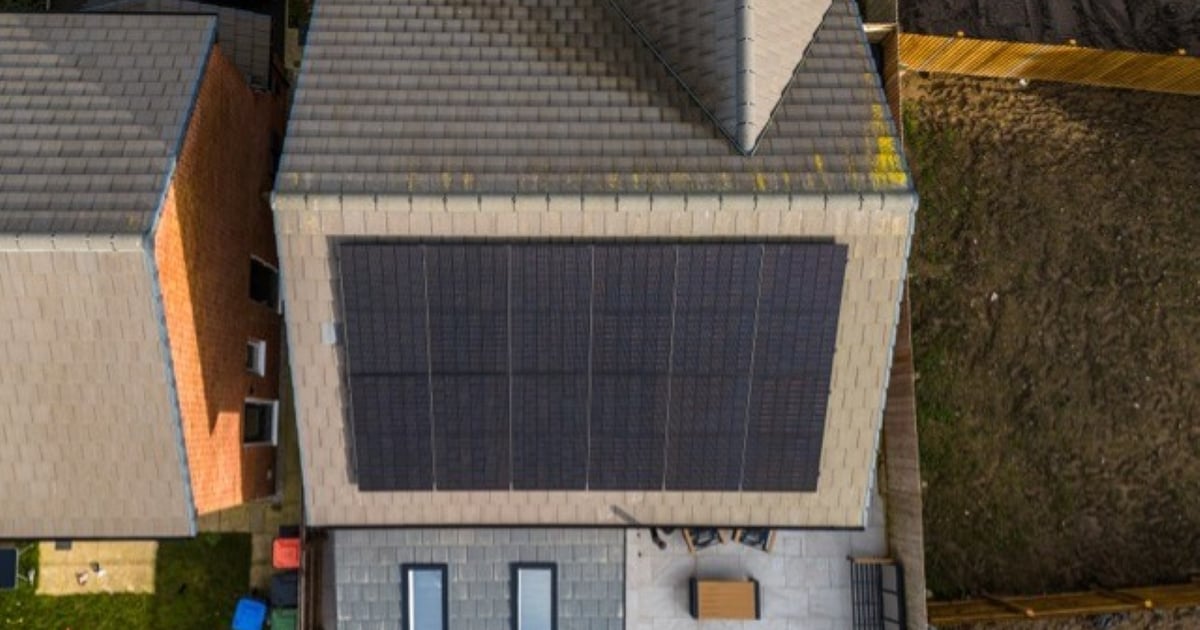
UK clean energy platform Heva Energy has launched a salary sacrifice program for residential solar, battery storage and EV charging points, allowing employees to install systems without upfront costs or credit checks.
According to Heva Energy, electricity prices in Britain have risen by an average of 6% per year since 2000, outpacing headline inflation and increasing interest in self-generation and energy storage technologies.
The scheme allows employees to finance clean energy systems in homes through pre-tax payroll deductions, mirroring the model widely used in the UK electric vehicle sector. The company said the offer comes as UK households face continued pressure from rising electricity prices and energy market volatility.
The plan includes solar panels, home battery storage systems and EV charging stations with hardware from Tesla and EcoFlow. Heva said all installations are carried out by vetted installers and include a 21-day service level agreement for repair or replacement.
Under the model, employees are given access through their employer to systems whereby reimbursements are deducted from the gross salary before the calculation of income tax and national insurance contributions. The company said this could reduce total system costs by as much as 42% for taxpayers on higher rates, compared to traditional consumer financing schemes, which the company said typically have interest rates of around 12% APR.
Heva Energy said that an average worker earning £60,000 with a company EV and a detached house could install a full solar, battery and charging point package for a net monthly cost of £123 after tax savings, while generating around £171 per month in energy savings.
The company added that battery-only systems are also available for workers without electric vehicles, allowing households to store cheaper off-peak electricity and discharge it during peak periods.
According to Heva, the model also offers savings for employers, reducing National Insurance contributions by around £2,500 annually per participating employee without incurring balance sheet risk. Existing participating organizations include the National Health Service and the National Lottery Community Fund.
“The disruption in energy prices is not short-lived. It is a structural shift, and most households have no mechanism to protect themselves against it. Consumer financing for solar energy locks you into credit checks and a 12% interest rate, while salary sacrifices remove both barriers and deliver the biggest savings to those who need them most. This is about transforming energy independence from a luxury to a workplace benefit accessible to every taxpayer. We have seen demand increase in a month triple. People look at their bills and decide they want a way out.” Ian Napier, co-founder of Heva Energy, said.
Heva Energy said demand for the plan has tripled in the past month as HR and sustainability teams look to address pressure on employees’ living costs and corporate decarbonization targets.
The company added that payments can be automatically paused during parental leave or when an employee changes employers, while end-of-term options include purchasing the system at fair market value or continued use through a nominal monthly fee.
