

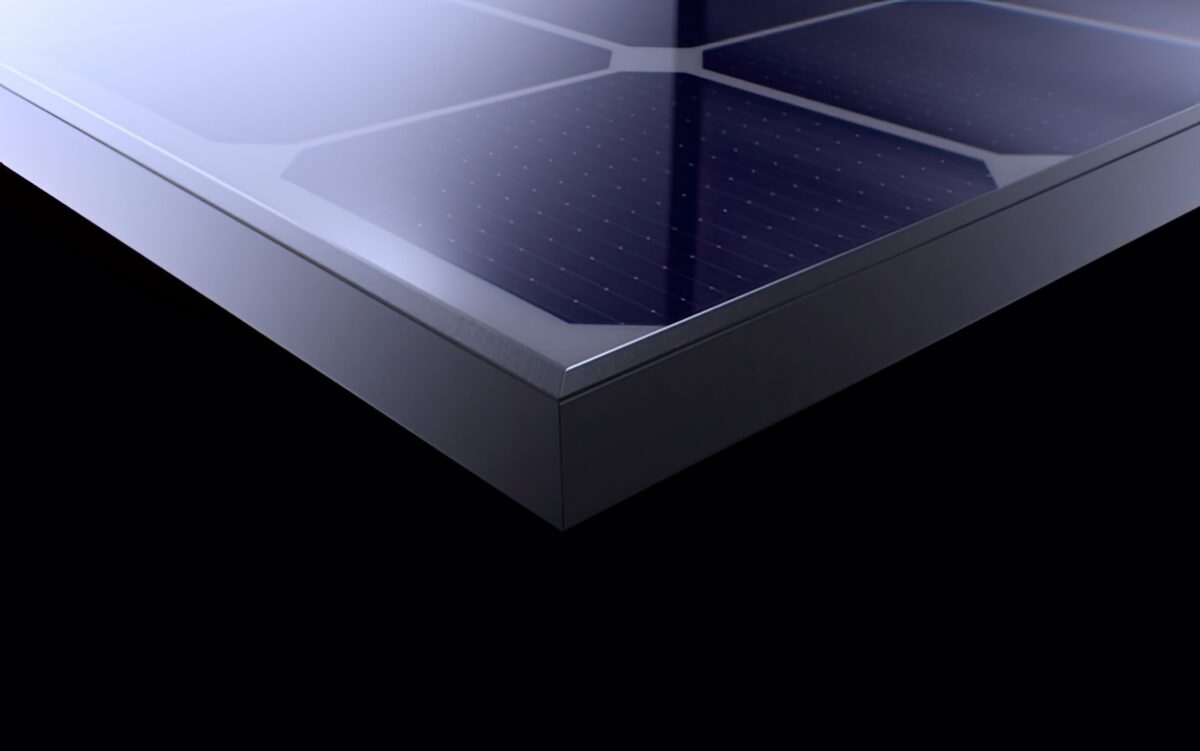
Xilia Group has introduced composite frames for solar panels made of glass fiber reinforced polyurethane. The company says the frames reduce weight, are corrosion resistant and eliminate the need for grounding.
Hong Kong-based startup Xilia Group has launched a composite solar panel frame that reportedly reduces weight by about 25% and reduces initial costs by up to 30% compared to conventional aluminum frames.
“The PV market is under enormous pressure, and the industry’s usual dependence on aluminum is exacerbating this situation,” says René Moerman, founder of Xilia. pv magazine. “By continuing to use traditional aluminum frames, the industry is following a practice that has become a hindrance rather than a leader in innovation.”
The new frame is based on TÜV-certified glass fiber reinforced polymer technology (GFRP) and is designed to resist corrosion from salt spray and ammonia. According to Nika Aliahmad, sales manager of Xilia, the material is electrically insulating, eliminating the need for grounding hardware and reducing potential induced degradation (PID). The frames are available for glass-glass, glass-backplate and lightweight module configurations.
The frames are made of glass fiber reinforced polyurethane (GF-PU), a composite material in which glass fibers are embedded in a polyurethane matrix. Production is based on a pultrusion-extrusion process.
Being a non-metallic material, GF-PU does not require grounding. Xilia said laboratory tests showed high surface and volume resistivity, a comparative tracking index (CTI) of 600 V and a limiting oxygen index (LOI) of approximately 56.7, indicating flame retardant properties. The structural design of the frame is supported by computer-aided engineering (CAE), mechanical analysis, the company added.
Under simulated wind and snow load conditions, the frames reportedly withstood 5,400 Pa (down) and 2,400 Pa (up) pressures over repeated cycles, with lower deflection at the center of the module than comparable aluminum frames. Xilia also said that the material’s linear thermal expansion coefficient closely matches that of glass, reducing thermomechanical stress on the module laminate during temperature changes.
According to the company, the frames have demonstrated resistance to moist heat, UV exposure, salt spray, ammonia and chemical corrosion, including acidic and alkaline environments. The retention of mechanical properties was verified under IEC-relevant and ASTM test conditions, Xilia said. Combined UV and moist heat aging tests reportedly showed no significant reduction in flexural strength, supporting use in coastal, agricultural, desert and industrial environments.
“The insulating properties of the composite frame have also been shown to reduce PID compared to metal frames,” Moerman said. He added that compared to aluminum frames, the GF-PU frames are approximately 25% lighter and can deliver up to an 85% reduction in carbon footprint per gigawatt of installed power.”
The frames are TÜV certified and tested for fire safety, corrosion resistance, PID and mechanical load. They are commercially classified as non-metallic and are designed to be recyclable using established mechanical and chemical recycling processes for composite materials, the manufacturer said.
This content is copyrighted and may not be reused. If you would like to collaborate with us and reuse some of our content, please contact: editors@pv-magazine.com.
